by Lorato | Mar 26, 2025 | All News, SMU Media, Student Media
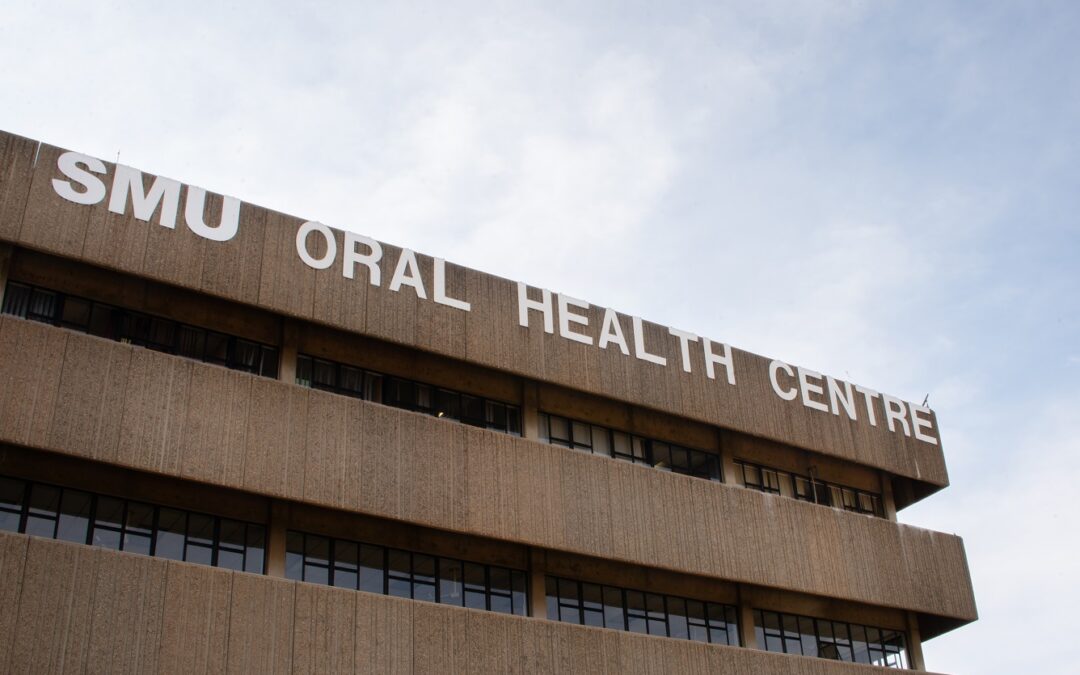
The Sefako Makgatho Health Sciences University (SMU) Oral Health Centre is a vital institution that plays a significant role in dental education, research, and service delivery within the broader healthcare community. Situated on the university campus and in the northwest of Tshwane, adjacent to the Dr George Mukhari Academic Hospital (DGMAH), the centre serves as a premier clinical training platform, offering a wide range of oral healthcare services to communities across Gauteng, Limpopo, Mpumalanga, and the North West.
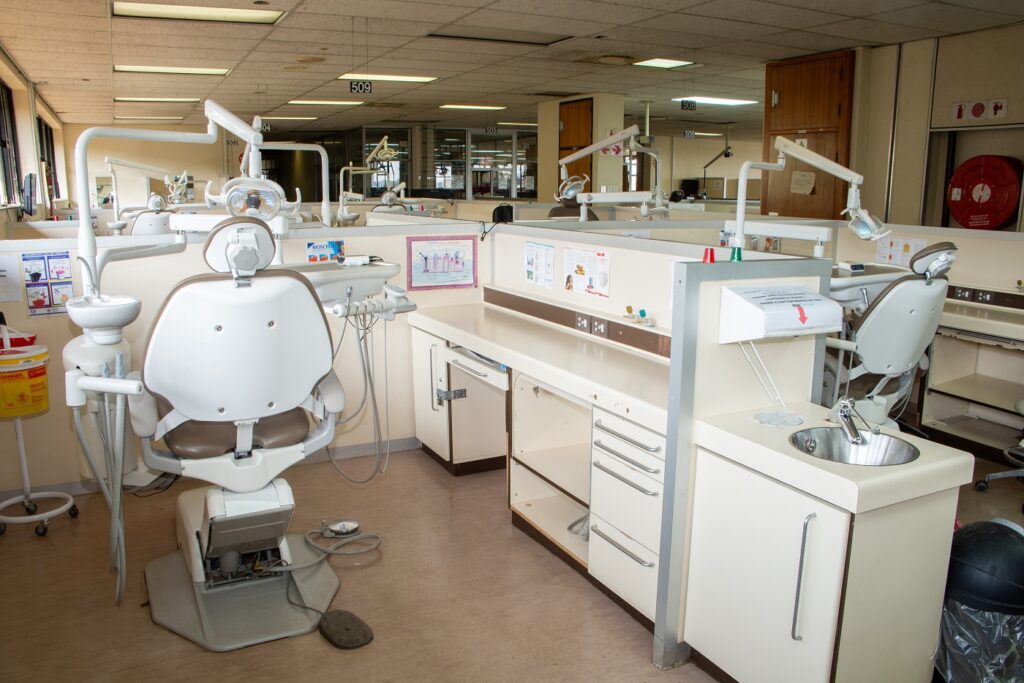 Dr Ntsakisi Mukhari-Baloyi, Acting Chief Executive Officer of SMU Oral Health Centre, highlights the facility’s longstanding commitment to dental training and public service. “The centre was conceptualised in 1975 as a training platform for dental therapists, with the current facility completed in 1984 and officially inaugurated in 1987. Over the years, it has grown to become the only facility in Gauteng that trains dentists, dental therapists, and oral hygienists under one roof,” she explains.
Equipped with 232 dental chairs, three operating theatres, and a dedicated in-house laboratory, the centre treats an average of 10,500 outpatients monthly. “We provide comprehensive services, from screening and diagnostics to advanced surgical procedures in maxillofacial, periodontal, and paediatric care,” adds Mukhari-Baloyi.
The centre continuously upgrades its equipment and facilities to remain at the forefront of dental innovation. Recent advancements include the introduction of digital diagnostic records, intra-oral cameras, CAD/CAM milling machines for prosthodontic restorations, and CBCT (Cone Beam Computerised Tomography) for three-dimensional imaging. “We are moving towards full digitisation of clinical records to improve efficiency and patient care,” Mukhari-Baloyi notes.
 Specialised services provided at the centre include Oral and Maxillofacial Pathology, Orthodontics, Prosthodontics, and Oral Medicine and Periodontology. Additionally, emergency dental care is available 24/7 through DGMAH’s casualty unit.
In line with its commitment to serving underserved communities, the centre operates on a walk-in basis and conducts outreach programmes targeting vulnerable populations. “Our teams visit elderly care homes, mental health institutions, special-needs schools, and early childhood development centres to provide essential oral health services,” says Mukhari-Baloyi. Free treatment is offered to children under six, and pregnant and lactating women, while pensioners receive subsidised care.
Community-based service-learning is an integral part of student training, ensuring that future oral health professionals gain real-world experience while making a tangible impact on public health.
The SMU Oral Health Centre is deeply invested in research that informs clinical protocols and national oral health policies. “Our faculty and students engage in cutting-edge studies, including a research project funded by the MPS Foundation on informed consent in the African setting,” Mukhari-Baloyi reveals. “We are also developing new diagnostic and therapeutic approaches to address the local burden of oral diseases.”
Collaborations with local and international research institutions further enhance the quality of research output and innovation at the centre.
Despite its successes, the centre faces challenges such as ageing infrastructure, frequent service disruptions, and shortages of dental materials. “We are actively working on solutions, including replacing old dental chairs, upgrading our water infrastructure, and collaborating with the Gauteng Department of Health (GDoH) to streamline supply chain processes,” Mukhari-Baloyi states.
Plans are also underway to expand the clinical training platform and introduce new dental specialisations in Paedodontics, Endodontics, and Radiology. “Our vision aligns with SMU’s long-term strategy to enhance oral healthcare education and service delivery,” she affirms.
Mukhari-Baloyi emphasises the importance of collective effort in sustaining the centre’s growth. “We encourage students to uphold professionalism, faculty members to continue their dedication to teaching, and external stakeholders to support us through knowledge-sharing and resource mobilisation,” she concludes.
With its commitment to excellence in education, research, and patient care, the SMU Oral Health Centre remains a cornerstone of dental health advancement in South Africa, ensuring that quality oral healthcare is accessible to all.
By Tumelo Moila

by Lorato | Feb 19, 2025 | All News, Alumni, SMU Media, Student Media
Sefako Makgatho Health Sciences University (SMU) continues to produce not only top-tier medical professionals but also changemakers who are redefining healthcare in South Africa. Among its most inspiring alumni are Dr Innocent and Dr Dikeledi Chauke, two medical pioneers whose journey from SMU classrooms to private practice exemplifies the university’s commitment to developing healthcare leaders.

More than just a love story, their success underscores SMU’s role in shaping resilient, highly skilled professionals equipped to lead in the demanding medical field. Their impact extends beyond the consulting room, as they actively contribute to South Africa’s healthcare system, proving that SMU graduates are at the forefront of addressing the country’s medical challenges.
SMU has long been recognised as an institution that nurtures both academic and professional success. For the Chaukes, it was at SMU that they built the foundation of their careers—gaining not only the theoretical knowledge required for medical excellence but also the practical skills, resilience, and leadership qualities necessary to thrive in South Africa’s evolving healthcare landscape.
Their journey began within the university’s corridors, balancing the pressures of medical school while developing a shared vision for the future. “Medicine was always more than just a degree—it was our calling. SMU equipped us with the tools we needed to serve communities in need and build a future where quality healthcare is accessible,” says Dr Innocent Chauke.
The couple’s academic journey was rigorous, marked by long hours of study and clinical rotations, but SMU provided them with an environment that fostered both personal and professional growth. “We were held to high standards, expected to think critically and to be ready for real-world medical challenges. Those experiences prepared us for everything that followed,” adds Dr Dikeledi Chauke.
Serving communities, changing lives
After graduating, the Chaukes embarked on careers that placed them at the heart of community healthcare. Their medical internships and community service years saw them stationed in rural hospitals, where they encountered first-hand the realities of South Africa’s healthcare system.
“Our time in community hospitals was eye-opening. It highlighted the disparities in healthcare access and deepened our commitment to patient-centred medicine,” Dr Dikeledi reflects. The lessons learned during this time influenced their decision to open a private practice in Mamelodi East, where they now provide essential medical services to underserved communities.
From general consultations and chronic disease management to minor surgical procedures, their practice embodies the principles instilled at SMU—a commitment to service, excellence in medical care, and an unwavering focus on patient well-being.
However, their journey has not been without challenges. A recent armed robbery at their practice was a stark reminder of the risks associated with healthcare entrepreneurship. “Despite setbacks, we remain committed to our vision. The need for accessible private healthcare is too great for us to back down,” says Innocent.
The Chaukes are not content with simply running a private practice—they are working towards a larger vision. Their goal is to expand their operations into a network of technologically advanced medical centres that will bring affordable, high-quality healthcare to more South Africans.
“Our long-term vision is to merge technology with medicine, ensuring that even those in underserved areas have access to the best possible care,” explains Dikeledi. This ambitious plan aligns with SMU’s ethos of producing medical professionals who not only succeed in their fields but also innovate and lead systemic change.
Their success is a testament that SMU alumni are not just entering the workforce—they are shaping industries, solving real-world problems, and driving progress in healthcare.
The Chaukes’ story is one of dedication, resilience, and visionary leadership. It is also highlights SMU’s unwavering commitment to developing professionals who are equipped to make a difference. As the university continues to cultivate top medical minds, it cements its status as a premier institution for health sciences education in Africa.
At SMU, students are not just taught—they are empowered to lead. And as the Chaukes continue to grow their impact in the medical field, they stand as a shining example of the calibre of professionals SMU produces—leaders who are not only skilled in medicine but driven by a purpose greater than themselves.
By Tumelo Moila

by Lorato | Feb 19, 2025 | Accolades and Achievements, All News, Alumni, SMU Media, Student Media
Sefako Makgatho Health Sciences University (SMU) reaffirmed its status as a premier institution in health sciences education by honouring academic and professional excellence at its prestigious Vice-Chancellor Excellence Awards ceremony. Held at The Maslow, Time Square Hotel in Menlyn, Pretoria, the event, themed “Celebrating Excellence in a Digital Era,” recognised outstanding individuals and teams driving innovation, research, teaching, and community engagement—further cementing SMU’s reputation as a leader in transformative education.
 Beyond recognising individual achievements, the ceremony underscored SMU’s unwavering commitment to excellence, relevance, integrity, equity, ubuntu, and professionalism—core values that continue to shape the institution’s impact in South Africa and beyond.
Delivering a powerful opening address, Acting Vice-Chancellor Professor Tandi Matsha-Erasmus highlighted the pivotal role of innovation in positioning SMU as a 21st-century institution. “In this digital era, our ability to innovate, engage, and support our community depends on our unwavering commitment to excellence. Tonight, we honour the exceptional individuals who embody these values and drive SMU forward,” she stated, reinforcing the university’s role as a catalyst for change in health sciences.
Among the evening’s top accolades was the Excellence in Community Engagement Award 2024, presented to Jackson Mahlaba and his team for their groundbreaking Vaccination Catch-Up Campaign. Their efforts to bridge healthcare gaps in underserved communities exemplified SMU’s mission to integrate world-class education with meaningful societal impact. “This award belongs to every team member who worked tirelessly to bring health services to those who needed them most. It is a testament to the power of collaboration and dedication,” said Mahlaba, emphasising the spirit of ubuntu that underpins SMU’s commitment to public health.
Setting new standards in administration and support
SMU’s excellence extends beyond academia and research to a culture of exceptional service and leadership. The Administration and Support Category highlighted professionals who ensure the university’s operational efficiency matches its academic prestige.
- Elisa Segaile received the Exemplary Client-Centric Behaviour Award, setting a high benchmark for student and staff service.
- Theo Bhengu was recognised for Outstanding Leadership & Professionalism, a reflection of SMU’s commitment to fostering visionary leaders within its ranks.
- Mpho Mmako earned two accolades—the Collaboration and Teamwork Award and Best Support Employee Award—demonstrating the value of collective success.
- Busisiwe Sijora was named Best Administration Employee, a recognition of her dedication to operational excellence.
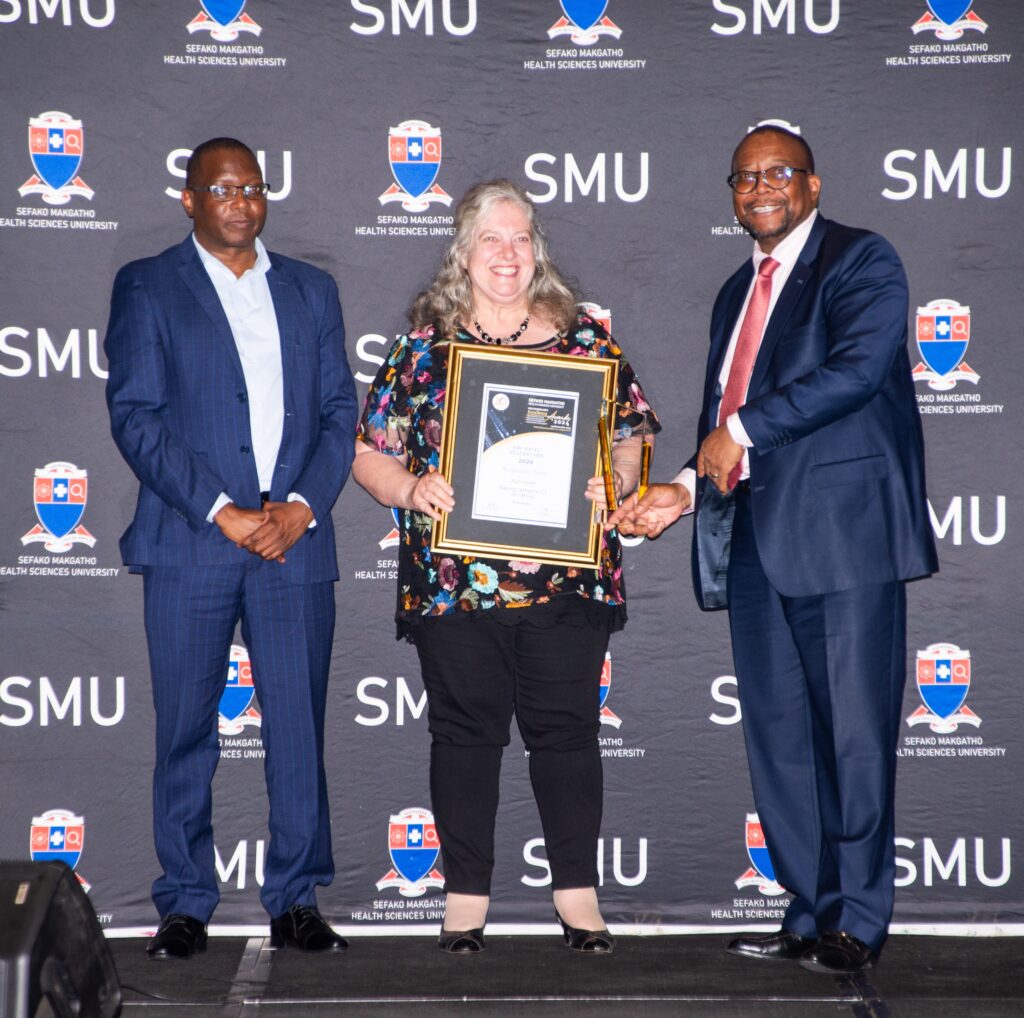 A university positioned for global competitiveness
The 2024 Vice-Chancellor Excellence Awards ceremony was more than just an evening of recognition; it was a bold statement of the university’s trajectory in a digital world. By fostering cutting-edge research, impactful community engagement, and excellence in administration, SMU continues to establish itself as a globally competitive institution that not only educates future health professionals but actively contributes to shaping South Africa’s healthcare landscape.
The Teaching & Learning Awards recognised:
- “Beginner” Teaching Excellence Award: Dr Sabashnee Govender-Davies
- “Experienced” Teaching Excellence Award: Dr Kebiditswe Masike
Several impactful projects were honoured:
- Project: Vaccination Catch-up Campaign (School of Pharmacy) – Group Leader: Jackson Mahalaba
- Project: Korwee Multipurpose Centre (School of Dentistry) – Group Leader: Emma Musekene
- Project: Creating a Healthy School through Physical Education at a School in Mapobane, Gauteng (School of Health Care Sciences) – Group Leader: Ntombenkosi Sobantu
- Project: Mathematics Career Fair (School of Science & Technology) – Group Leader: Joseph Fatlane
- Project: Child Health in the Community (School of Medicine) – Group Leader: Debbie Barnard
SMU’s leadership in Research and Innovation was recognised through the following awards:
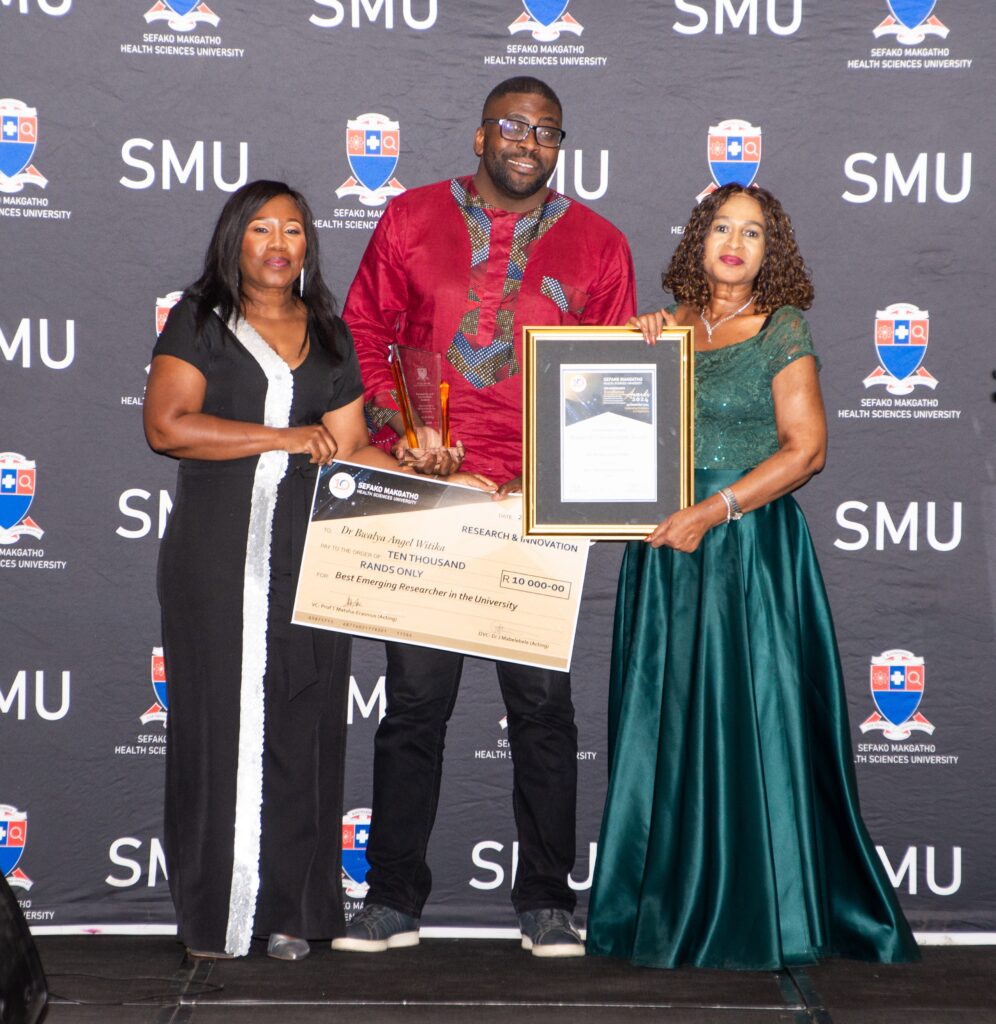
- Best Emerging Researcher: Dr Bwalya Witika
- Best Overall Female Researcher: Prof Hannelie Meyer
- Best Overall Research Supervisor: Prof Moliehi Matlala
- Best Established Researcher in the School of Health Care Sciences: Prof Mathilda Mpata Mokgatle
- Best Established Researcher in the University: Prof Hannelie Meyer
NRF Rated Research Recognition Awards
- Rating Category: C2: Dr X Siwe-Noundou
- Rating Category: C2 (re-rating): Prof A Oettlé
- Rating Category: Y2: Dr LO Jolaoso
- Rating Category: Y2: Dr V Thibane
- Rating Category: C3: Dr G Ugwunnadi
- Rating Category: C2: Prof Mathilda Mpata Mokgatle
- Rating Category: Y2: Dr Bwalya Witika
The awards ceremony was a proud moment for SMU, showcasing the university’s dedication to fostering academic and professional excellence. Matsha-Erasmus closed the event with a heartfelt message to the awardees: “Tonight, we celebrate not just individual achievements but the collective progress of our university and its profound impact on society.”
SMU continues to be a beacon of excellence in health sciences education, shaping future leaders and driving transformative change.
By Dimakatso Modise

by Lorato | Feb 14, 2025 | All News, SMU Media, Student Media
For the past decade, Sefako Makgatho Health Sciences University (SMU) has been at the forefront of medical and health sciences research, driving transformational change in healthcare, disease prevention, and scientific innovation. In an era where public health challenges demand urgent solutions, SMU has consistently delivered research with tangible societal impact, addressing issues from cancer diagnostics to environmental health risks, pharmaceutical advancements, and chronic disease management.
 As South Africa’s premier institution for health sciences, SMU’s research legacy is not just academic—it is shaping healthcare policies, influencing clinical practices, and improving lives across the nation.
Innovations in pharmaceuticals and public health interventions
In 2024, SMU researchers pioneered a game-changing breakthrough with the development of a child-friendly anti-infective gummy formulation—a revolutionary step in paediatric medicine aimed at improving medication adherence in children. Published in Drug Delivery and Translational Research, this innovation has the potential to reduce treatment resistance and improve health outcomes in underserved communities where adherence to traditional liquid and tablet medications remains a challenge.
Furthering its impact in oncological research, SMU researchers conducted a landmark study on prostate cancer diagnosis, comparing 68Ga-PSMA PET/CT imaging with 99mTc-MAG3 renography. Published in Diagnostics, this research enhances diagnostic precision and treatment strategies, bringing hope to thousands of men suffering from metastatic castration-resistant prostate cancer.
SMU’s public health researchers have also tackled health inequalities, particularly within marginalised communities. A 2023 study on mental health and healthcare access for men who have sex with men (MSM), published in the International Journal of Innovative Research and Scientific Studies, identified critical barriers to mental healthcare. The findings have provided evidence-based recommendations for addressing the mental health crisis within this vulnerable group, prompting urgent calls for inclusive healthcare strategies.
Pioneering environmental and epidemiological research
SMU has played a critical role in advancing environmental health research, exposing the devastating impact of pollution on South African communities. In 2020, SMU’s environmental scientists uncovered alarming levels of heavy metal accumulation in freshwater fish species from the uMgeni River. Published in Environmental Pollutants and Bioavailability, this study raised national awareness of environmental contamination, pressing policymakers to tighten water quality regulations and mitigate public health risks.
SMU’s work in infectious disease modelling has also broken new ground. In 2021, a study in the Alexandria Engineering Journal introduced a fractal–fractional order non-linear re-infection model, offering unprecedented insights into epidemic forecasting. This research has become a critical tool for disease control, allowing health experts to predict outbreaks and implement early intervention strategies.
Transforming medical training through research and data-driven insights
SMU does not only conduct research—it ensures that its findings translate into impactful education and medical training. A 2022 study in Pharmacy Practice examined career trajectories of pharmacy graduates, providing groundbreaking insights into the evolving pharmaceutical industry. The findings have shaped SMU’s curriculum development, ensuring students are equipped with skills that align with real-world industry demands.
Similarly, a 2019 study on the mathematical modelling of physiological fluid dynamics, published in Mathematical and Computational Applications, introduced a new method for solving the Boussinesq equation. This research has revolutionised medical simulations and biological system modelling, providing medical students and professionals with enhanced diagnostic tools.
SMU’s dedication to healthcare innovation extends beyond mathematical models and laboratory findings. In 2016, its public health researchers quantified the burden of air pollution on urban communities. Published in Environmental Health Perspectives, the study directly influenced national air quality policies, prompting action to mitigate respiratory illnesses and pollution-related health risks.
A legacy of excellence in health sciences research
SMU’s research achievements extend back a decade, with pioneering work in chronic disease management, neuroscience, and early childhood interventions. A 2015 study in The South African Medical Journal provided critical insights into hypertension in rural communities, influencing targeted healthcare interventions for better disease prevention and management.
In 2014, SMU’s nursing research advanced nurse-led interventions in chronic disease management, underscoring the vital role of nurses in strengthening South Africa’s primary healthcare system. That same year, a study on early childhood language disorders, published in The South African Journal of Communication Disorders, established evidence-based strategies for diagnosing and treating language delays, reinforcing the importance of early intervention in childhood development.
These milestones are not just academic victories—they have influenced national healthcare policies, transformed patient care, and improved medical education.
SMU is not merely a university—it is an institution shaping the future of healthcare. Through groundbreaking medical research, environmental studies, and public health initiatives, the university is solving real-world health challenges and producing globally competitive healthcare professionals.
The institution’s commitment to scientific innovation, research integrity, and community impact has cemented its reputation as a leader in health sciences. With each new study, each breakthrough, and each innovation, SMU is pushing the boundaries of medical science, improving lives, and redefining healthcare in South Africa and beyond.
As the university continues its relentless pursuit of excellence, one thing is clear—SMU’s research is not just changing academic discourse; it is changing the world.
By Dimakatso Modise

by Lorato | Feb 13, 2025 | All News, SMU Media, Student Media
Sefako Makgatho Health Sciences University (SMU) is at the forefront of a revolutionary shift in medical education, equipping future healthcare professionals with the skills needed to navigate an increasingly complex and evolving healthcare landscape. Through its Practice of Medicine (POME) curriculum, the university has embraced Inquiry-Based Learning and Teaching (IBLT)—a dynamic educational model that fosters critical thinking, clinical reasoning, and self-directed learning. This progressive approach sets SMU apart as a leader in medical pedagogy, ensuring that its graduates are not only competent but also innovative and ethically grounded professionals.
 Inquiry-based learning: Redefining medical training
SMU’s adoption of IBLT moves away from traditional passive learning models, instead empowering students to take an active role in their education. This method, rooted in the philosophies of John Dewey and Jerome Bruner, encourages problem-solving and analytical thinking from the very first year. Gerda Botha, a medical education expert, emphasises that the success of IBLT hinges on facilitators guiding students rather than merely transferring knowledge, thereby fostering a culture of independent inquiry.
This model progressively shifts students from structured, guided learning to open, self-directed research, ensuring they develop the ability to critically evaluate information and adapt to real-world clinical settings. By the time students reach their third year, they are formulating well-structured research proposals, securing ethics clearance, and producing work suitable for publication—a testament to the curriculum’s emphasis on research excellence. Many SMU students have already had their research published in renowned journals such as the South African Family Practice and the Undergraduate Research in Health Journal.
At SMU, Evidence-Based Medicine (EBM) is seamlessly woven into the curriculum, equipping students with the skills needed to critique and apply medical research in clinical settings. Dr Kamelia Nashed and Dr Christian Saidiya, who oversee the integration of research methodologies, highlight how students progress from learning basic epidemiology and study design in their first year to applying EBM principles to real-world patient scenarios by their final years.
 According to Nashed, by the second year, students gain a sophisticated understanding of research methodologies, hierarchy of evidence, and proposal development. By the time they transition into their third year, they are expected to independently critically appraise research articles and apply their findings to clinical decision-making—a skillset that will define them as competent and research-savvy medical professionals.
SMU understands that competent medical practice is as much about ethical integrity as it is about clinical skill. Led by Professor Adegoke Adefolalu and Dr Nokufa Mnguni, the university’s ethics curriculum runs as a “golden thread” throughout the entire medical programme. From the first year, students engage with theoretical principles of medical ethics, later applying them in real-world clinical settings such as HIV patient care and service-learning initiatives.
Mnguni highlights how early exposure to real patients and multidisciplinary healthcare teams enhances students’ ethical reasoning, communication skills, and empathy. By embedding ethics into every stage of training, SMU ensures that its graduates uphold the highest moral standards in their medical practice.
Interdisciplinary collaboration: Training holistic healthcare professionals
Recognising the need for collaborative healthcare delivery, SMU places a strong emphasis on Interprofessional Education and Collaborative Practice (IPECP). Dr Nomsa Mogosetsi and Dr Suzan Nnanile Nyalunga highlight how the first-year medical module introduces students to various medical disciplines, fostering an appreciation for the interconnected nature of healthcare professions.
Through interactive workshops, role-plays, and problem-solving exercises, students engage in discussions around diversity, inclusivity, and healthcare disparities. This immersive learning approach encourages future doctors to understand the social determinants of health and develop cultural competence—an essential skill in South Africa’s diverse healthcare landscape.
SMU ensures that clinical reasoning is at the core of medical training. Dr Angelina Ulzen, an expert in this domain, describes clinical reasoning as the logical thread that ties together all teaching modules, guiding students towards sound diagnosis and management decisions.
By the third year, students are actively contributing to clinical discussions and diagnostic problem-solving, applying their knowledge of anatomy, physiology, and pathology in real-world healthcare settings. This approach bridges the gap between theory and practice, ensuring that SMU graduates emerge as competent and confident healthcare practitioners.
SMU recognises the importance of One Health, a multidisciplinary approach that connects human, animal, and environmental health. Introduced in the second year and expanded in the third year, this concept encourages students to consider the global impact of climate change, zoonotic diseases, and food security.
Adefolalu notes that by the end of their third year, students present their understanding of One Health concepts in peer-assisted learning sessions, where they propose solutions to pressing public health challenges. These collaborative projects refine students’ problem-solving skills, equipping them with the competence to address future health crises.
SMU’s vision for the future of medical education
The integration of Inquiry-Based Learning, ethical training, and interdisciplinary collaboration into the POME curriculum at SMU is reshaping the landscape of medical education. By fostering critical thinking, research excellence, and hands-on clinical reasoning, the university is ensuring that its graduates are not only skilled practitioners but also leaders in the field of healthcare innovation.
While the effectiveness of IBLT has been widely studied in high-income countries, there is limited research on its impact in Low- and Middle-Income Countries (LMICs), particularly in Sub-Saharan Africa. Given its fully mapped undergraduate health professions curriculum, SMU is uniquely positioned to lead global research efforts on the application of IBLT in LMICs.
By embedding research, ethics, and interdisciplinary training at the core of its medical programme, SMU is not only preparing students to meet the healthcare challenges of today but is also equipping them to shape the future of medicine in Africa and beyond.
By Tumelo Moila