by Lorato | Apr 23, 2026 | All News, Alumni, SMU Media, Student Media
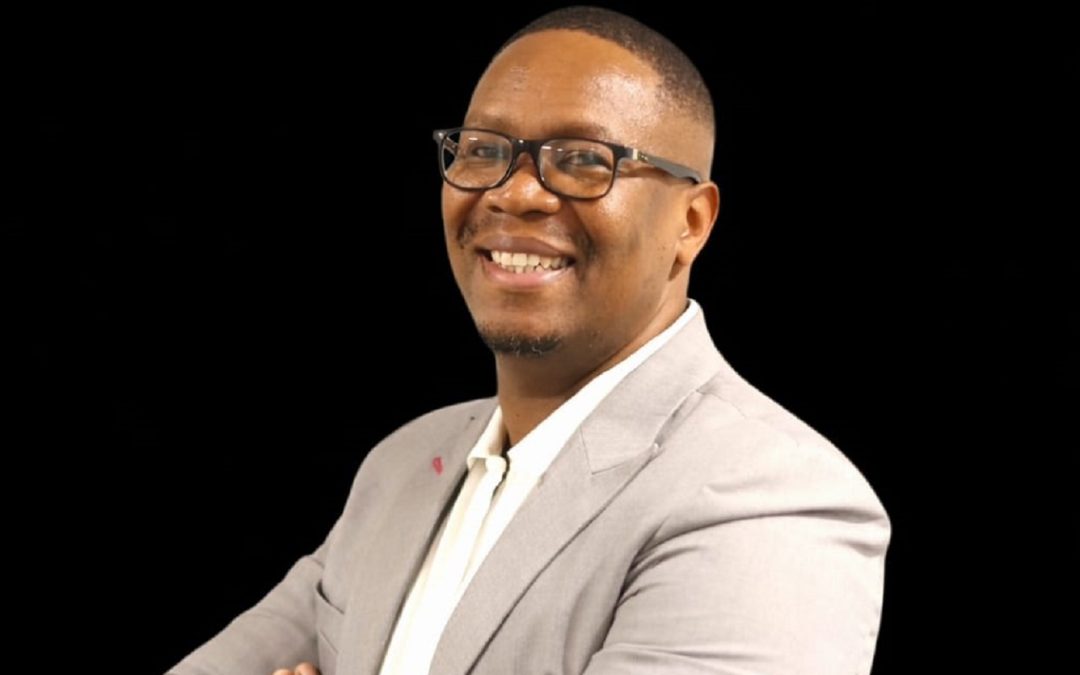
Sefako Makgatho Health Sciences University (SMU), formerly the Medical University of Southern Africa (MEDUNSA), continues to produce graduates who shape health systems far beyond South Africa’s borders. Among them is Dr Luvuyo Bayeni, an alumnus whose journey from clinical medicine to continental health leadership reflects the evolving role of doctors in strengthening public health systems across Africa.
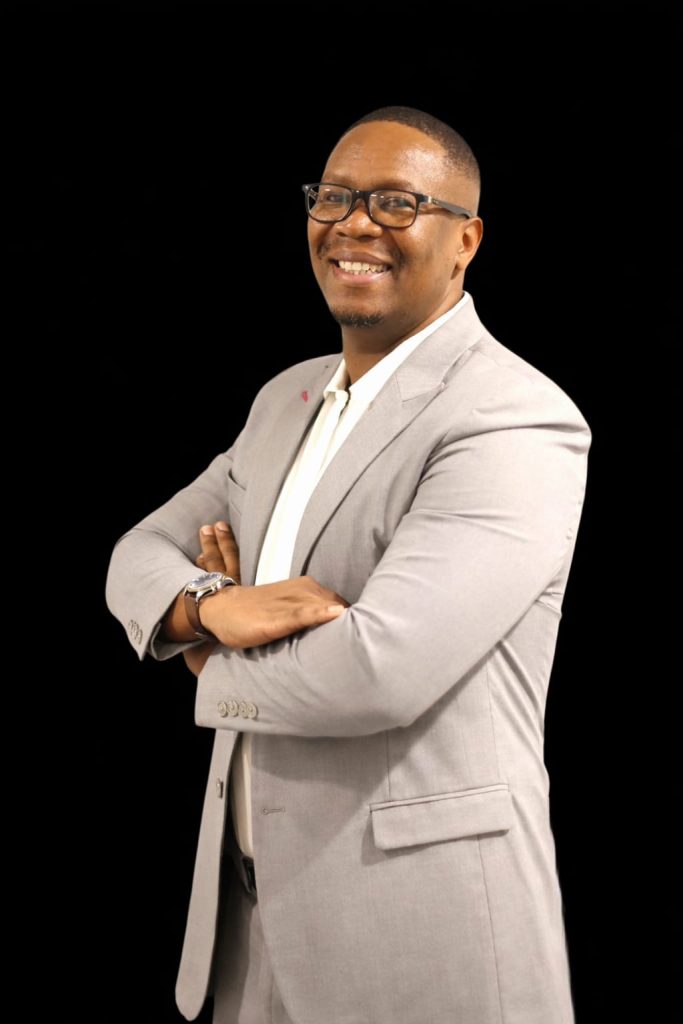 Dr Bayeni, who holds an MBChB from SMU and an MBA from Nelson Mandela University, has built a career that bridges frontline clinical care and strategic health governance. He currently serves as Chief Director for Human Resources for Health at South Africa’s National Department of Health, where he leads national workforce planning and policy development aimed at strengthening the resilience of the health system.
Speaking about his professional journey, Dr Bayeni reflects on the shift from clinical practice to systems leadership: “Medicine taught me to treat individuals, but leadership has taught me to treat systems. If we fix the system, we improve care for millions, not just one patient at a time.”
With over 21 years of experience, his career has spanned Obstetrics and Sexual and Reproductive Health, district health management, and senior executive roles, including Acting Chief Executive Officer, Clinical Manager for Surgery, and District Health Manager. His reputation for operational turnaround in challenging environments, particularly in the Eastern Cape, earned him the informal title “Dr Fix It”.
Dr Bayeni’s leadership foundation was shaped early during his time at SMU, where he was deeply involved in student governance. He served in multiple leadership roles, including four terms in the Student Representative Council and positions within SASCO and other student structures. These experiences, he says, were formative in understanding accountability and advocacy.
“Student leadership was my first exposure to governance. It taught me that leadership is not about position, but about responsibility to others,” he explains.
Beyond national government, Dr Bayeni extends his influence through DrB Talks, a platform he founded to drive conversations on health systems, leadership, and community development. The platform has featured discussions across media outlets, including Sowetan and TruFM, aiming to connect policy with public understanding.
At the continental level, he serves as Co-Chair of the Governance and Leadership Subcommittee of the African Union Health Workforce Task Team, contributing to efforts aimed at strengthening health workforce systems across member states. He is also a Fellow of the Africa Leadership Initiative, recognising his contribution to ethical and transformative leadership.
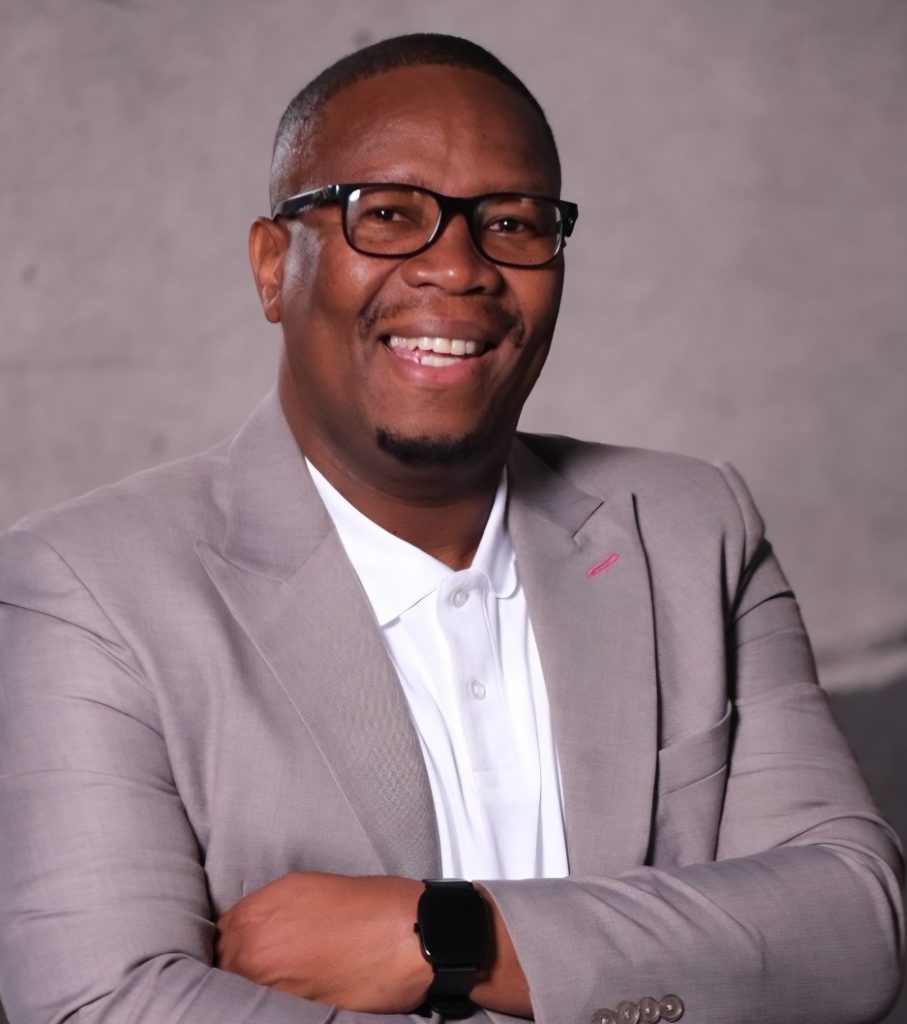 Reflecting on Africa’s health challenges, Dr Bayeni emphasises the need for collaboration and long-term thinking: “Africa’s health systems will not be strengthened by isolated interventions. We need coordinated leadership, investment in people, and sustained commitment to reform.”
In addition, he serves on governance structures, including the Board of Boxing South Africa and the Medical and Dental Board of the Health Professions Council of South Africa, contributing to regulatory oversight and professional standards.
Dr Bayeni’s journey illustrates a broader shift in health professions: the transition from individual clinical excellence to systemic leadership. His work demonstrates how clinicians can shape policy, governance, and workforce development at national and continental levels.
His story also reflects the enduring role of SMU in producing health professionals who are not only clinically competent but also equipped for leadership in complex systems. The university’s commitment to excellence, accountability, and innovation continues to be evident in the impact of its alumni across Africa’s health landscape.
Ultimately, Dr Bayeni’s career stands as a testament to the power of combining clinical expertise with visionary leadership. From hospital wards to national policy and African Union platforms, his work continues to advance the goal of equitable and resilient healthcare systems.
SMU remains central to this narrative, reinforcing its mission of transforming health sciences education and contributing meaningfully to the health and well-being of communities in South Africa and beyond.
By Dimakatso Modise
by Lorato | Mar 5, 2026 | Accolades and Achievements, All News, Alumni, SMU Media, Student Media
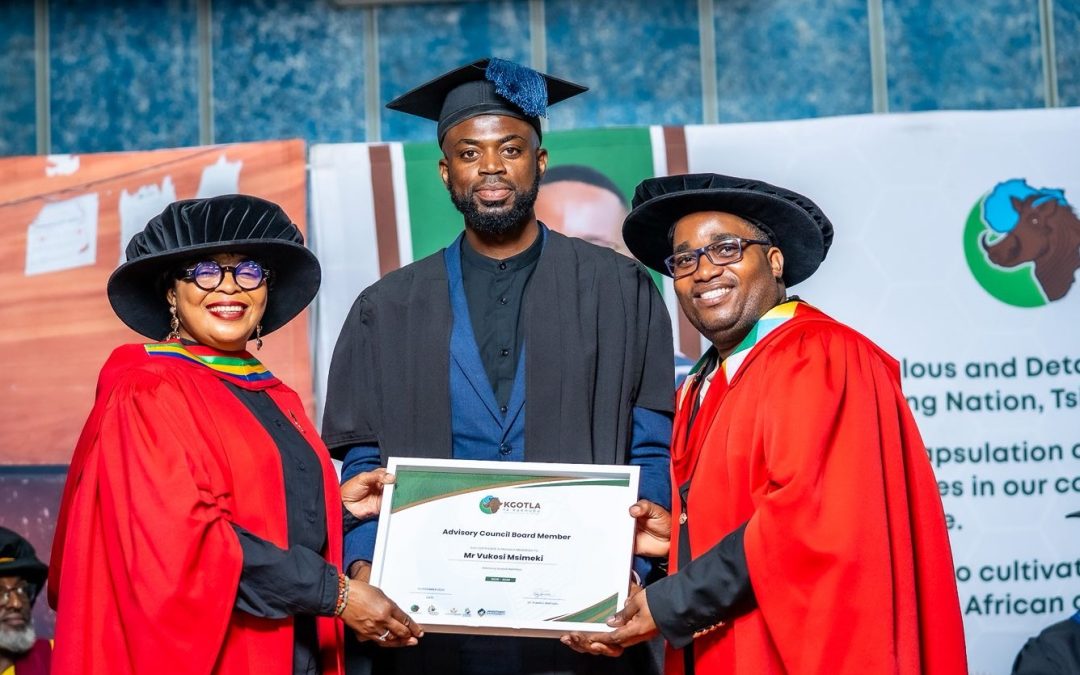
If you want to change a profession, step into the room where standards are set. SMU alumnus, public health specialist and dietitian Vukosi (Richardson) Msimeki has done exactly that. He has been appointed to the Professional Board for Dietetics and Nutrition under the Health Professions Council of South Africa (HPCSA) for the 2025–2030 term — a body tasked with safeguarding professional, ethical and educational standards for dietetics and nutrition across South Africa.
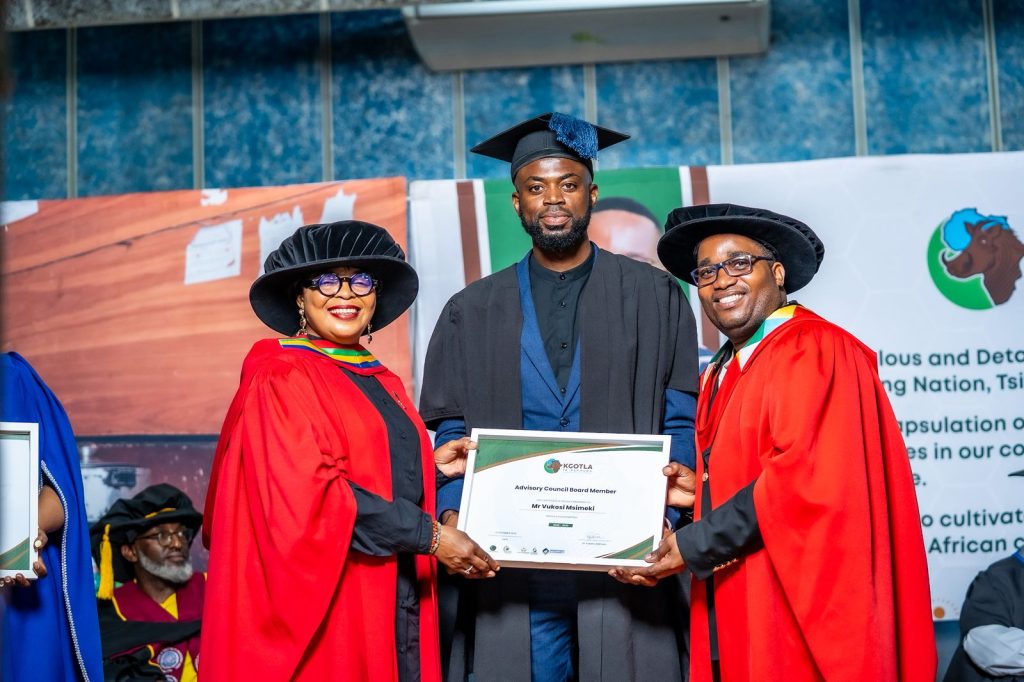 His appointment places him among ten members entrusted with overseeing education, training, registration and professional conduct in terms of the Health Professions Act. The Board executes its regulatory mandate on behalf of the HPCSA, ensuring that practitioners meet rigorous standards in a sector critical to public health.
Msimeki, who holds a PGDip and a Master of Public Health from Sefako Makgatho Health Sciences University (SMU) and is completing PGDip in Health Leadership from University of Cape Town, brings more than 12 years’ experience spanning district, regional and tertiary healthcare levels. He currently serves as Deputy Director for Clinical Support and Therapeutic Services (Allied Health Services) at Job Shimankana Tabane Hospital in the North West province, where he also holds the position of Chief Dietitian. “This is about protecting the public and strengthening the profession,” Msimeki said. “We cannot speak about health equity without fixing how we regulate, train and support nutrition professionals.”
His career reflects a deliberate climb through the public health system — from community service dietitian to assistant director and head of department. He has worked in Limpopo and North West, supervised university students, served as an external examiner, and contributed to national malnutrition programmes. Yet his focus extends beyond hospital walls.
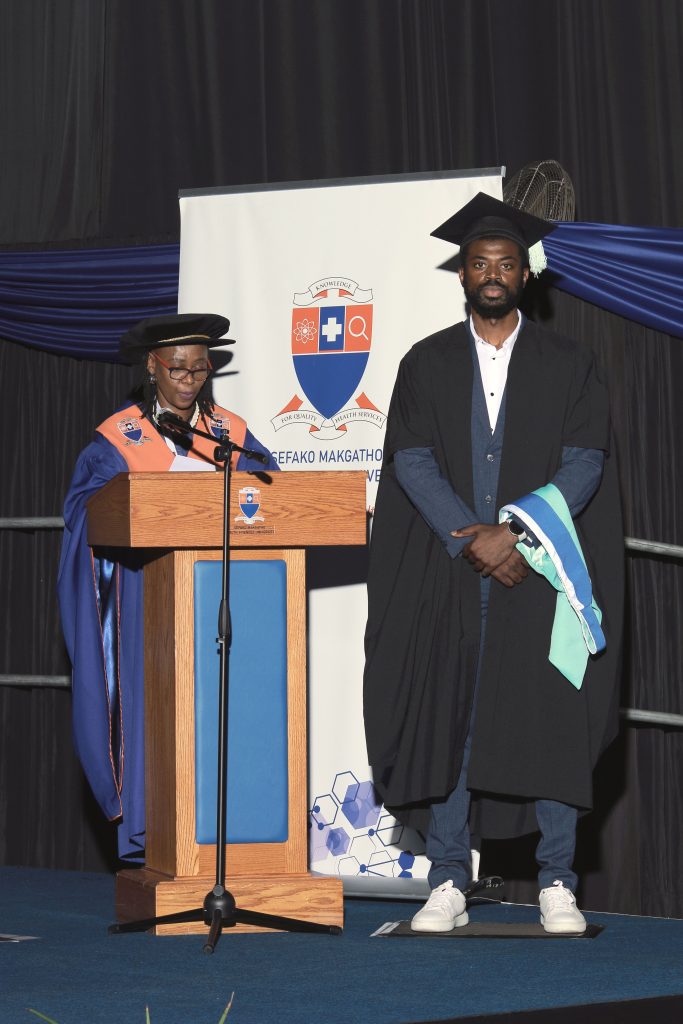 “Eighty-five per cent of our communities rely on public health services,” he said. “At the same time, more than half of health professionals are in private practice, while funding is almost evenly split between public and private sectors. That imbalance leaves the public system overburdened. We must allocate resources more intelligently and lead ethically.”
In Rustenburg, Msimeki is driving the establishment of a district forum for Clinical Support and Therapeutic Services — a structure designed to extend services to hospitals that currently lack them. The long-term plan is provincial expansion to underserved areas.
Alongside his public service career, he is the founder and Chief Executive of Msimeki Group (Pty) Ltd, a diversified company operating in health services, property and logistics. He also serves on multiple boards, including as a non-executive director at Strategic Partners Group, as a board member of the South African Red Cross Society (SARCS), and as a Senior Advisory Council Member of OOKKR Entities (Office of Kgosana Koketso Rakhudu).
A long-standing leader within the Black Management Forum (BMF) in the North West, Msimeki advocates what he calls “managerial leadership”. “Policy without leadership collapses organisations,” he said. “Managers must lead. Leaders must take accountability. That is how institutions thrive.”
For Msimeki, the mandate is clear: raise standards, close gaps and ensure that nutrition — often overlooked — remains central to South Africa’s health agenda. “Nutrition is not optional,” he said. “It is foundational. If we get it right, we change lives.”
By Tumelo Moila
by Lorato | Dec 12, 2025 | All News, Alumni, SMU Media, Student Media
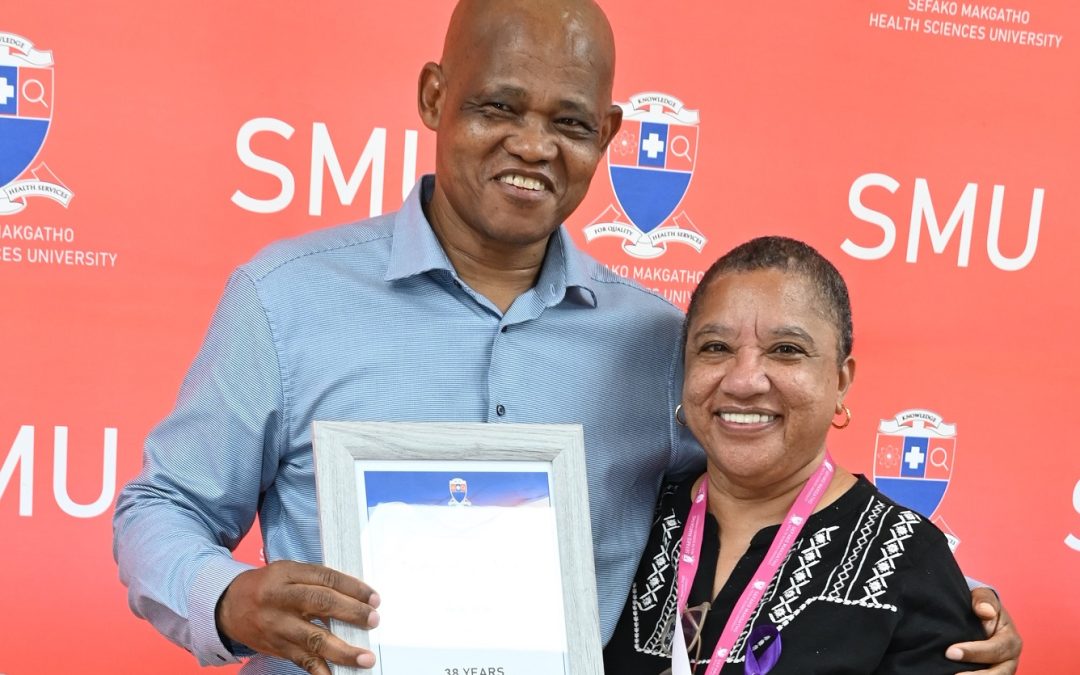
Jacob Monedi Lekabe’s distinguished journey from the humble streets of Thlabane Township, Rustenburg, to becoming a pillar of medical science and labour leadership at Sefako Makgatho Health Sciences University (SMU) epitomises dedication, intellectual rigour, and unwavering commitment to service. Reflecting on his early years, he recalls, “I grew up understanding the value of hard work and perseverance. My high school years at Rauwane Sepeng shaped my discipline and determination, and matriculating in 1979 was just the start of a lifelong journey of learning and service.”
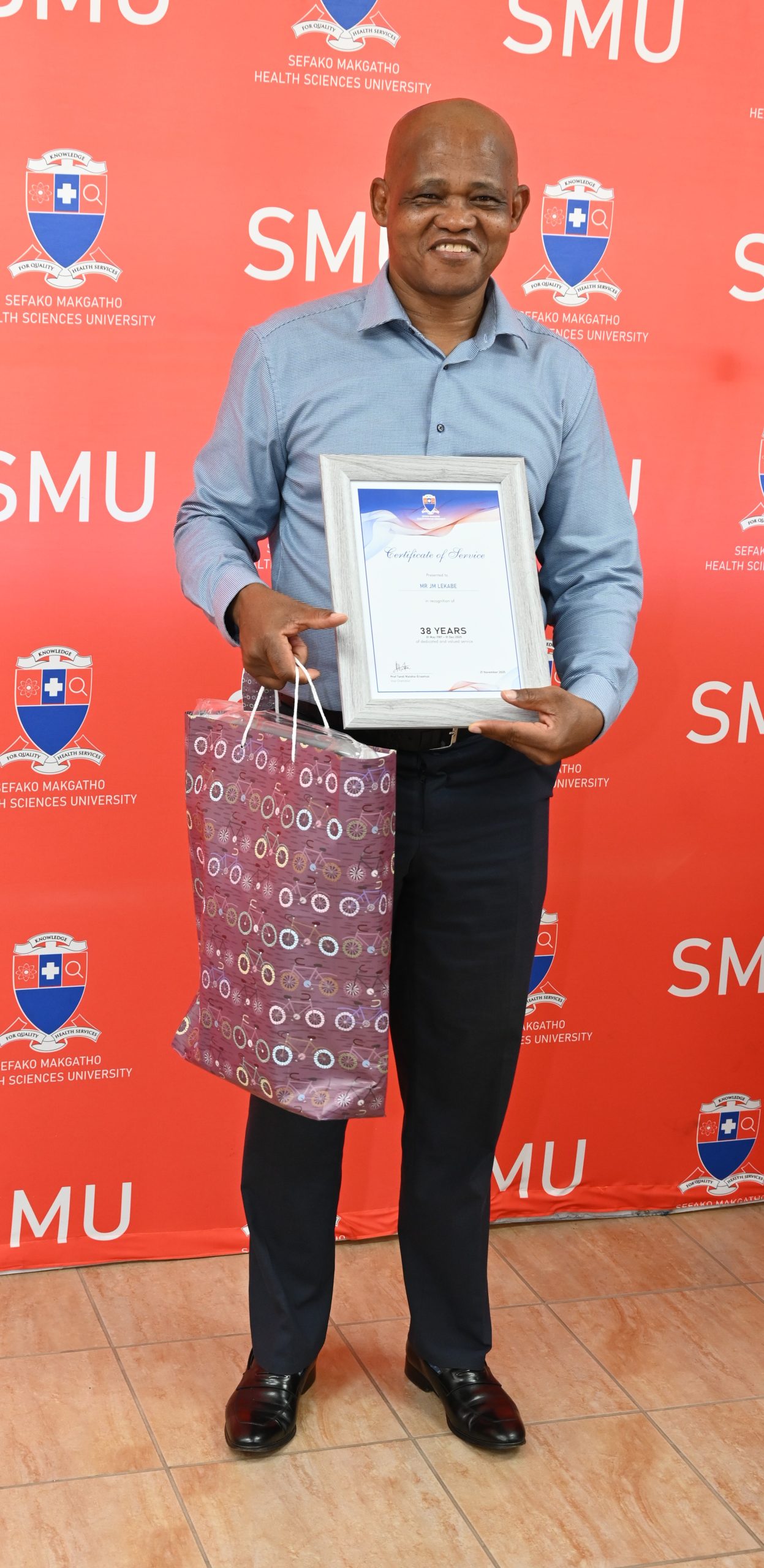 His professional odyssey began in earnest in May 1987 when he joined the then Medical University of South Africa (Medunsa) as a Medical Technologist in the Department of Haematological Pathology. Prior to this appointment, he trained extensively in Clinical Pathology, Microbiology, and Immunology—foundational expertise that would define his contributions to medical science over the next four decades. “Joining Medunsa was a dream come true,” he says. “The University gave me opportunities to grow professionally and academically, which I could not have imagined at the time.”
Over nearly forty years, Lekabe has cultivated a reputation for scientific excellence, mentorship, and leadership. Balancing full-time work with advanced studies, he completed his Bachelor of Science in 1994 and later a BSc Honours in Medical Sciences, specialising in Haematological Pathology, in 2012. “These academic milestones were crucial in enhancing my ability to contribute effectively to both clinical work and research,” he reflects.
One of the defining chapters of his career was his integral role in SMU’s Kidney Transplant Programme, where he performed Human Leucocyte Antigen (HLA) testing, immunological assessments, and related research between 1985 and 2005. “It was an intense and rewarding period,” Lekabe notes. “Knowing that our work directly influenced patient outcomes—and in many cases offered a renewed chance at life—was profoundly fulfilling.”
Beyond his scientific contributions, Lekabe has been an extraordinary mentor, guiding Intern Medical Scientists, Registrars, and BSc Honours students, particularly in quality assurance in medical laboratories. “Training the next generation of medical scientists was always close to my heart,” he says. “Seeing students grow in confidence and competence, and eventually become leaders themselves, is one of the most rewarding aspects of my career.”
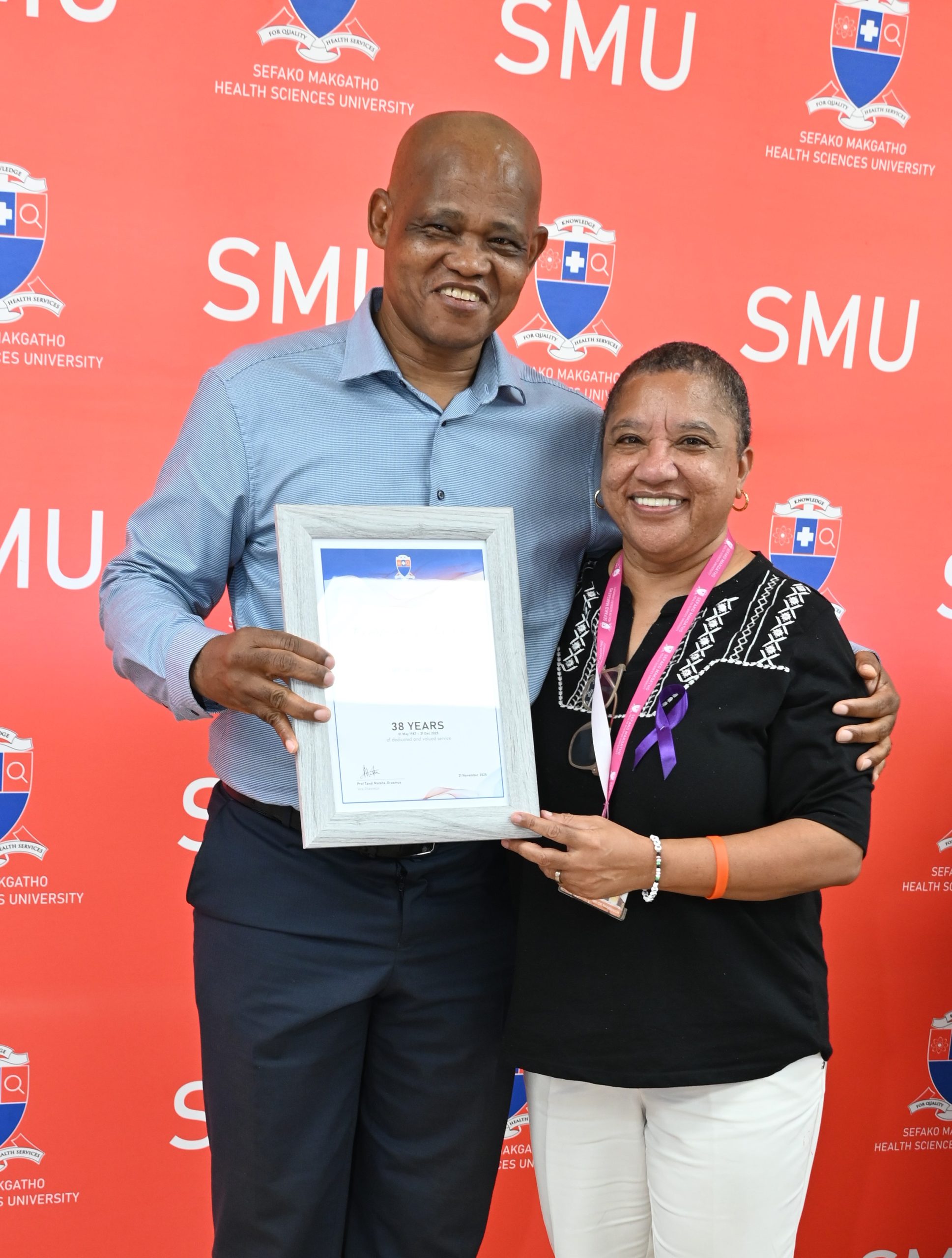 Parallel to his scientific and academic work, Lekabe has been a respected figure in labour leadership. Encouraged by Prof Vanessa Moodley, he actively participated in union matters and was appointed Chairperson of the South African Parastatal and Tertiary Institutions Union (SAPTU) in 2015, a role he continues to fulfil with distinction. “Being a union leader taught me the importance of dialogue, fairness, and collective responsibility,” he reflects.
As SMU honours his retirement, Odette Ramsingh, Acting Deputy Vice-Chancellor: Operations, paid tribute during the retirees’ celebration: “Mr Lekabe represents the very essence of dedicated, principled service. His integrity, calm leadership, and unwavering commitment to excellence have left an indelible imprint on SMU. We celebrate not only his decades of work, but the dignity and mentorship he has exemplified throughout his career.”
Looking back, Lekabe expresses profound gratitude for the institutions that shaped him—Medunsa, the University of Limpopo, and now SMU. “It has been nearly forty years of service, learning, and giving back,” he says. “I am grateful for every opportunity, every challenge, and every success. These experiences have shaped me not just as a professional, but as a person committed to making a meaningful difference.”
Lekabe’s legacy—anchored in scholarship, mentorship, and principled leadership—will continue to inspire colleagues, students, and the broader SMU community.
By Dimakatso Modise
by Lorato | Nov 26, 2025 | All News, SMU Media, Student Media
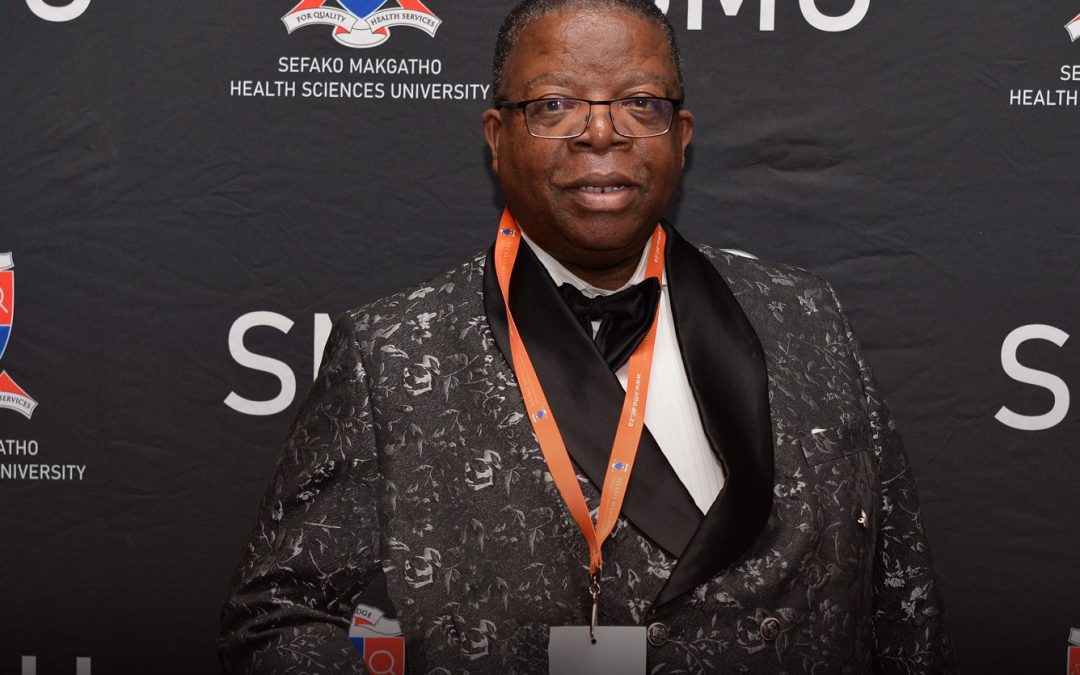
Sefako Makgatho Health Sciences University (SMU) alumnus and retired Head of the Department of Cardiology, Professor Pindile Mntla, is celebrated for a career defined by vision, resilience, and unwavering commitment to medical education and research.
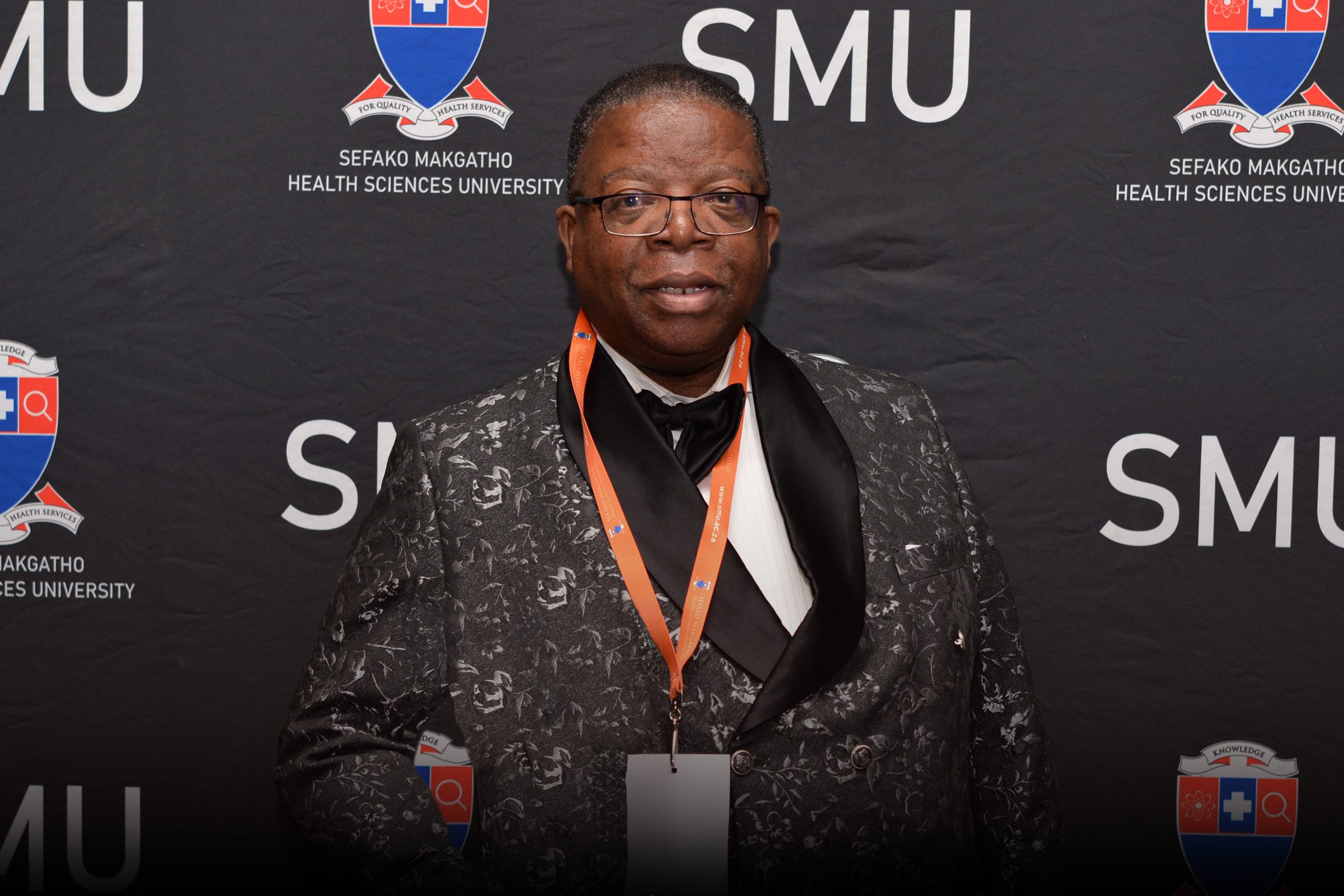 Born at Malmesbury Hospital in Cape Town, Prof Mntla was the second of five children, though only three survive today. Raised in Idutywa by his maternal grandfather and uncle, he attended primary school in Bolotwa and completed secondary education in Cofimvaba and at St John’s College in Mthatha. His early years instilled in him discipline and curiosity. “I owe much of my resilience and work ethic to those formative years,” he reflects.
Mntla graduated as a medical doctor from the Medical University of Southern Africa (MEDUNSA), now SMU, in 1984. During his years there, he was introduced to politics through the formation of Azanian Students Organisation (AZASO), where he served as the founding secretary of the Medunsa branch. He had already been exposed to uMkhonto weSizwe (MK) activities as a Grade 11 pupil at St John’s College, assisting with distributing literature, knitting jerseys, and supporting cell activities in Spring Street.
His medical training coincided with turbulent times in South Africa. Initially slated for an internship at Edendale Hospital in 1985, he refused to sign the “Inkatha Pledge” and was redirected to Natalspruit Hospital (now Telle-Mogoerane Hospital) during the height of the East Rand uprisings. Prof Mntla recalls the horrors of the era: a house in Thokoza, along with his graduation gown, hood, and books, was burnt, and he was closely monitored by Internal Security. Despite these challenges, he resolved early in his medical career that private practice would not be his path.
His registrar years at Wits were also marked by systemic inequities: restrictions on accommodation due to the Group Areas Act, unequal benefits compared to fellow registrars, and ongoing discrimination. Yet these obstacles did not deter him.
Returning to his alma mater in 1994 as a lecturer in Cardiology and Internal Medicine, Mntla co-launched the Refresher Course alongside Prof Willie Bam and departmental administrator Mrs Jackson in 1995. What began in a modest lecture hall evolved into a nationally recognised platform, now hosted at the CSIR, providing doctors with access to the latest cardiology knowledge in a structured, professional setting.
Mntla’s research collaborations, including work with the late Prof Bongani Mayosi, addressed critical cardiology issues such as pericardial disease, rheumatic heart disease, hypertension, and heart failure. Mentorship remains a core principle for him; numerous Master’s and PhD students under his guidance have completed studies shaping clinical practice today.
Beyond SMU, Prof Mntla has contributed to the Medicines Control Council (now SAHPRA – South African Health Products Regulatory Authority), the College of Physicians Council, and the Colleges of Medicine of South Africa (CMSA) Senate, and chairs the Nelson Mandela/Fidel Castro (NMFC) Medical Collaboration Programme. He has served on advisory boards, including the South African Medical Research Council (SAMRC), acted as an external examiner for the University of Botswana and the University of Malawi, and participated in medical outreach through the Phalala Programme in Eswatini.
Mntla’s personal legacy is equally profound. He is married to Dr Edith Nonhlanhla Mntla (née Madela) and is a proud father of three children, two of whom have followed him into the medical profession. “Seeing my children pursue medicine fills me with immense pride,” he reflects.
“Prof Mntla embodies a rare blend of vision and humility,” says Dr Edith Mntla. “He inspires excellence while nurturing talent.” His leadership journey includes serving as Deputy Dean for Students (2002), Director of the School of Medicine (2005–2009), and Acting Dean of the Faculty of Health Sciences.
Throughout his career, he has exemplified intellect, action, mentorship, and service. “He doesn’t just teach medicine; he teaches us how to serve humanity,” Dr Mntla adds. His story remains one of resilience, leadership, and lasting influence on South African medicine.
By Tumelo Moila
by Lorato | Nov 6, 2025 | All News, SMU Media, Student Media
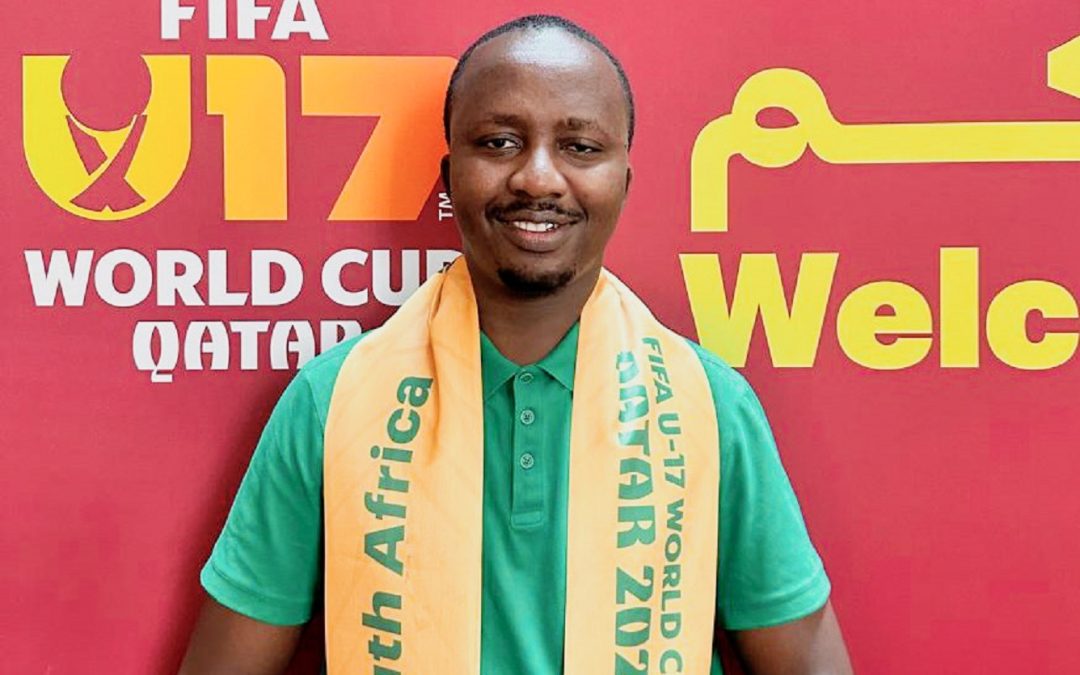
Sefako Makgatho Health Sciences University (SMU) continues to produce graduates who excel on global stages — and this time, it’s Physiotherapy alumnus Kenny Darrel Mziyako, who is part of the South Africa U-17 national team’s medical staff at the 2025 FIFA U-17 World Cup, taking place in Qatar from 3 to 27 November 2025.
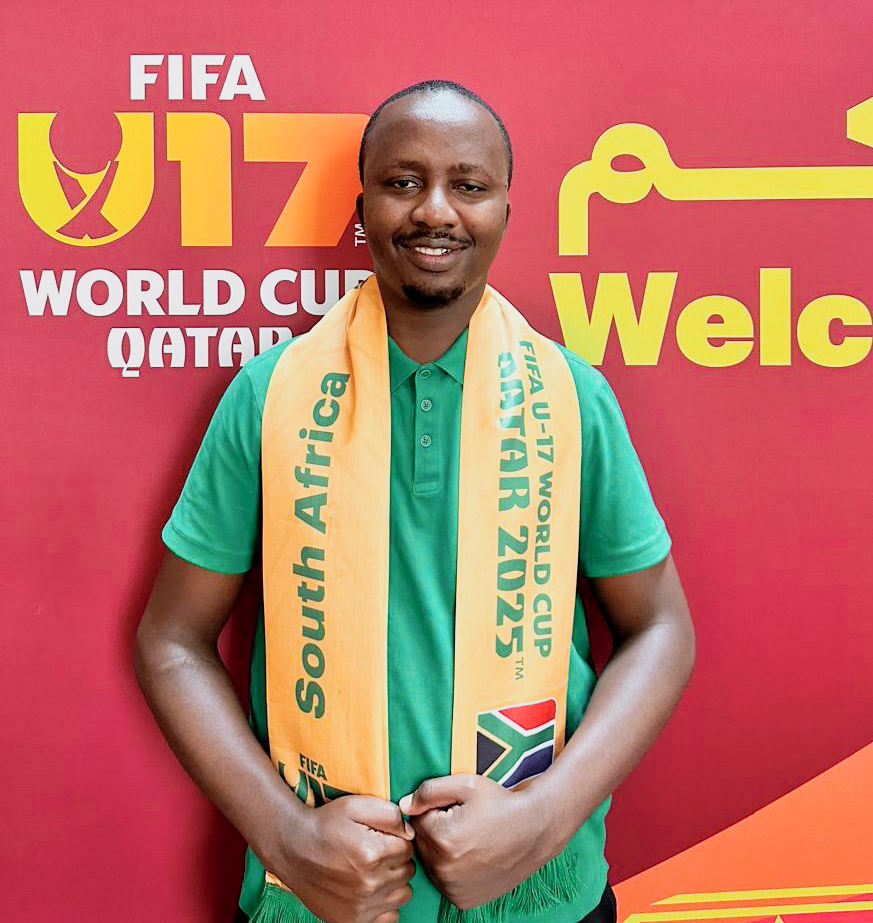 The 2025 edition marks a historic moment for the tournament as the 20th FIFA U-17 World Cup, and the first to adopt an annual format with 48 participating teams, a significant expansion from the traditional 24. It also ushers in a new era for youth football, as Qatar will host the competition for five consecutive years (2025–2029). With Germany entering as the defending champions, the stage is set for a highly competitive and globally celebrated event.
For Mziyako, being part of the Amajimbos’ medical team is both a professional milestone and a personal dream come true. “Football has always been my passion,” he reflects. “To serve my country in a world-class tournament like the FIFA U-17 World Cup is an honour. I’m grateful for the foundation SMU gave me — both academically and professionally.”
Born and raised in Luphisi Village near Mbombela, Mpumalanga, Mziyako’s journey has been defined by dedication, perseverance, and an unwavering love for sports medicine. He completed his BSc in Physiotherapy at SMU in 2019, where his interest in sports and rehabilitation began to flourish. He later obtained the FIFA Diploma in Sports Medicine in 2021, a qualification that has strengthened his expertise in managing sports-related injuries and athlete recovery. Currently, he is pursuing an MSc in Physiotherapy (Sports and Rehabilitation) at his alma mater, SMU.
His early career was marked by volunteer experiences with top football teams, including Mamelodi Sundowns Academy and the SMU soccer team during the USSA Games in 2018 and 2019, where he served as Coordinator of the Sports Rehabilitation Unit. After completing his community service at Witbank Hospital in 2020, he secured a permanent post as a Grade 1 Physiotherapist at Ermelo Hospital in 2021.
His daily work includes designing treatment plans, conducting rehabilitation exercises, and monitoring patient recovery — all while mentoring younger physiotherapists and serving as a NEHAWU shop steward.
Beyond hospital work, Mziyako has also collaborated with the Mpumalanga Department of Culture, Sports and Recreation, accompanying provincial teams to the National School Sports Championships and providing injury screening and rehabilitation services to local football clubs in promotional leagues. His growing profile in sports physiotherapy earned him national recognition, leading to his selection as physiotherapist for the COSAFA U-17 Tournament (2024) and AFCON U-17 (2025) — experiences that paved the way for his upcoming FIFA World Cup role.
With a blend of technical skill, teamwork, leadership, and a passion for athlete wellbeing, Mziyako embodies the excellence and community spirit that SMU stands for. As the Amajimbos prepare to face the world’s best young footballers, his presence on the medical bench will not only support South Africa’s quest for success but also showcase the calibre of SMU graduates making a global impact.
“Physiotherapy is not just about healing bodies,” Mziyako concludes. “It’s about helping athletes perform at their best — physically, mentally, and emotionally. I’m proud to carry the SMU flag to Qatar.”
By Tumelo Moila