by Lorato | Aug 12, 2026 | All News, Alumni, SMU Media, Student Media
Sefako Makgatho Health Sciences University (SMU) has strengthened its commitment to community engagement by leading an interprofessional campaign to raise awareness about substance abuse and empower young people to make healthier, more informed choices.
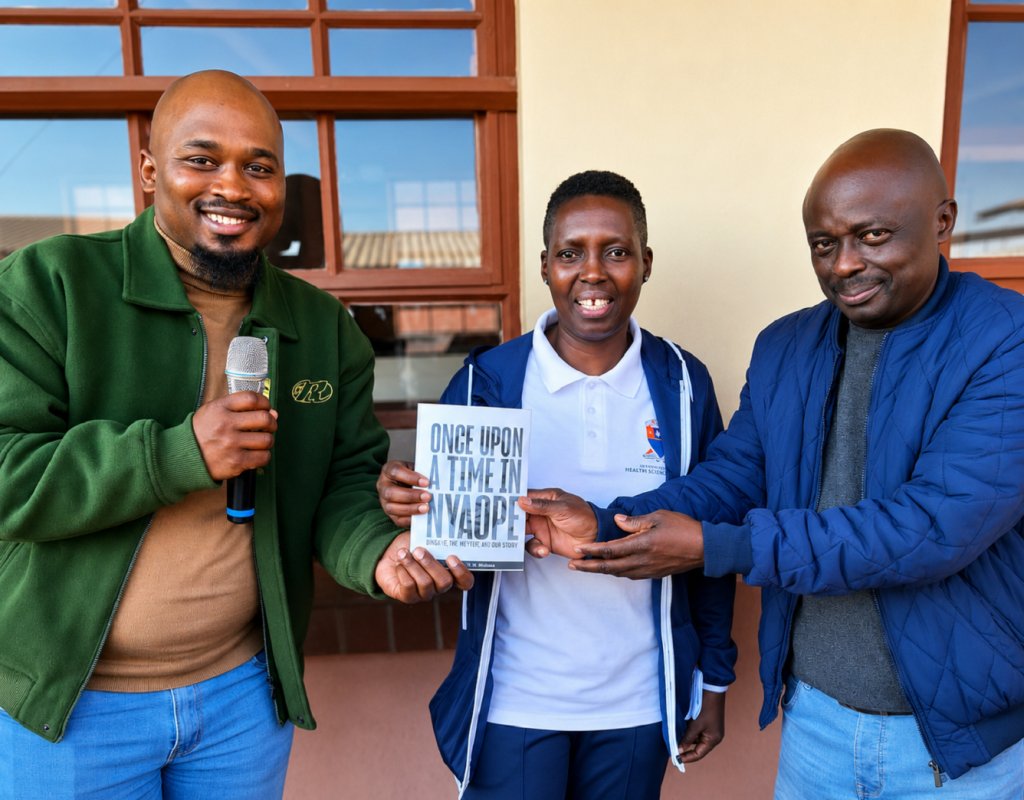 The outreach, held recently at Diphetogo Secondary School in Klipgat, North West, brought together students and academics from SMU’s Departments of Physiotherapy, Human Nutrition and Dietetics, Occupational Therapy, the SMU Library and the Academic Literacy and Science Communication. The initiative focused on educating learners about the dangers of substance abuse while promoting healthy lifestyles, resilience and responsible decision-making.
The programme opened with a welcome and an introduction of the guests by the Senior Librarian: Technical Services, Mmakgoshi Reetseng, from the SMU Library. Students from the three health sciences departments delivered presentations under the supervision of their respective lecturers, Ntombenkosi Sobantu, Dr Cornelia Phetla and Dr Teresia Dzhugudzha. Godfrey Nkgadima facilitated an interactive question-and-answer session from the University’s Academic Literacy and Science Communication department.
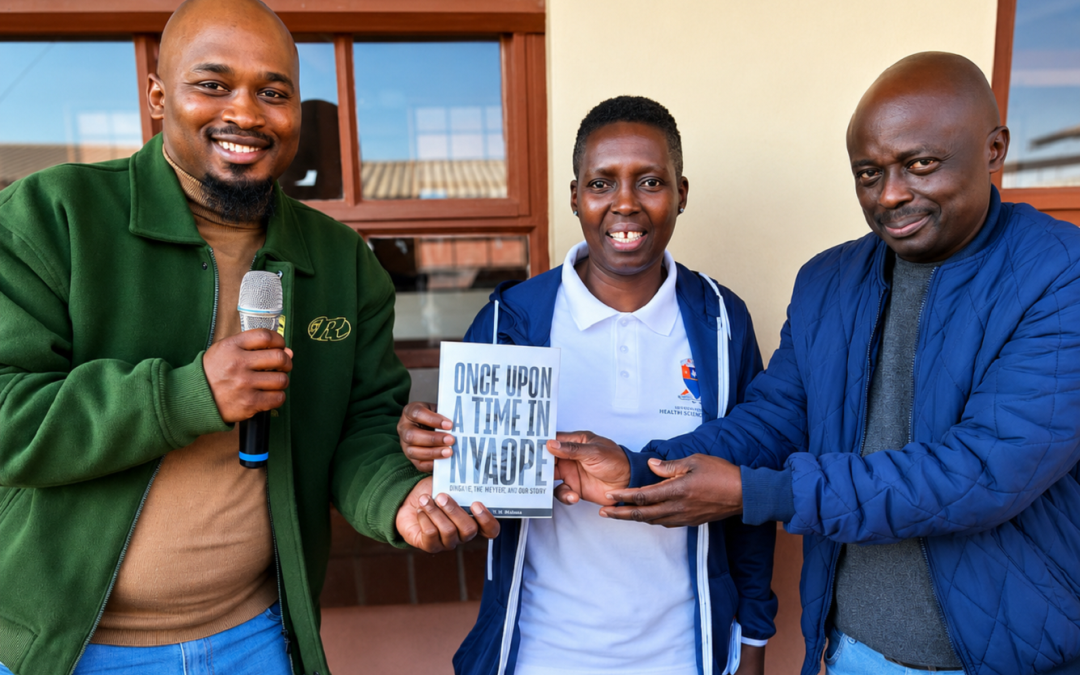
A key moment of the campaign was an address by Mpumelelo Phakathi, an Addiction and Recovery Specialist, ASCHP-registered Supportive Counsellor, Behavioural Health Practitioner, neuro-motivational speaker, and author of Once Upon A Time In Nyaope. Drawing on his lived experience of overcoming drug and alcohol addiction, Phakathi delivered a message centred on hope, resilience and personal responsibility. “Every decision you make today shapes the future you will live tomorrow. Do not allow drugs or alcohol to steal your dreams before they have a chance to become reality,” said Phakathi.
He also encouraged learners not to allow past experiences or difficult circumstances to determine their future. “I stand before you as living proof that recovery is possible. No matter where you come from or what challenges you face, you can overcome them through courage, support and the willingness to change. Your past does not determine your future,” he said.
 Phakathi urged learners to demonstrate leadership by resisting peer pressure and making independent choices. “True strength is not found in following the crowd. It is found in having the courage to say no when everyone else is saying yes. Everyone has the potential to choose a better future,” he said.
The interdisciplinary approach highlighted the contribution of different health professions to substance abuse prevention. Physiotherapy students addressed the benefits of physical activity and exercise, while Human Nutrition and Dietetics students focused on healthy eating and its role in supporting physical and mental wellbeing. Occupational Therapy students discussed healthy routines, positive coping mechanisms and life skills that can help reduce risky behaviours.
Sobantu said the initiative demonstrated the value of taking health sciences education beyond the classroom. “Community engagement is an integral part of health sciences education. Through initiatives such as this, our students can apply their knowledge while empowering young people to make healthier choices that will positively influence their futures,” she said.
Dr Phetla emphasised the importance of collaboration, saying, “Addressing substance abuse requires a holistic approach.”
Dr Dzhugudzha added that practical life skills could help young people build resilience and make informed decisions.
The campaign reinforces SMU’s role in developing socially responsive health professionals while strengthening its partnerships with schools and communities. Through health education, interdisciplinary learning and community engagement, the University continues to advance its mission of transforming lives through excellence and innovation.
By Dimakatso Modise

by Lorato | Aug 6, 2026 | All News, SMU Media, Student Media
Sefako Makgatho Health Sciences University (SMU) celebrated leadership, confidence, cultural pride and student excellence during the Mr and Miss SMU 2026 pageant, held at the SMU Sport Complex on 31 July 2026. The annual event reaffirmed the university’s commitment to developing graduates who embody leadership, integrity, Ubuntu and academic excellence while preparing them to make meaningful contributions to society.
 The prestigious occasion brought together students, staff, alumni, sponsors and guests for an evening that recognised students who exemplify the University’s values through character, service and leadership. The event was hosted by internationally acclaimed South African beauty queen Lalela Lali Mswane, Miss South Africa 2021 and Miss Supranational 2022, whose inspiring journey and commitment to youth empowerment added significance to the celebration.
Guests were welcomed with a vibrant red-carpet experience before contestants officially opened the programme with an energetic performance that showcased confidence, enthusiasm and teamwork. Throughout the evening, contestants demonstrated that the competition extends beyond appearance, highlighting the qualities expected of future university ambassadors.
Delivering the welcome address, Acting Executive Director: Student Affairs, Tulani Nkuntse, described the pageant as an important leadership development platform that identifies students capable of representing SMU with distinction.
“Mr and Miss SMU is much more than a beauty pageant. It is a leadership platform that identifies young men and women who will represent the university’s values with integrity, compassion and excellence. We are proud to celebrate students who inspire others through their confidence, character and commitment to making a positive impact,” said Nkuntse.
Contestants competed across three categories designed to showcase different aspects of their abilities. The traditional wear and cultural attire segment celebrated South Africa’s rich cultural heritage, while the swimwear category assessed confidence, discipline and stage presence. The evening wear segment concluded the competition by allowing contestants to demonstrate poise, professionalism, and self-confidence.
Entertainment throughout the evening, including performances by the TDD Dancers, complemented the competition and kept the atmosphere engaging. One of the evening’s defining moments was the question-and-answer sessions involving the Top Five and Top Three finalists. Their responses demonstrated leadership potential, communication skills, critical thinking and a clear vision for serving the SMU community.
The judging panel included renowned South African actress, television presenter, and entrepreneur Katlego Danke; SMU Acting Director of Advancement and Communications Tshimangadzo Mphaphuli, a recipient of a MACE Excellence Award; and respected professionals from various sectors. Reflecting on the competition’s standards, Mphaphuli commended the contestants for exemplifying the qualities expected of university ambassadors.
 “This year’s contestants displayed remarkable confidence, authenticity and leadership. They demonstrated that the title of Mr or Miss SMU is earned through purpose, resilience and the willingness to serve others. Every finalist represented the university with pride and distinction,” she said.
Following a closely contested competition, Tlotlo Manamela was crowned Mr SMU 2026, with Sanele Mhlongo named First Runner-up and Mpho Mufamadi receiving the titles of Second Runner-up and Mr SMU Viewers’ Choice. In the women’s category, Keamogetswe Sepeng was crowned Miss SMU 2026, while Junior Remematla Malelu was named First Runner-up and Dimpho Seroka received the titles of Second Runner-up and Miss SMU Viewers’ Choice.
Speaking after receiving the crown, Manamela acknowledged the responsibility that accompanies the title. “Winning this title is both an honour and a responsibility. I look forward to representing SMU with humility and purpose while encouraging students to embrace leadership, excellence and service. Together, we can create a positive impact both on campus and within our communities,” he said.
Sepeng said her reign would focus on inspiring others to recognise their potential and lead with purpose. “This crown symbolises purpose rather than personal achievement. I hope to use this platform to encourage young people to believe in themselves, pursue their dreams fearlessly and become leaders who uplift others. I am proud to represent SMU and everything it stands for,” she said.
Throughout their reign, the newly crowned ambassadors will represent SMU at official university events, community engagement initiatives and student leadership programmes. Working alongside the Student Affairs Directorate, they will champion the university’s values of excellence, integrity, accountability, compassion, respect and Ubuntu while inspiring fellow students to become active contributors within their communities.
The Mr and Miss SMU 2026 pageant once again demonstrated that the competition is a platform for identifying future leaders who combine academic excellence, resilience, social responsibility and service. By nurturing graduates who embody these qualities, SMU continues to strengthen its contribution to higher education, leadership development and the advancement of communities in South Africa and beyond.
By Dimakatso Modise and Kelebogile Rakgolela
by Lorato | Aug 6, 2026 | Accolades and Achievements, All News, Alumni, SMU Media, Student Media
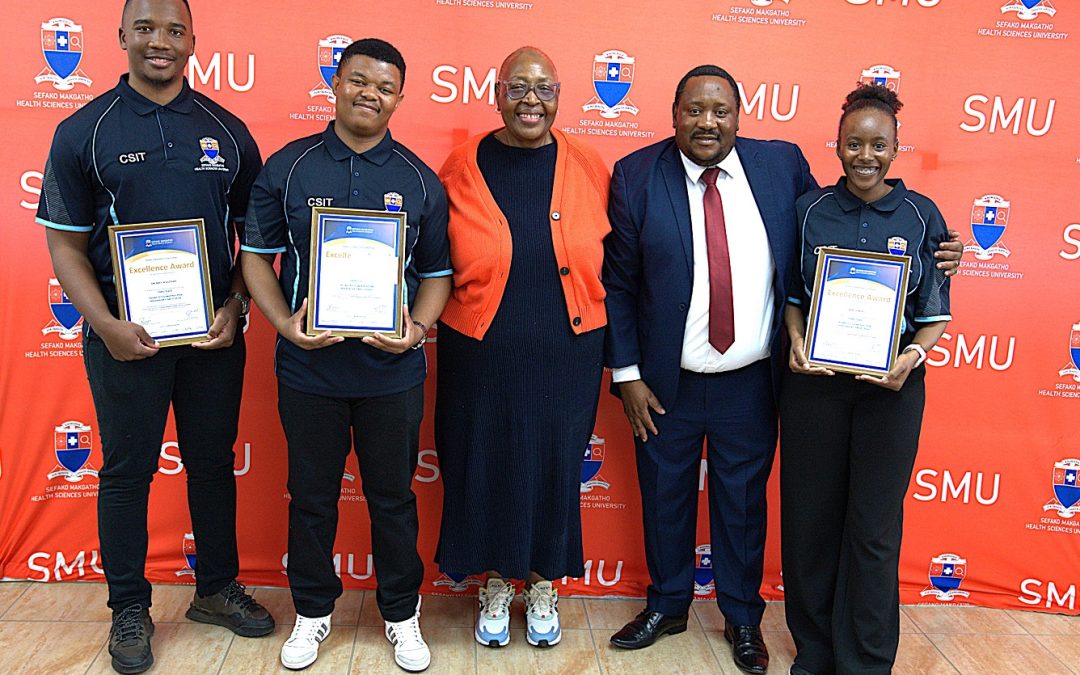
Sefako Makgatho Health Sciences University (SMU) has honoured three final-year Bachelor of Science in Mathematical Sciences students whose exceptional performance at the Huawei ICT Competition Global Final in China earned South Africa international recognition. During a special celebration hosted by the School of Science and Technology, the university recognised the students’ third-place finish as a testament to SMU’s commitment to academic excellence, innovation, and the production of graduates who can compete successfully on the global stage.
 The celebration recognised Bontle Mdau from Pretoria East, Oreneile Hlalethwa from Hammanskraal and Rudzani Junior Munyai from Pimville, Soweto. Competing against some of the world’s brightest Information and Communication Technology (ICT) students, the trio demonstrated exceptional technical ability, teamwork and resilience, securing an impressive third-place finish in one of the world’s leading technology competitions.
The event brought together university leadership, Huawei South Africa representatives, staff, students and guests to celebrate a milestone that reflects SMU’s growing reputation for developing future-ready graduates. The achievement also highlights the strength of the University’s partnership with Huawei, which continues to provide students with opportunities to gain industry exposure, strengthen digital skills and compete on international platforms.
Delivering the keynote address, Acting Vice-Chancellor and Principal Professor Dini Mawela congratulated the students, describing their success as a proud achievement for both the university and South Africa. “This achievement demonstrates what is possible when talent, determination and quality education come together. You have flown the South African flag high and have shown that SMU students are capable of competing successfully on the global stage,” said Prof Mawela.
She encouraged the students to continue pursuing excellence and reminded them that they now serve as ambassadors for the university and role models for aspiring scientists, innovators and technology professionals.
 Dean of the School of Science and Technology, Professor Lawrence Obi, said the students’ achievement reflects the University’s commitment to producing graduates capable of addressing real-world challenges through science, technology and innovation. “This achievement reflects the quality of our students, the dedication of our academic staff and our commitment to producing graduates who are equipped to solve real-world challenges through science, technology and innovation,” said Prof Obi.
Representing Huawei South Africa, Samantha Malapane commended the students’ professionalism, discipline and teamwork throughout the global finals. “The team represented South Africa with excellence, and we are incredibly proud of what they achieved. Their third-place finish is well deserved and is a testament to the hard work they invested throughout the competition,” she said.
During the ceremony, the students received the School of Science and Technology Excellence Award in recognition of their outstanding achievements and contributions to enhancing SMU’s international profile. Speaking on behalf of the team, Munyai expressed gratitude for the opportunity to represent both the university and the country. “Thanks to the excellence of Sefako Makgatho Health Sciences University for equipping us with the skills and resilience to achieve this award,” he said.
Beyond the competition, the students gained valuable exposure to international best practices, emerging technologies and cross-cultural collaboration that will support their future careers. Their achievement reinforces the impact of the partnership between SMU and Huawei in preparing graduates with the knowledge, technical expertise and global perspective required in the rapidly evolving digital economy.
As SMU continues to advance excellence in teaching, learning and research, achievements such as this strengthen the University’s reputation as a leading institution that develops innovative graduates capable of making meaningful contributions to South Africa and the global knowledge economy.
By Dimakatso Modise
by Lorato | Aug 6, 2026 | Accolades and Achievements, All News, Alumni, SMU Media, Student Media
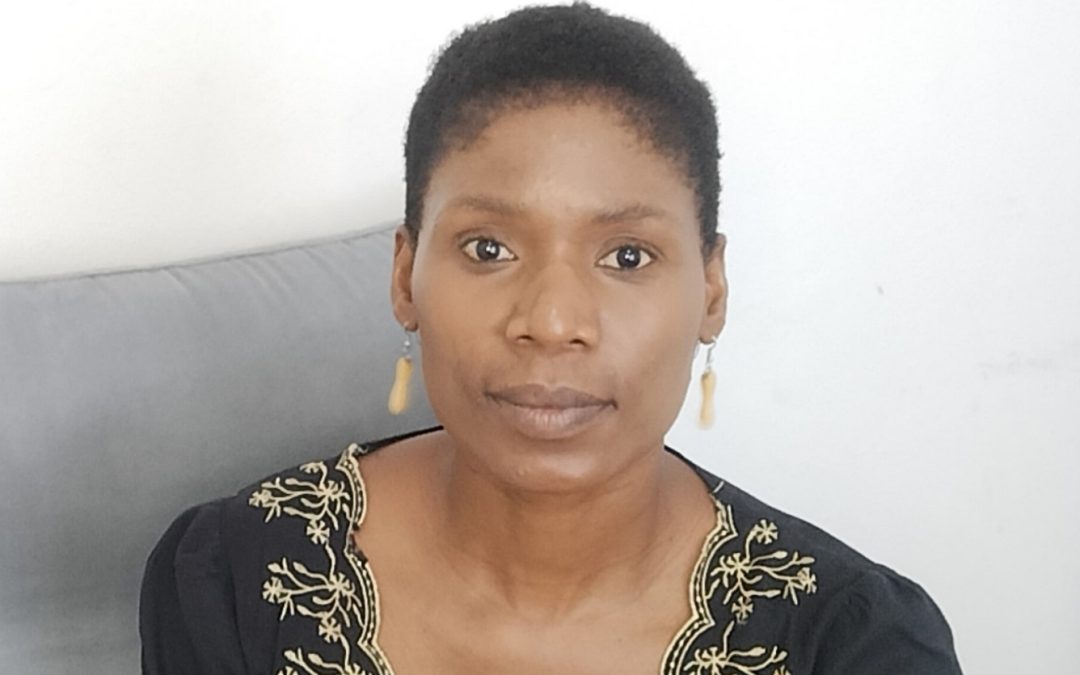
Sefako Makgatho Health Sciences University (SMU) has recognised outstanding academic achievement by promoting Professor Ramokone Lisbeth Lebelo from Senior Lecturer to Associate Professor in the Department of Virology. The promotion, which took effect in June 2026, acknowledges her distinguished contributions to medical virology, research, postgraduate supervision and academic leadership, further strengthening the University’s commitment to advancing health sciences education and research.
 Professor Lebelo has built an accomplished career spanning research, teaching, diagnostics and public health. She holds a joint PhD in Medical Science and Medical Virology awarded by the University of Antwerp in Belgium and the University of Limpopo in South Africa. Her research focuses on vaccine-preventable diseases, vaccinology and cancer-causing viruses, particularly human papillomavirus (HPV), with a strong emphasis on cervical cancer prevention, HPV epidemiology, vaccination and sexually transmitted infections. Alongside her academic responsibilities at SMU, she serves as Principal Medical Scientist at the National Health Laboratory Service (NHLS) and heads the HPV and STIs Training Centre for Africa.
Reflecting on this milestone, Professor Lebelo described her promotion as both a personal honour and a renewed commitment to serving society through research and education. “This promotion is both an honour and a responsibility. It reflects the support I have received from my colleagues, students and collaborators over the years. I remain committed to advancing research that improves public health while mentoring the next generation of scientists to reach their full potential,” she said.
She added that developing future scientists remains central to her professional mission. “My passion has always been to empower, motivate, uplift, educate and encourage young scientists, particularly those from less privileged backgrounds. I believe excellence is achieved through hard work, collaboration and creating opportunities for others to succeed,” she said.
Throughout her career, Professor Lebelo has established an impressive research portfolio, publishing extensively in leading peer-reviewed journals and presenting at national and international conferences. She has secured competitive research grants, supervised numerous postgraduate students and collaborated with researchers across South Africa and abroad. Her work has made significant contributions to understanding HPV infection, cervical cancer screening and prevention, and the epidemiology of viral diseases in resource-limited settings. In addition, she has accumulated extensive teaching experience in molecular biology, advanced virology, medical microbiology and clinical virology while serving on university committees, professional bodies and scientific review panels.
The promotion reflects a career characterised by academic excellence, scientific leadership and dedicated service to the health sciences sector. As an Associate Professor, Professor Lebelo is expected to continue expanding her internationally recognised research programme, strengthen scientific collaboration, and develop future leaders in medical virology. Her appointment also reinforces SMU’s confidence in her ability to drive research innovation, postgraduate training and Africa’s response to infectious diseases and HPV-related cancers.
Professor Lebelo’s promotion underscores SMU’s ongoing commitment to recognising excellence in research, teaching and academic leadership. By investing in scholars whose work advances healthcare, supports postgraduate education and addresses pressing public health challenges, the University continues to strengthen its reputation as a leading health sciences institution dedicated to transforming lives through excellence and innovation.
By Tumelo Moila
by Lorato | Aug 6, 2026 | Accolades and Achievements, All News, Alumni, SMU Media, Student Media
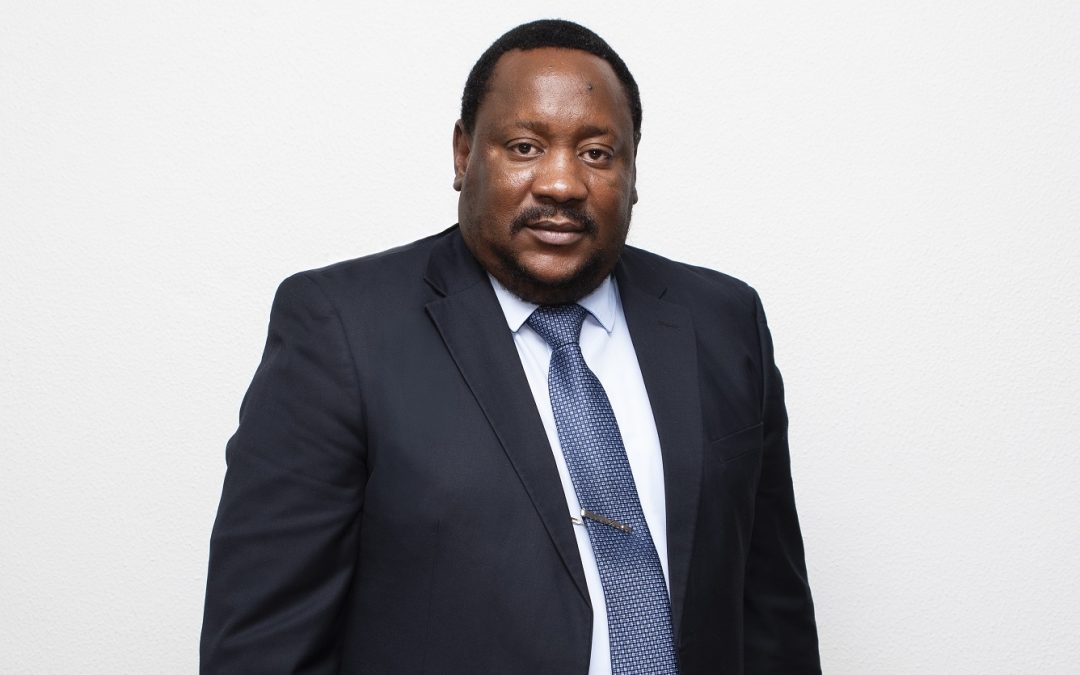
Sefako Makgatho Health Sciences University (SMU) has promoted Prof Sechene Stanley Gololo from Associate Professor to Full Professor in recognition of his distinguished academic leadership, research excellence, and sustained contributions to teaching, postgraduate supervision, and community-focused scientific research. The promotion marks a significant milestone in his academic career and reinforces SMU’s commitment to advancing research and innovation in the health sciences.
 The appointment reflects the rigorous criteria for promotion to the rank of full professor, including extensive research output, successful postgraduate supervision, curriculum development, academic leadership and national and international scholarly recognition. Prof Gololo’s achievements include supervising more than twenty master’s students and seven doctoral candidates, publishing more than 50 peer-reviewed scientific articles, contributing to book chapters, securing research funding, and providing strategic leadership within the university.
A phytochemist and biochemist, Prof Gololo’s research focuses on the ethnobotanical and pharmacological properties of South African medicinal plants, particularly their antioxidant and antimicrobial potential. His work also examines how environmental conditions influence the accumulation of bioactive compounds in medicinal plants and explores the use of phytochemical analysis to assess water quality. His research has contributed to the scientific understanding of indigenous medicinal plants while supporting the development of innovative health solutions.
Among his notable achievements, Prof Gololo led a team of researchers whose work led to provisional approval of intellectual property for “Molle mist” as a potential inhalant remedy for COVID-19. He currently serves as Head of the Department of Biochemistry and Biotechnology and Vice-Dean of the School of Science and Technology, while also contributing as a journal reviewer and editorial board member for several international scientific journals.
 Reflecting on his promotion, Prof Gololo said, “Being promoted to Full Professor is both a great honour and a humbling recognition of years of dedication to teaching, research and academic leadership. This achievement is not mine alone; it reflects the support of my colleagues, students and the university, whose encouragement has enabled me to pursue research that addresses real challenges facing our communities.”
Looking to the future, he emphasised his commitment to strengthening research capacity and mentoring the next generation of scientists. “My goal is to expand impactful research on medicinal plants, strengthen national and international collaborations and continue mentoring emerging researchers who will shape the future of science. I also hope to contribute to developing innovative, evidence-based health solutions that improve lives while advancing SMU’s reputation as a leading research-intensive institution.”
Prof Gololo joined SMU in 2010 as a Natural Scientist and Lecturer before progressing to Senior Lecturer, Researcher, Associate Professor, Head of Department and Vice-Dean. His career reflects more than a decade of dedication to teaching, research, postgraduate supervision and academic leadership within the institution.
Prof Gololo’s promotion demonstrates SMU’s commitment to recognising academic excellence and cultivating research leaders whose work contributes to scientific knowledge, innovation and societal development. As the university continues to strengthen its national and international profile, achievements such as this reinforce its mission to transform health services through excellence in teaching, learning, and innovative research.
By Tumelo Moila
by Lorato | Aug 6, 2026 | Accolades and Achievements, All News, Alumni, SMU Media, Student Media
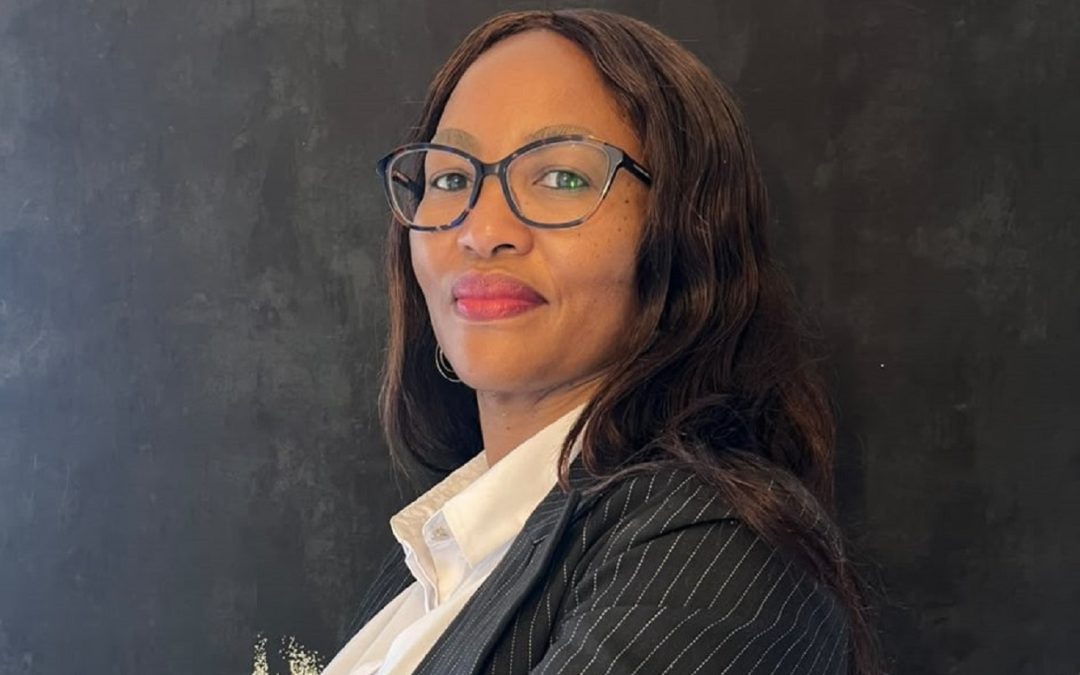
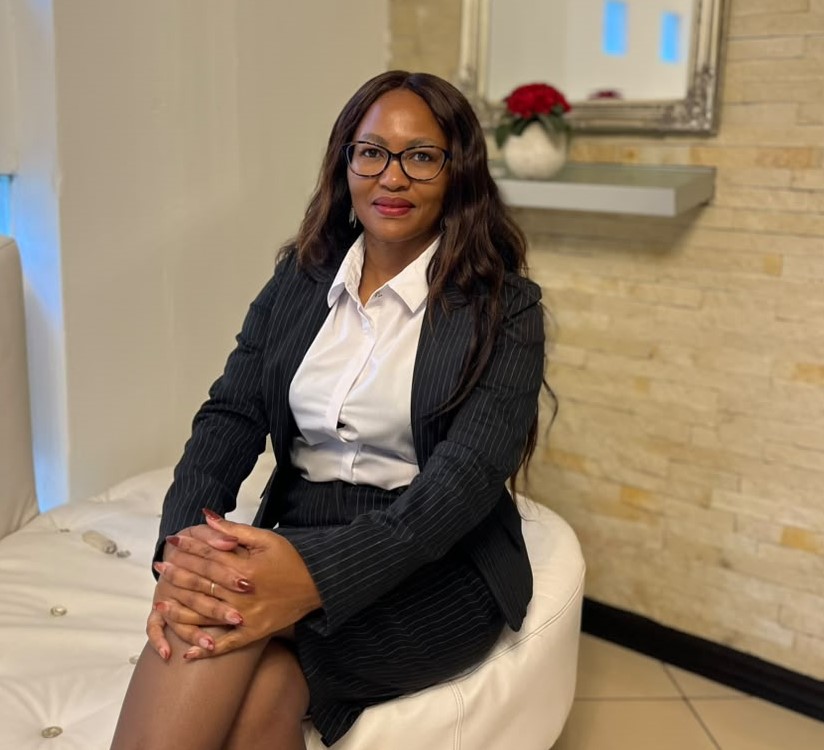
Sefako Makgatho Health Sciences University (SMU) has promoted Professor Moreoagae Bertha Randa from Senior Lecturer to Associate Professor in the Department of Public Health, recognising her distinguished contributions to teaching, research, postgraduate supervision, academic leadership and community engagement.
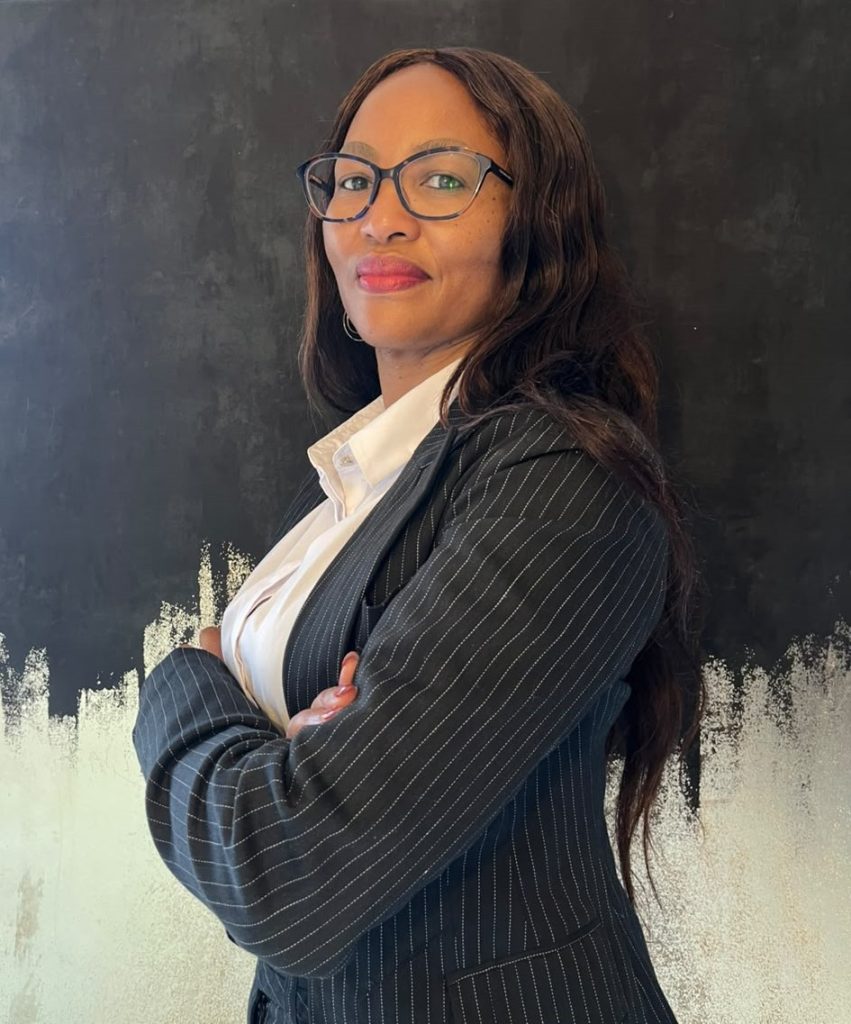 The promotion acknowledges Professor Randa’s sustained excellence across the University’s core academic mission. It acknowledges a career dedicated to advancing public health scholarship, strengthening health systems, and developing future health professionals. Since joining SMU in 2013, she has steadily progressed through the academic ranks while making significant contributions to public health education, research capacity development, and evidence-informed health policy in South Africa. She currently serves as Head of the Health Systems Management and Policy Unit in the Department of Public Health, where she provides strategic academic leadership, coordinates postgraduate teaching and supervision, and supports the development of research programmes aligned with national health priorities.
In addition to her departmental leadership, Professor Randa actively contributes to strengthening the University’s research enterprise. She serves as Chairperson of the School of Health Care Sciences Research Committee, contributes to Senate-level research and postgraduate structures, and has previously served on the SMU Research Ethics Committee. Through these leadership roles, she has helped strengthen research governance, postgraduate quality assurance and the University’s research culture.
Professor Randa’s appointment reflects her successful fulfilment of the University’s rigorous promotion criteria for Associate Professor, including holding a doctoral qualification, demonstrating substantial academic leadership, successful supervision of master’s and doctoral students, leading nationally impactful research, securing external research funding, publishing extensively in accredited scientific journals and making significant contributions to professional service and community engagement.
“I am deeply honoured by this promotion, which reflects not only my personal journey but also the invaluable support of colleagues, students, mentors and collaborators who have contributed to my academic growth,” said Professor Randa. “My commitment remains focused on advancing research that addresses South Africa’s pressing public health challenges, strengthening postgraduate education and research capacity, and working collaboratively to generate evidence that informs policy, strengthens health systems and ultimately improves the health and wellbeing of communities, while mentoring the next generation of researchers, educators and health leaders.”
With more than 38 years of experience spanning clinical practice, nursing education, higher education and public health research, Professor Randa has built an impressive academic portfolio centred on gender-based violence, sexual and reproductive health, mental health, health systems strengthening, health policy and healthcare quality improvement. Her work integrates implementation science, health systems research and multidisciplinary collaboration to develop innovative, contextually relevant solutions to complex public health challenges. Her research has informed policy dialogue, supported evidence-informed decision-making, and contributed to the development of interventions to strengthen health systems and improve health outcomes among vulnerable and underserved populations.
Her scholarly work has attracted significant national and international research funding through competitive grants from organisations including the British Academy, the South African Medical Research Council (SAMRC), the Centre for International Reproductive Health Training (CIRHT), the University of Michigan’s Centre for Global Health Equity (CGHE) and the Global Challenges Research Fund (GCRF). These awards have supported innovative research, strengthened multidisciplinary collaborations, and expanded partnerships with leading institutions in South Africa and abroad.
 Professor Randa has successfully led and co-led several nationally and internationally funded multidisciplinary research projects addressing priority public health challenges, including health systems strengthening, gender-based violence, sexual and reproductive health, mental health, and healthcare quality improvement. Her scholarship is recognised for integrating implementation science, health systems research and interdisciplinary collaboration to generate evidence that informs policy, strengthens health systems and improves health outcomes.
Through extensive collaborations with universities and research institutions in the United Kingdom and across Africa, Professor Randa has strengthened research capacity and advanced contextually relevant solutions to complex public health challenges. These partnerships continue to enhance knowledge generation, innovation and evidence-informed practice in South Africa and beyond.
Her expertise is further recognised nationally through her appointment as a Higher Education representative on the Gauteng College of Nursing Council. In this role, she contributes to nursing education governance, professional development and the advancement of higher education within the nursing profession in South Africa. Beyond research, Professor Randa has made an enduring contribution to postgraduate education. Over the course of her academic career, she has supervised and mentored numerous master’s and doctoral candidates, many of whom now contribute to academia, research and the healthcare sector. This reflects her enduring commitment to developing the next generation of African health researchers and academic leaders. In addition to her own scholarly contributions, Professor Randa is widely recognised for her commitment to research capacity development. Through postgraduate supervision, mentoring early-career academics, facilitating research development initiatives and supporting emerging scholars, she has played a significant role in nurturing the next generation of researchers and academic leaders in public health and the health sciences. She continues to mentor emerging researchers and early-career academics, serves as a reviewer for journals, an external examiner for postgraduate theses across several South African universities and contributes to institutional and national academic committees that promote excellence in research governance, quality assurance, ethics, innovation and postgraduate education.
Professor Randa’s academic influence extends beyond the classroom. She has established herself as a respected scholar through an extensive record of publications in peer-reviewed journals, scholarly book chapters and presentations at national and international conferences. Her collaborative research, particularly in the field of gender-based violence, has contributed to the development of innovative educational resources and strengthened international partnerships aimed at improving healthcare responses and support for survivors of violence.
The promotion reinforces SMU’s commitment to recognising academic leaders whose scholarship advances research excellence, innovation, postgraduate education and societal impact. As a dedicated health sciences university, SMU continues to invest in scholars whose work advances scientific knowledge, strengthens health systems, informs public policy, develops future healthcare leaders, and contributes meaningfully to improving the health and wellbeing of communities in South Africa, across the African continent and beyond.
By Tumelo Moila