by Lorato | May 18, 2026 | Accolades and Achievements, All News, Alumni, SMU Media, Student Media
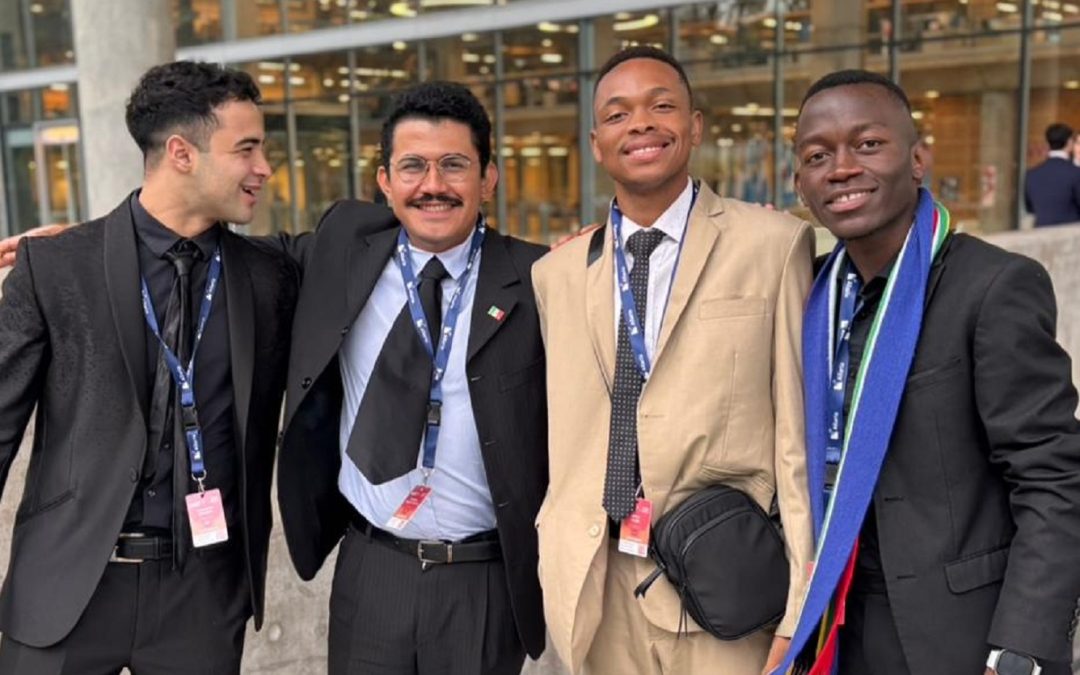
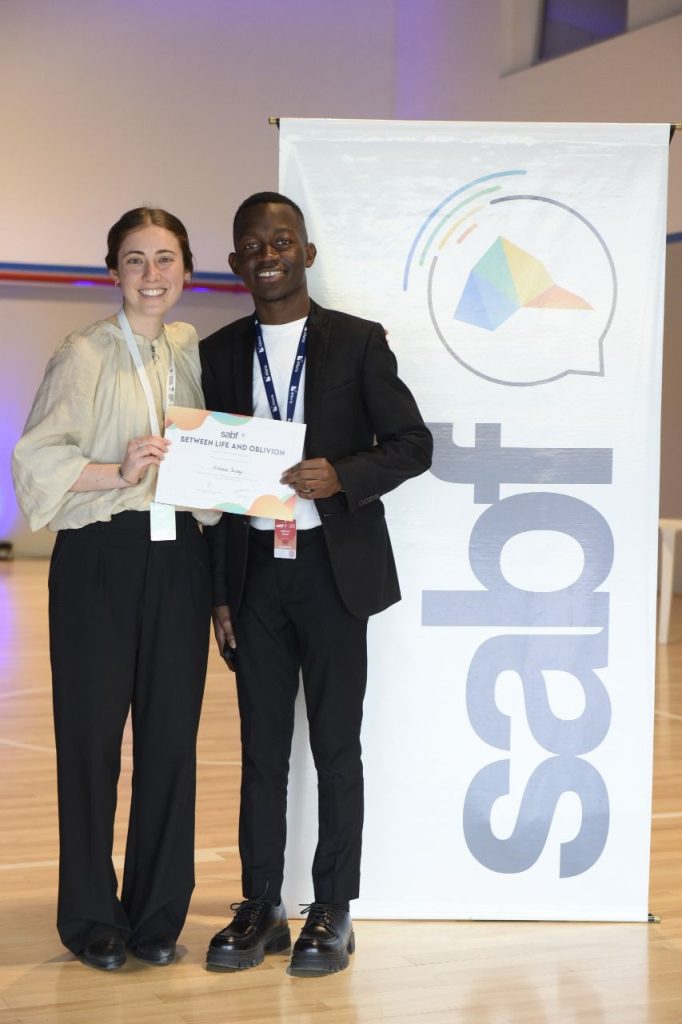
Sefako Makgatho Health Sciences University (SMU) has celebrated an extraordinary international achievement by Master of Pharmacy candidate Mahlorhi Baloyi, who has been ranked among the Top 5 globally for contribution and impact within the prestigious South American Business Forum (SABF) Community.
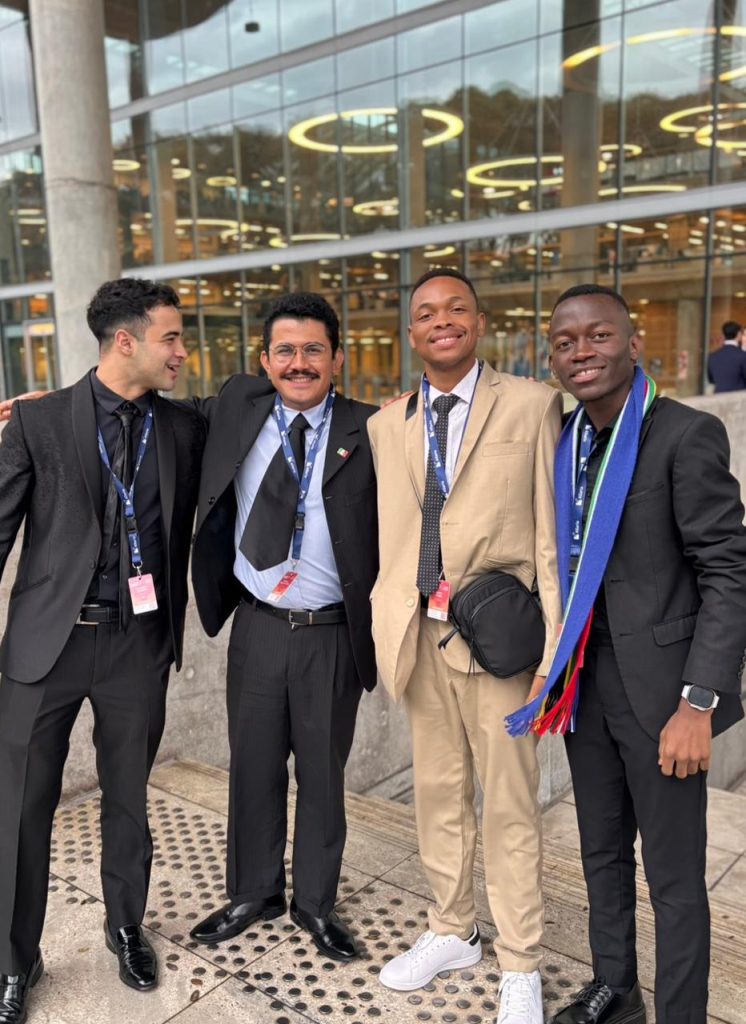 The recognition places Baloyi among a select group of influential young leaders shaping international conversations on leadership, healthcare, innovation, sustainable development, entrepreneurship, diplomacy, and social justice. Hosted annually in Buenos Aires, Argentina, SABF is regarded as one of the world’s most competitive youth leadership platforms, attracting thousands of applications from exceptional students, academics, innovators, policymakers, and entrepreneurs across the globe.
Selection into the SABF network is based on academic excellence, leadership ability, social impact, innovation, critical thinking, and commitment to sustainable change. Baloyi’s ranking among the Top 5 globally reflects not only his academic strength but also his growing influence within international leadership and policy spaces.
Throughout his engagement with SABF, Baloyi has actively participated in high-level discussions, policy engagements, collaborative initiatives, and strategic debates focused on addressing global challenges. His contribution has enabled him to establish meaningful relationships with international policymakers, healthcare advocates, entrepreneurs, and young leaders from different regions of the world.
Baloyi said the recognition represented far more than personal success. “Being recognised among the Top 5 globally within the SABF Community is an incredible honour. These experiences continue to remind me of the importance of collaboration, leadership, and using our voices to contribute towards meaningful global conversations,” he said.
“I hope this inspires students to believe in the value of their ideas, their potential, and their ability to make an impact beyond borders.”
 Beyond his international engagements, Baloyi is currently working towards establishing a global organisation aimed at advancing transformative and innovative healthcare solutions. The initiative seeks to strengthen healthcare accessibility, equity, sustainability, leadership, and health advocacy through international collaboration and systems-focused innovation.
His work aligns closely with SMU’s vision of transforming health services through excellence and innovation while reinforcing the university’s growing reputation as a producer of globally competitive graduates committed to meaningful societal impact.
What distinguishes Baloyi’s journey is his continued commitment to uplifting others despite his rising international profile. Within the university community, he remains involved in mentorship programmes, motivational initiatives, peer coaching, leadership development activities, and student support programmes designed to encourage young people to pursue excellence and global engagement.
SMU said Baloyi’s achievement reflects the institution’s commitment to producing graduates who combine academic excellence with leadership, integrity, innovation, and social responsibility.
The university added that his success demonstrates how South African students can compete successfully within highly competitive international platforms while remaining committed to service, collaboration, and community impact.
Baloyi’s achievement continues to strengthen SMU’s international profile and reinforces the university’s position as a distinctive health sciences institution developing future leaders capable of shaping healthcare, policy, and innovation on a global scale.
By Tumelo Moila
by Lorato | May 14, 2026 | All News, Alumni, SMU Media, Student Media
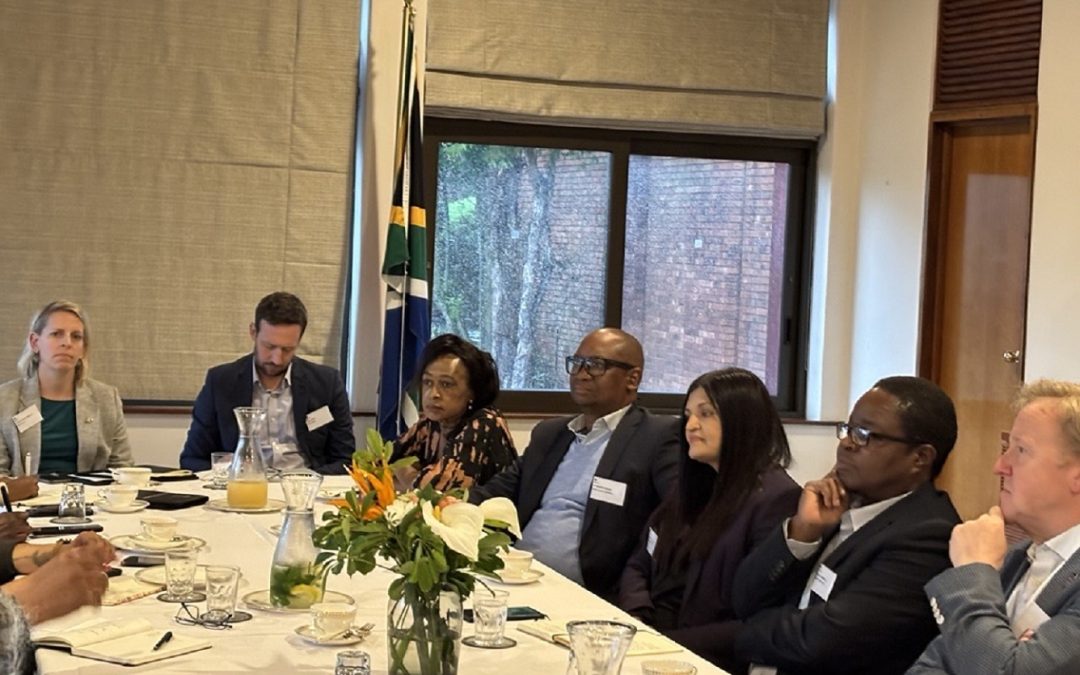
Sefako Makgatho Health Sciences University (SMU) Vice-Chancellor and Principal, Professor Tandi Matsha-Erasmus, recently participated in a high-level strategic roundtable hosted by the British High Commission in Pretoria, reaffirming the university’s growing role in shaping the future of health innovation, digital health, and artificial intelligence on the African continent.
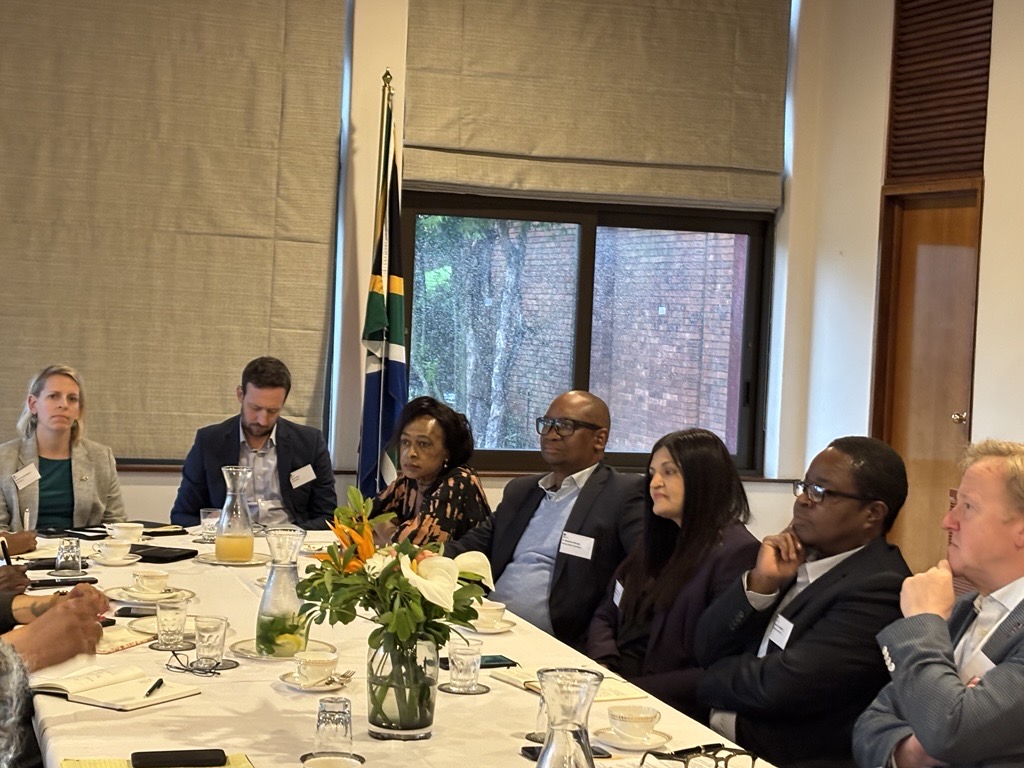 The engagement, hosted at the British High Commissioner’s Residence in Waterkloof, brought together senior representatives from the British High Commission and University College London (UCL), one of the world’s leading research-intensive universities, to explore opportunities for strengthened United Kingdom–South Africa collaboration in healthcare innovation and academic partnerships.
The roundtable focused on South Africa’s evolving health priorities and emerging opportunities in digital health and artificial intelligence (AI), particularly in relation to strengthening healthcare systems, research collaboration, innovation, and capacity development. The discussions also explored how institutions from both countries can work together to advance impactful and contextually relevant health solutions for society.
The VC’s participation in the engagement reflects SMU’s growing positioning within international academic and healthcare networks and underscores the university’s commitment to advancing innovation-led healthcare education, research, and partnerships.
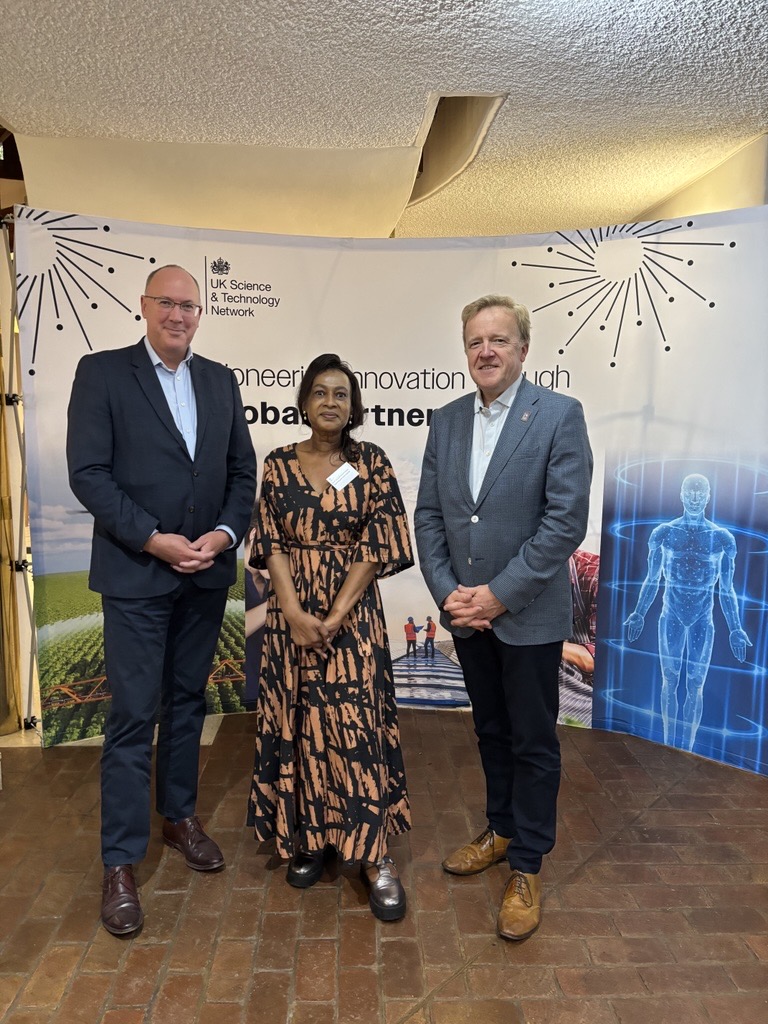 Under the leadership of Matsha-Erasmus, SMU continues to strengthen its strategic global engagement agenda, particularly in areas aligned to the future of healthcare, health sciences education, research excellence, and technological advancement. Her participation in the roundtable further demonstrates the university’s commitment to contributing meaningfully to conversations shaping the future of healthcare in Africa and globally.
The engagement comes at a time when digital health and artificial intelligence are increasingly becoming central to healthcare transformation worldwide, including improving healthcare access, data-driven decision-making, disease surveillance, diagnostics, and health systems strengthening. International institutions such as UCL continue to play a leading role in advancing digital public health, health innovation, and AI-driven healthcare research.
As a specialised health sciences university, SMU remains committed to fostering collaborations that contribute towards strengthening healthcare systems, advancing scientific innovation, and producing graduates equipped to respond to contemporary and future health challenges.
The university views international strategic engagements such as these as critical in expanding knowledge exchange, strengthening institutional partnerships, and positioning South African health sciences institutions within global conversations on innovation and healthcare transformation.
by Lorato | May 14, 2026 | Accolades and Achievements, All News, Alumni, SMU Media, Student Media
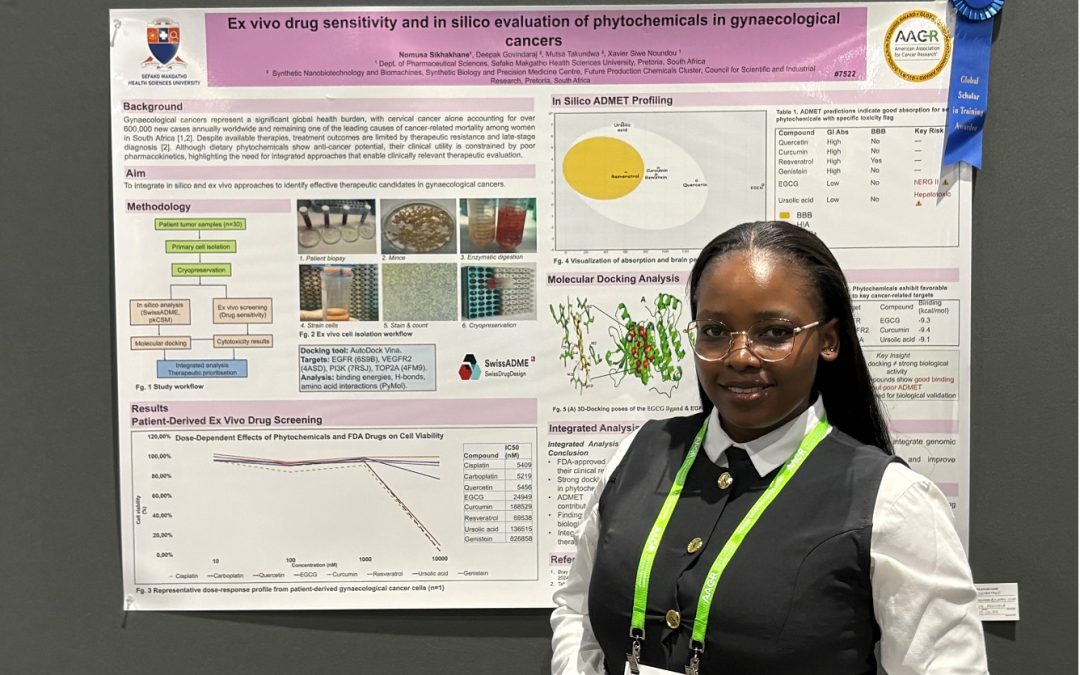
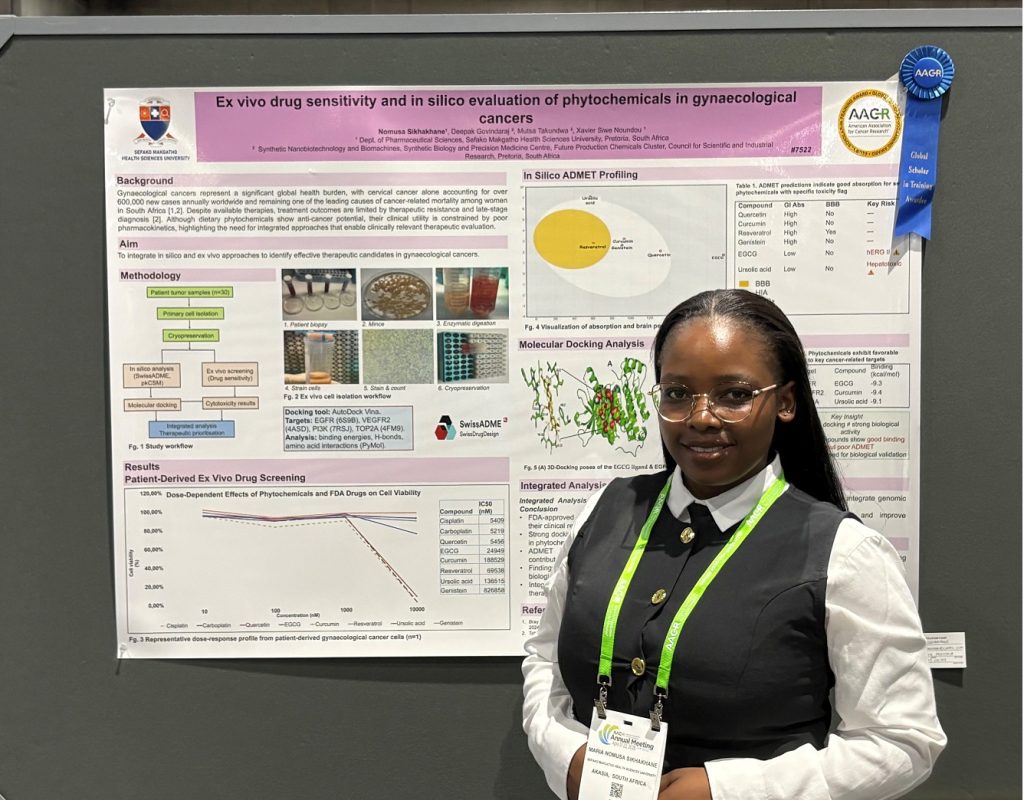
Nomusa Sikhakhane, a PhD candidate at Sefako Makgatho Health Sciences University (SMU), is placing South African cancer research on the global stage after receiving the prestigious American Association for Cancer Research (AACR) Amgen Global Scholars-in-Training Award (GSITA). The honour recognises emerging leaders in oncology and supports early-career researchers across Africa through international collaboration and capacity development.
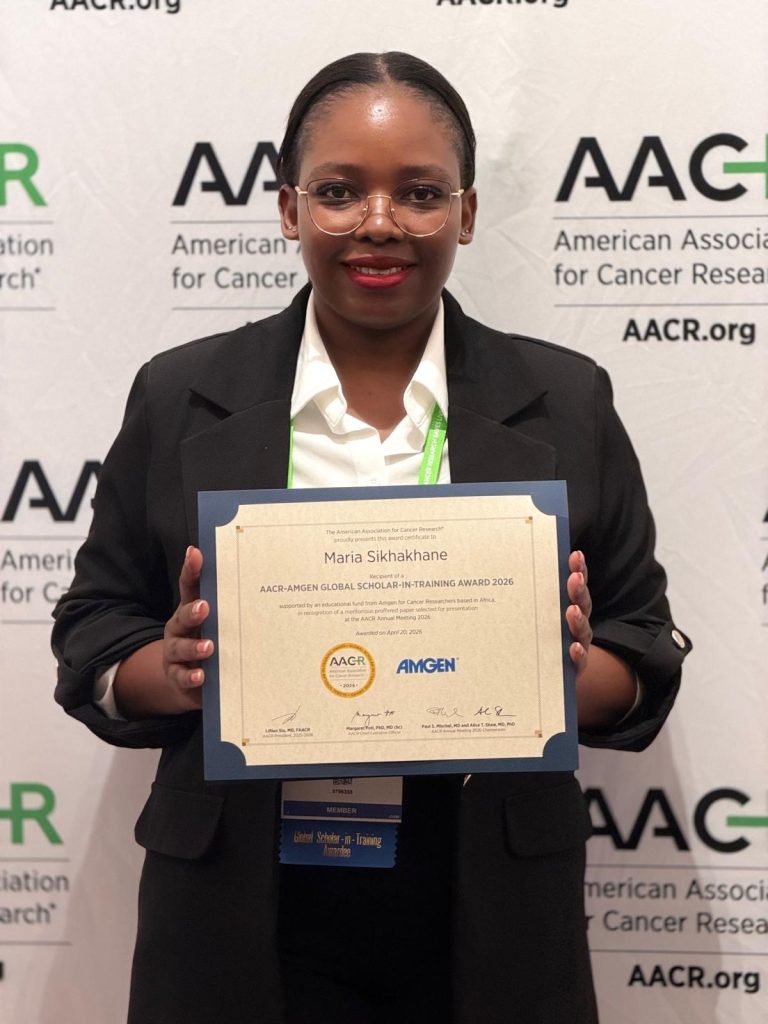 Sikhakhane was one of only five researchers selected globally for the 2026 GSITA cohort, and the sole recipient from South Africa. The award enabled her to present her research at the AACR Annual Meeting in San Diego, United States, a major international gathering that attracts approximately 22,000 cancer researchers each year. Reflecting on the experience, she said, “Presenting my work on such a global platform was both humbling and empowering. It affirmed the importance of research rooted in our local context but contributing to global scientific advancement.”
Her research focuses on ex vivo drug sensitivity testing in primary cells derived from South African gynaecological cancer patients. This work contributes to precision oncology by identifying treatments that are more effective for specific patient populations. “Our goal is to move towards more personalised cancer treatment strategies that reflect the biological diversity of our population,” she explained. “Too often, African patients are underrepresented in global datasets, which limits the relevance of treatment approaches.”
As part of the GSITA programme, Sikhakhane participated in a scholar visit to the UC San Diego Moores Cancer Centre, where she engaged with leading researchers and explored how scientific discoveries are translated into patient care. She also visited Amgen in Thousand Oaks, gaining insight into the full drug development pipeline. “Seeing the journey from discovery to manufacturing gave me a deeper appreciation of how multidisciplinary collaboration drives innovation in healthcare,” she noted.
 Beyond the immediate experience, the GSITA programme offers continued engagement, including participation in the African Organisation for Research and Training in Cancer International Conference in 2027. This ongoing support aims to strengthen leadership development and foster regional collaboration among African researchers. Sikhakhane emphasised the importance of such initiatives, stating, “Sustained investment in African researchers is critical if we are to address the continent’s unique cancer burden effectively.”
In addition to her doctoral studies, Sikhakhane serves as a laboratory technician and part-time lecturer at SMU, where she teaches across multiple pharmaceutical science disciplines and supervises student research. Her academic journey includes qualifications in biotechnology from the Vaal University of Technology, reflecting a strong foundation in both research and applied science.
She also highlighted the broader significance of global engagement for local researchers. “I strongly encourage emerging scientists to affiliate with international organisations such as the AACR,” she said. “These platforms not only expand collaboration opportunities but also amplify the visibility of African research.”
Sikhakhane’s achievement underscores SMU’s growing role in advancing impactful, globally relevant health research. Through its commitment to excellence in teaching, learning, and innovation, the university continues to develop scientists who are not only contributing to knowledge production but also shaping the future of healthcare in South Africa and beyond.
By Tumelo Moila
by Lorato | Apr 23, 2026 | All News, Alumni, SMU Media, Student Media
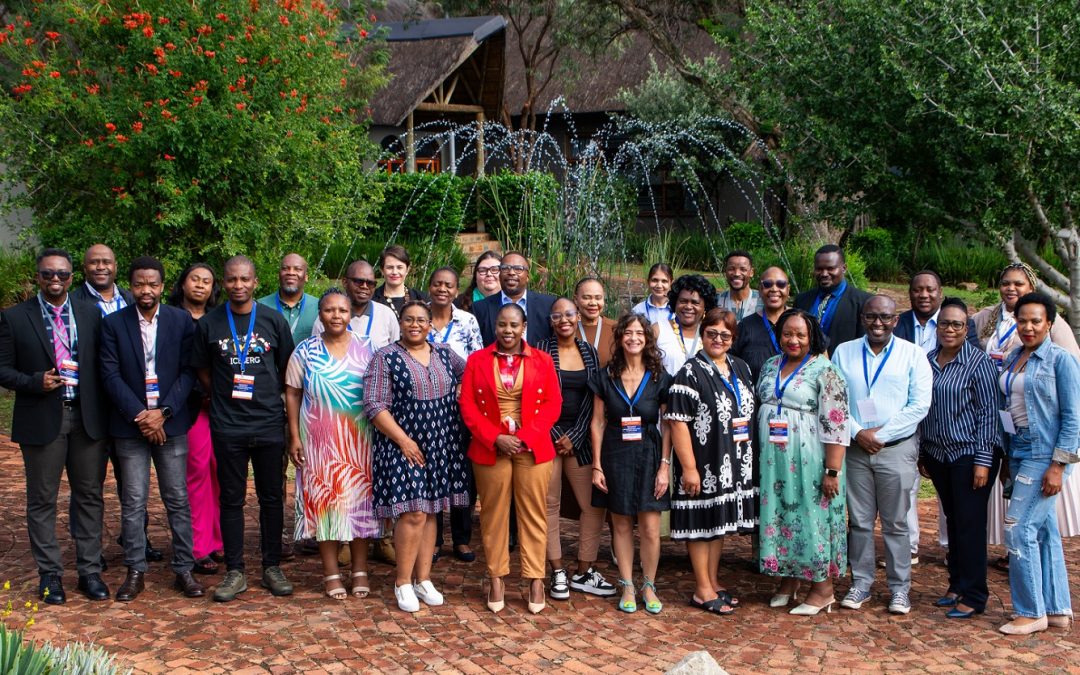
Sefako Makgatho Health Sciences University (SMU) took centre stage in advancing the future of Historically Disadvantaged Institutions (HDIs) as it hosted the 7th Networking Workshop of the South African Historically Disadvantaged Institutions Alliance (SAHDIA) from 20–21 April 2026. Bringing together senior leaders, policymakers and academics, the two-day engagement positioned SMU as a catalyst for strategic dialogue on sustainability in higher education.
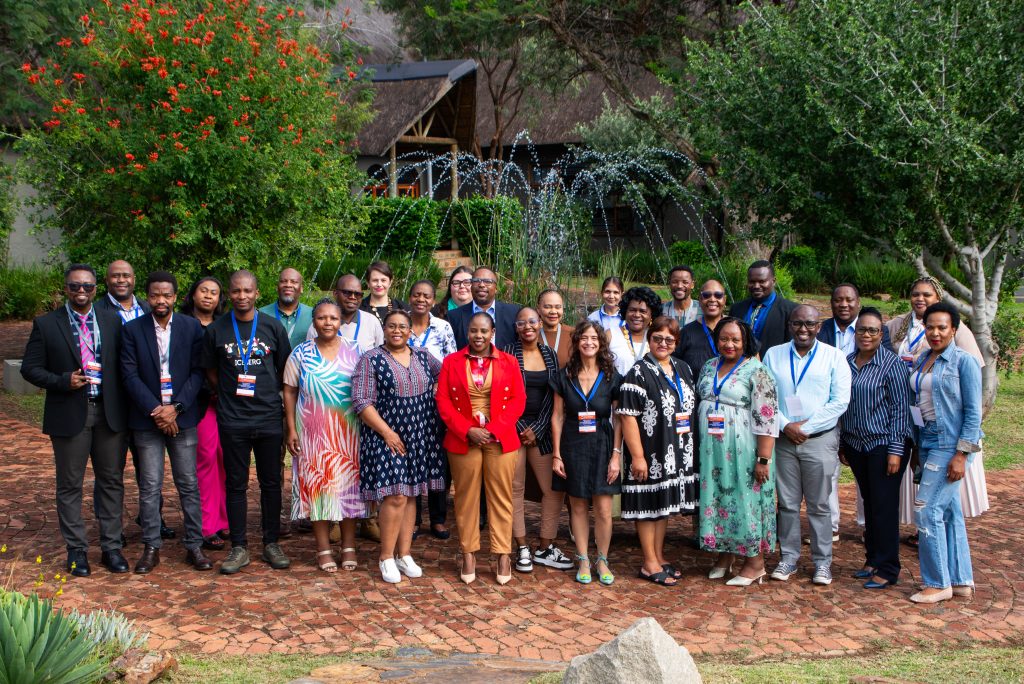 Anchored on the theme “Navigating the Funding for Sustainability Landscape: Opportunities for HDIs,” the workshop moved beyond diagnosis of systemic constraints to focus on practical, actionable solutions. Discussions were characterised by intellectual depth and a shared sense of urgency to reposition HDIs within an increasingly competitive funding landscape.
Delivering the keynote address, Professor Thandi Lewin, Deputy Director-General at the Department of Higher Education and Training (DHET), set a clear and pragmatic tone. “The sustainability of Historically Disadvantaged Institutions will not be secured through traditional funding models alone; it requires agility, innovation, and a deliberate alignment with national development priorities,” she said. Her remarks underscored a shift from dependency to strategic positioning, urging institutions to reassess their approach to funding ecosystems.
Professor Lewin further highlighted the critical role of collaboration in unlocking opportunities. “Funding opportunities do exist within the system, but they are increasingly competitive and partnership-driven. Institutions must position themselves not in isolation, but as part of a cohesive and strategic collective,” she added. This call resonated strongly with delegates, reinforcing SAHDIA’s relevance as a unifying platform for collective advancement.
In her welcome address, SMU Vice-Chancellor Professor Tandi Matsha-Erasmus framed the workshop as both reflective and forward-looking. “Historically Disadvantaged Institutions carry the weight of history, but they also hold the promise of transformation. It is through platforms such as SAHDIA that we begin to convert that promise into measurable impact,” she noted. Her message positioned SMU not only as a host but as an active contributor to shaping a transformed higher education landscape.
Emphasising the university’s commitment to partnership-driven growth, she added: “This gathering is not merely about dialogue; it is about forging partnerships that will redefine our institutions as centres of excellence, innovation, and societal relevance.” The statement aligned with SMU’s broader mission of advancing health sciences education through collaboration and impact.
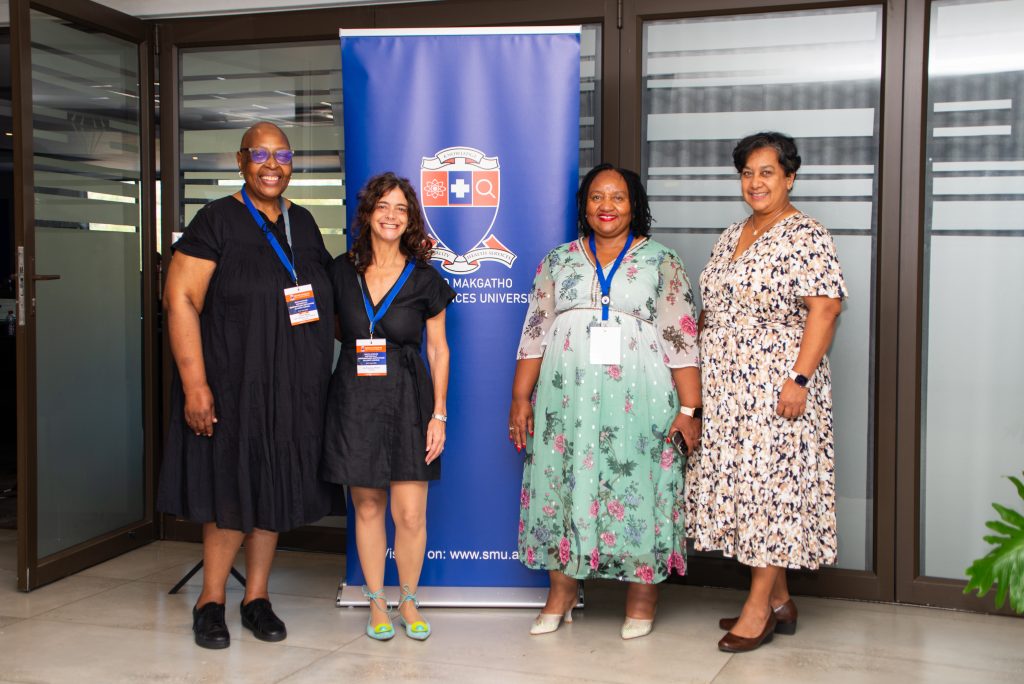 Chairing the workshop, Professor Nosisi Feza, Deputy Vice-Chancellor for Research and Internationalisation at Walter Sisulu University, ensured continuity and strategic focus throughout the proceedings. She called for a shift from discussion to implementation, stating: “SAHDIA must evolve beyond being a platform for engagement into a mechanism for coordinated action. Our strength lies in our ability to move together, with purpose and clarity.”
Her emphasis on governance and structural alignment further sharpened the conversation. “If we are to influence the funding landscape meaningfully, we must first ensure that our own governance frameworks are robust, responsive, and future-oriented,” she said during panel deliberations.
Day 2 built on this momentum, expanding the funding conversation into research impact, international collaboration and open science. The workshop culminated in a forward-looking panel on collaborative projects, where institutions outlined shared priorities and concrete initiatives.
Closing the engagement, SMU’s Acting Deputy Vice-Chancellor for Academic and Research, Professor Dini Mawela, reflected on the outcomes with measured optimism. She noted that the discussions had “laid a strong foundation for actionable partnerships that will shape the future of HDIs.”
The SAHDIA workshop ultimately affirmed SMU’s role as a convener of critical conversations and a driver of institutional transformation. By fostering strategic alignment, strengthening partnerships and advancing innovative funding approaches, the university continues to position itself at the forefront of shaping a sustainable and equitable higher education system in South Africa.
By Dimakatso Modise
by Lorato | Apr 23, 2026 | All News, Alumni, SMU Media, Student Media
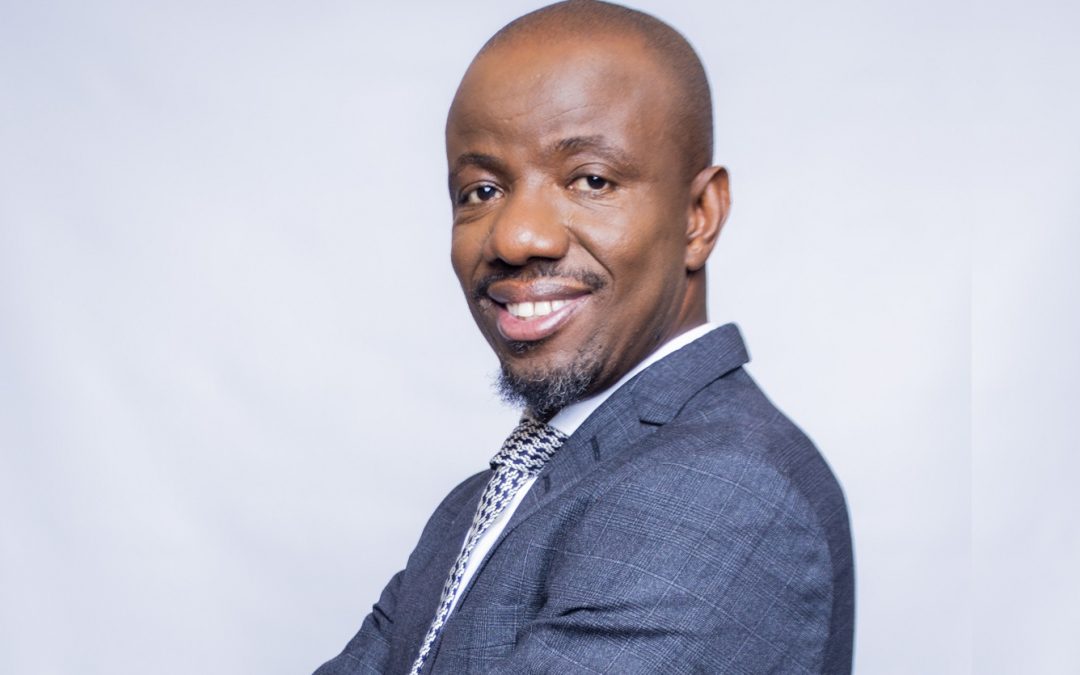
Sefako Makgatho Health Sciences University continues to shape leaders across Africa, and few stories capture this impact as powerfully as that of Dr Tiro Mampane. President and founder of the Boitekanelo Group of Companies. A graduate of Medical University of Southern Africa, now SMU, Dr Mampane completed his Bachelor of Medicine and Bachelor of Surgery in 2003 and has since built a transformative healthcare education enterprise in Botswana.
 Raised in Bontleng, a small township in Gaborone, Dr Mampane credits his entrepreneurial roots to his family. “I grew up in an entrepreneurial family. My grandmother owned a tuckshop selling magwinya, and that’s where I acquired my early business instincts,” he recalls. “Bontleng is a community where education, hard work and service to others are highly valued. Those early experiences shaped my desire to contribute meaningfully to my country.”
His decision to pursue health sciences was shaped by witnessing inequality in healthcare access. “As a child, I saw the challenges families faced in accessing quality healthcare. I wanted to be part of a profession that not only heals, but uplifts communities,” he says. This passion would later drive him to establish Boitekanelo College, creating pathways into healthcare careers for others.
Dr Mampane’s academic journey was influenced by strong role models, particularly his mother. “Her strength, discipline and sacrifices laid the foundation for everything I have achieved,” he says. He also acknowledges mentors such as Ms Nkwane and Mr Jim Ngambi, who encouraged him to “dream beyond my circumstances”.
Choosing MEDUNSA was a deliberate step. “It had a reputation for excellence and for producing professionals who make a difference across Africa. I wanted an environment grounded in service and social responsibility,” he explains. His time at the institution proved formative. “The university challenged me intellectually and taught me discipline, perseverance and leadership,” he says, adding that exposure to diverse peers strengthened his belief in continental collaboration.
After graduating, Dr Mampane worked at Princess Marina Hospital during the height of the HIV/AIDS pandemic. Confronted with a severe shortage of healthcare professionals, he made a pivotal decision. “I realised I could make a greater contribution by training the next generation,” he says. This led to the founding of Boitekanelo College.
Today, the institution stands as a significant force in Botswana’s health education landscape, with over 10,000 graduates and a strong employment rate. “Our mission is to change lives through quality healthcare education,” he says. “We focus not only on technical skills, but on compassion, ethics and accountability.”
A recent collaboration between SMU’s Department of Speech and Audiology and Boitekanelo College marks a full-circle moment. “As an alumnus, it is deeply meaningful to see my alma mater and Boitekanelo working together. It demonstrates the lasting value of relationships built at university,” he reflects.
Looking ahead, Dr Mampane emphasises the importance of African collaboration. “By working together, we can share knowledge, address common challenges, and strengthen health sciences education across the continent,” he says.
For current students, his message is clear: “Remain committed to excellence, never stop learning, and always remember the communities you serve.” His journey stands as a testament to SMU’s enduring role in developing leaders who drive innovation, expand access to healthcare, and transform lives across Africa.
By Tumelo Moila
by Lorato | Apr 23, 2026 | All News, Alumni, SMU Media, Student Media
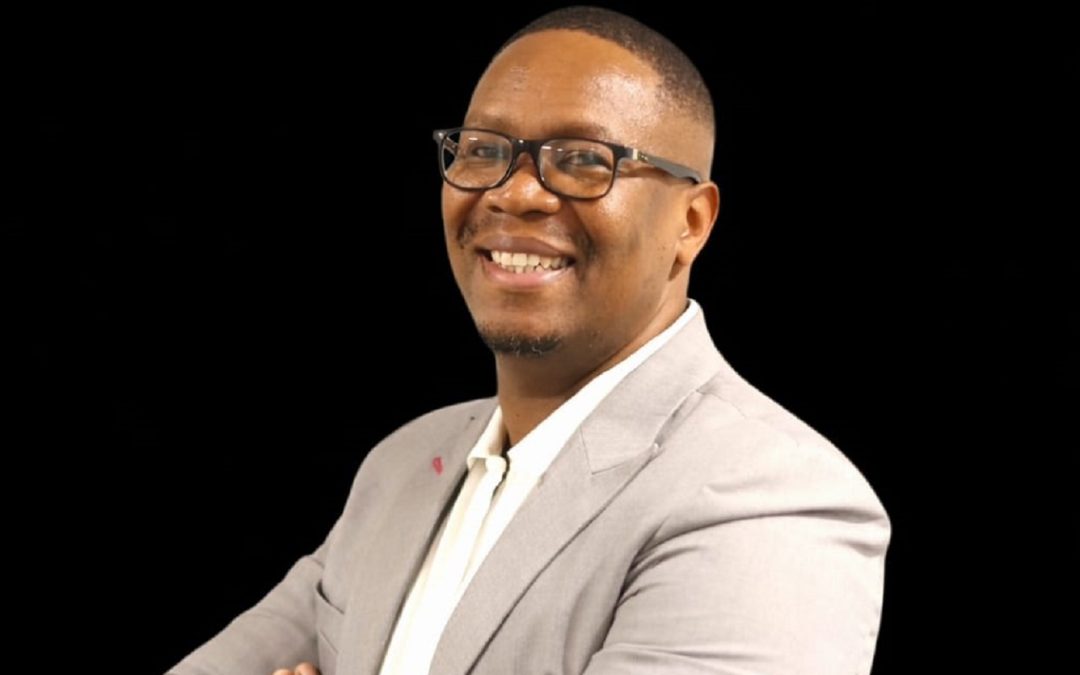
Sefako Makgatho Health Sciences University (SMU), formerly the Medical University of Southern Africa (MEDUNSA), continues to produce graduates who shape health systems far beyond South Africa’s borders. Among them is Dr Luvuyo Bayeni, an alumnus whose journey from clinical medicine to continental health leadership reflects the evolving role of doctors in strengthening public health systems across Africa.
 Dr Bayeni, who holds an MBChB from SMU and an MBA from Nelson Mandela University, has built a career that bridges frontline clinical care and strategic health governance. He currently serves as Chief Director for Human Resources for Health at South Africa’s National Department of Health, where he leads national workforce planning and policy development aimed at strengthening the resilience of the health system.
Speaking about his professional journey, Dr Bayeni reflects on the shift from clinical practice to systems leadership: “Medicine taught me to treat individuals, but leadership has taught me to treat systems. If we fix the system, we improve care for millions, not just one patient at a time.”
With over 21 years of experience, his career has spanned Obstetrics and Sexual and Reproductive Health, district health management, and senior executive roles, including Acting Chief Executive Officer, Clinical Manager for Surgery, and District Health Manager. His reputation for operational turnaround in challenging environments, particularly in the Eastern Cape, earned him the informal title “Dr Fix It”.
Dr Bayeni’s leadership foundation was shaped early during his time at SMU, where he was deeply involved in student governance. He served in multiple leadership roles, including four terms in the Student Representative Council and positions within SASCO and other student structures. These experiences, he says, were formative in understanding accountability and advocacy.
“Student leadership was my first exposure to governance. It taught me that leadership is not about position, but about responsibility to others,” he explains.
Beyond national government, Dr Bayeni extends his influence through DrB Talks, a platform he founded to drive conversations on health systems, leadership, and community development. The platform has featured discussions across media outlets, including Sowetan and TruFM, aiming to connect policy with public understanding.
At the continental level, he serves as Co-Chair of the Governance and Leadership Subcommittee of the African Union Health Workforce Task Team, contributing to efforts aimed at strengthening health workforce systems across member states. He is also a Fellow of the Africa Leadership Initiative, recognising his contribution to ethical and transformative leadership.
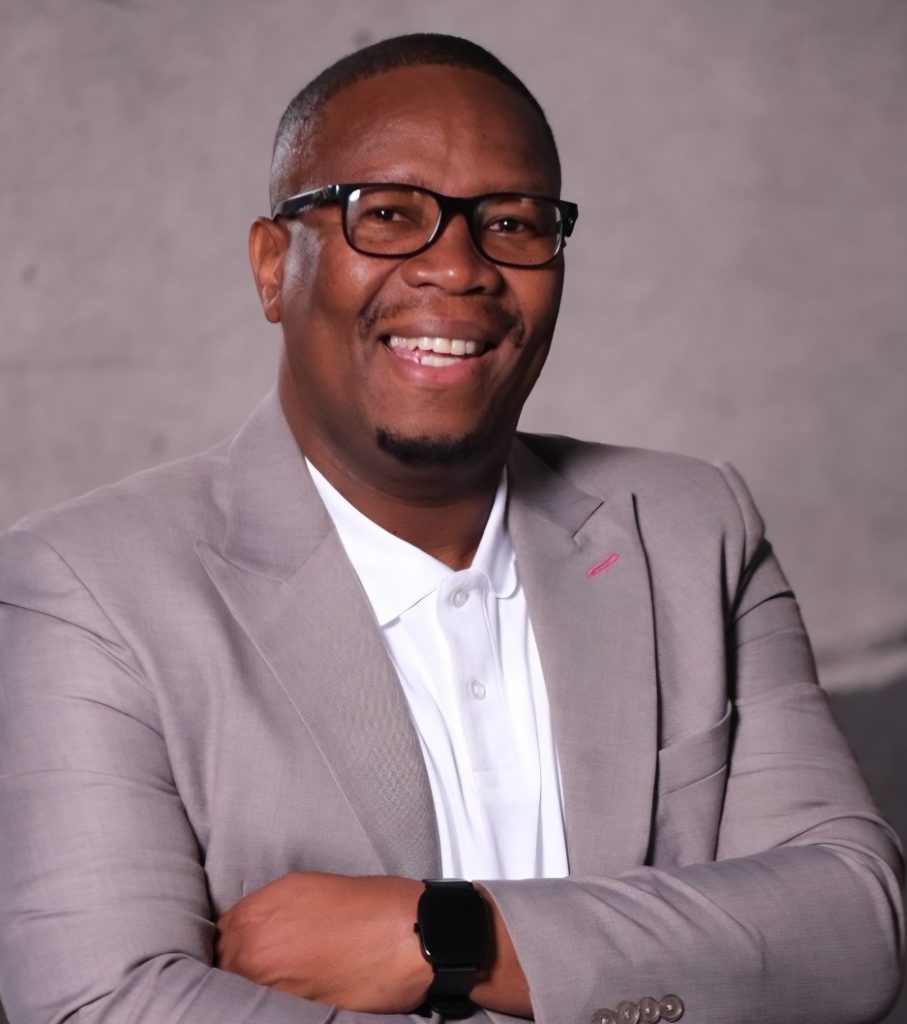 Reflecting on Africa’s health challenges, Dr Bayeni emphasises the need for collaboration and long-term thinking: “Africa’s health systems will not be strengthened by isolated interventions. We need coordinated leadership, investment in people, and sustained commitment to reform.”
In addition, he serves on governance structures, including the Board of Boxing South Africa and the Medical and Dental Board of the Health Professions Council of South Africa, contributing to regulatory oversight and professional standards.
Dr Bayeni’s journey illustrates a broader shift in health professions: the transition from individual clinical excellence to systemic leadership. His work demonstrates how clinicians can shape policy, governance, and workforce development at national and continental levels.
His story also reflects the enduring role of SMU in producing health professionals who are not only clinically competent but also equipped for leadership in complex systems. The university’s commitment to excellence, accountability, and innovation continues to be evident in the impact of its alumni across Africa’s health landscape.
Ultimately, Dr Bayeni’s career stands as a testament to the power of combining clinical expertise with visionary leadership. From hospital wards to national policy and African Union platforms, his work continues to advance the goal of equitable and resilient healthcare systems.
SMU remains central to this narrative, reinforcing its mission of transforming health sciences education and contributing meaningfully to the health and well-being of communities in South Africa and beyond.
By Dimakatso Modise
