by Lorato | Aug 26, 2026 | Accolades and Achievements, All News, Alumni, SMU Media, Student Media
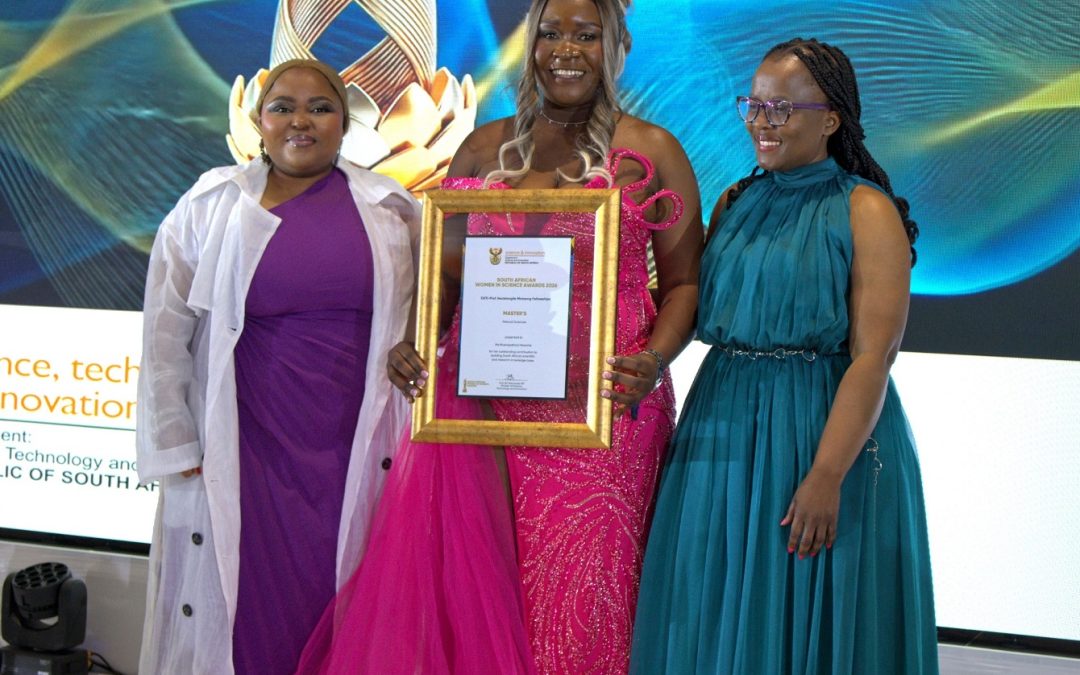
Sefako Makgatho Health Sciences University (SMU) alumna Mushayathoni Bridget Nwovhe has been awarded the DSTI Prof Keolebogile Shirley Motaung Master’s Fellowship, in recognition of her academic excellence, research potential, and contributions to science, innovation, and public engagement.
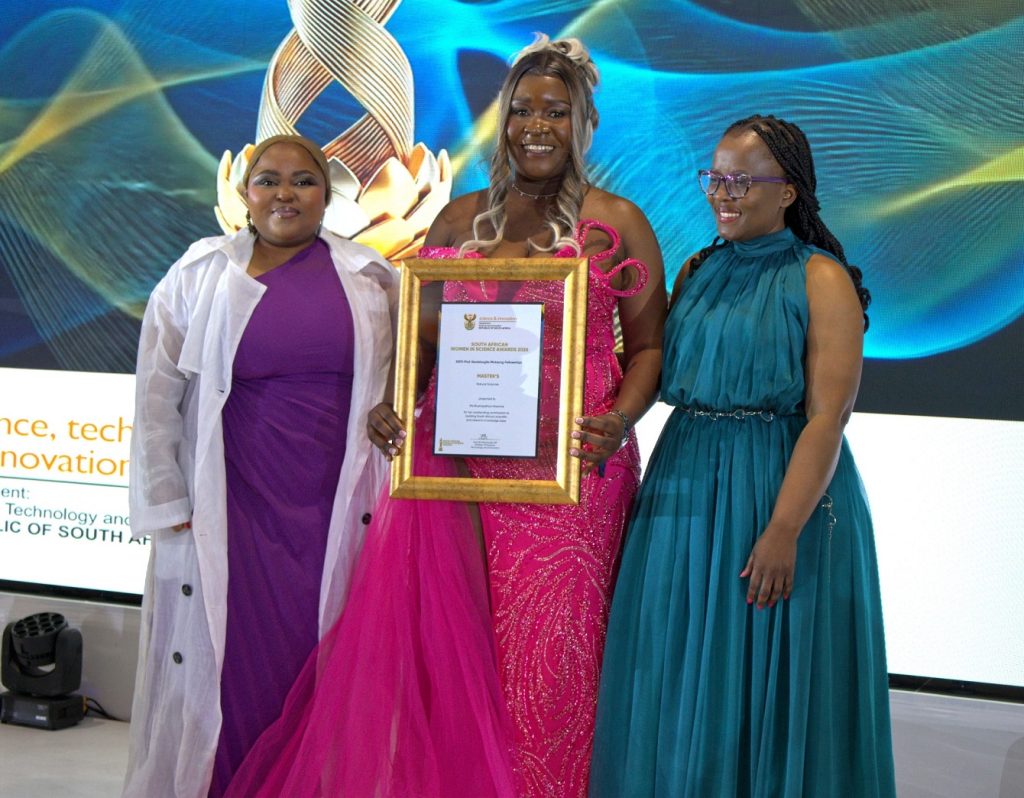 Nwovhe is among the recipients of the fellowship presented through the South African Women in Science Awards (SAWiSA), an annual Women’s Month initiative that celebrates outstanding South African women in science, technology and innovation while encouraging the next generation of women and girls to pursue careers in these fields.
Named in honour of the late Professor Keolebogile Shirley Motaung, one of South Africa’s distinguished Black women scientists and academics, the fellowship supports young women pursuing master’s and doctoral degrees. It recognises strong academic performance and research potential.
For Nwovhe, the fellowship represents another milestone in an academic journey defined by multidisciplinary scholarship, perseverance and a commitment to making an impact beyond traditional scientific disciplines.
In 2025, she achieved a rare distinction of completing two postgraduate qualifications in the same year, graduating from SMU in Haematological Pathology and from the University of South Africa (UNISA) in Microbiology.
Her research interests span microbiology, virology, haematological pathology, infectious diseases, maternal and neonatal health, antimicrobial resistance and medical research. Her work has subsequently earned recognition through the 2026 SAWiSA programme.
Nwovhe credits her time at SMU with playing a significant role in the development of her research capabilities. “I also thank the SMU Haematological Pathology Department, Professor Vanessa Moodley, and Dr Abegail Dlova. They trained me for research.”
 Her academic trajectory began with strong performance at secondary school, where she completed Grade 12 as one of the top performers in her circuit. That foundation developed into a sustained pursuit of academic excellence and intellectual growth.
Her interests have also extended beyond the health sciences. In 2020, Nwovhe was selected by Masterstart, a collaborative online platform for executives and business professionals, as one of the young people whose leadership values reflected the legacy of former President Nelson Mandela. Through a programme funded by the Clicks Group, she completed a postgraduate course in Artificial Intelligence at the Gordon Institute of Business Science (GIBS), adding technology and innovation to her multidisciplinary portfolio.
Her commitment to international engagement has similarly broadened her perspective. In 2025, she attended a United Nations conference in Thailand, where she was appointed Global Ambassador of Peace. She also participated as a delegate at the Future Action Summit in Malaysia, engaging with issues linked to the United Nations Sustainable Development Goals.
Nwovhe’s achievements extend into the literary sphere. She is an author and poet who has written five books and co-authored Tapping into Poetry. Her work has appeared in the Sol Plaatje European Union Poetry Anthologies and on various literary platforms, exploring themes including identity, memory, healing, imagination, culture and the human experience.
The fellowship adds to an already distinguished record of recognition. In 2025, Nwovhe was named Sunday World Heroic Woman of the Year in Science, Technology and Innovation, following her receipt of the Sunday World Unsung Hero Award in 2023. Her earlier achievements include the South African Shining Star Award and participation in the Black Women in Sciences Fellowship Programme.
Her progression from an SMU postgraduate student to a multidisciplinary scientist, researcher, author and award recipient reflects the possibilities that emerge when academic excellence is combined with curiosity, innovation and a commitment to broader societal impact.
For SMU, Nwovhe’s achievement also reflects the University’s role in developing health professionals and researchers equipped to contribute meaningfully to science, innovation, and society.
The DSTI Prof Keolebogile Shirley Motaung Master’s Fellowship, therefore, represents more than just another accolade in Nwovhe’s growing portfolio. It marks the continued advancement of a researcher whose work crosses disciplinary boundaries and demonstrates that excellence in science can extend into leadership, literature, public engagement and community impact.
By Tumelo Moila

by Lorato | Aug 26, 2026 | Accolades and Achievements, All News, Alumni, SMU Media, Student Media
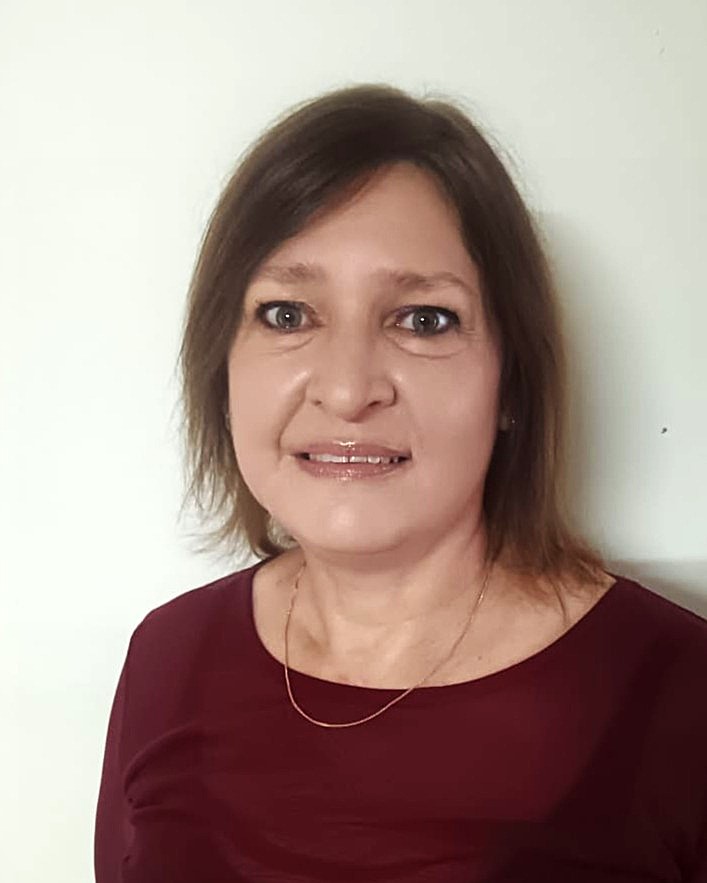
Professor Elmien Bronkhorst, Associate Professor and Head of the Department of Clinical Pharmacy at Sefako Makgatho Health Sciences University (SMU), has been awarded a C2 researcher rating by the National Research Foundation (NRF), recognising her established record of research productivity and contribution to clinical pharmacy.
 The NRF C2 category is reserved for established researchers who have demonstrated sustained recent productivity and are recognised by their peers for the quality and coherence of their research. The assessment also considers a researcher’s ability to conceptualise research problems and apply appropriate methodologies to investigate them.
According to the NRF criteria, C2 applicants are those for whom all reviewers are firmly convinced that they are established researchers. The category also recognises researchers who may have international recognition for the quality and impact of their recent research outputs.
Bronkhorst said the rating was significant in recognising her research journey and the contribution of her work to clinical pharmacy in South Africa. “Receiving the NRF C2 rating is both an honour and a humbling recognition of my research contributions. It affirms the value of sustained scholarship, collaboration, and a commitment to generating evidence that addresses meaningful healthcare challenges. For me, this recognition is not only a reflection of past achievements but also a motivation to continue mentoring emerging researchers and contributing research that can improve patient care and health outcomes,” said Bronkhorst.
Prof Bronkhorst has been based at SMU’s School of Pharmacy since March 2014. Her academic responsibilities include teaching in the Bachelor of Pharmacy (BPharm) and postgraduate Clinical Pharmacy programmes, supervising doctoral, master’s and undergraduate research projects, supporting research funding applications and contributing to statistical analysis.
She holds a PhD in Pharmacy from SMU, awarded between 2016 and 2019. Her doctoral research examined the practice of clinical pharmacy in private and public hospitals in South Africa, including the working environment and education of clinical pharmacists, the functions of specialist pharmacists, and guidelines for implementing clinical pharmacy services.
Her research output has continued to expand, with publications in 2026 addressing areas including dry eye disease management, respiratory tract infections, ischaemic heart disease, drug-related problems in South African hospitals and antibiotic prescribing in primary healthcare.
Her recent research has also examined antimicrobial stewardship, HIV treatment, medication errors, smoking and vaping cessation, insomnia, and the role and implementation of clinical pharmacy services in South Africa.
Prof Bronkhorst said her research is closely linked to improving pharmaceutical care and strengthening clinical pharmacists’ contribution to patient care. “My research focuses on advancing clinical pharmacy practice to improve patient outcomes through the safe, effective, and responsible use of medicines. A particular area of interest is antimicrobial stewardship, including HIV-positive patients, which plays a critical role in preserving the effectiveness of life-saving antibiotics, combating antimicrobial resistance, and ensuring that patients receive the right treatment at the right time. Ultimately, my goal is to generate evidence that supports better clinical decision-making and contributes to safer, higher-quality healthcare,” she explains.
She has also contributed to the development of future pharmacists through postgraduate research supervision. In 2026, students under her supervision have undertaken research into antibiotic dose adjustments, antiretroviral stewardship, medication errors and drug interactions, and the use of second-generation antibiotics in private clinical practice.
Her professional achievements include selection for the Future Professor’s Programme Cohort 2 for 2024–2025 and receiving the SMU Vice-Chancellor Teaching and Learning Award in 2021.
Prof Bronkhorst said the recognition also reflected the importance of collaboration, mentorship, and the development of the next generation of researchers. “One of the most rewarding aspects of academia is contributing to the development of future researchers and enhancing the future of the profession of Clinical Pharmacy. Through student supervision and collaborative research, I aim not only to generate new knowledge but also to cultivate curiosity, a commitment to lifelong learning, and a commitment to evidence-based practice. Investing in young researchers is an investment in the future of healthcare and scientific advancement, and it is highly satisfying to see students excel.”
The C2 rating adds a significant research accolade to Prof Bronkhorst’s career spanning clinical practice, teaching, postgraduate supervision, academic leadership and research focused on strengthening pharmaceutical care and patient outcomes in South Africa.
By Tumelo Moila.

by Lorato | Aug 26, 2026 | Accolades and Achievements, All News, Alumni, SMU Media, Student Media
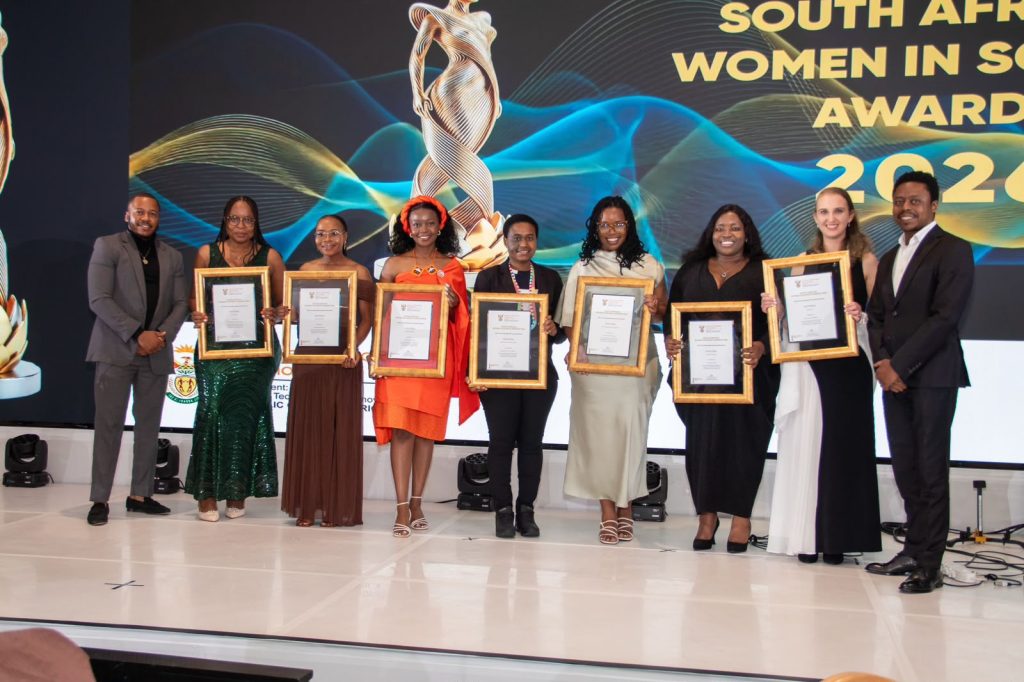
Nondumiso Nkosi, a PhD candidate and Junior Lecturer in Medical Virology at Sefako Makgatho Health Sciences University (SMU), has been awarded a 2026 South African Women in Science Awards (SAWiSA) Doctoral Fellowship, recognising her contribution to infectious disease diagnostics and innovation.
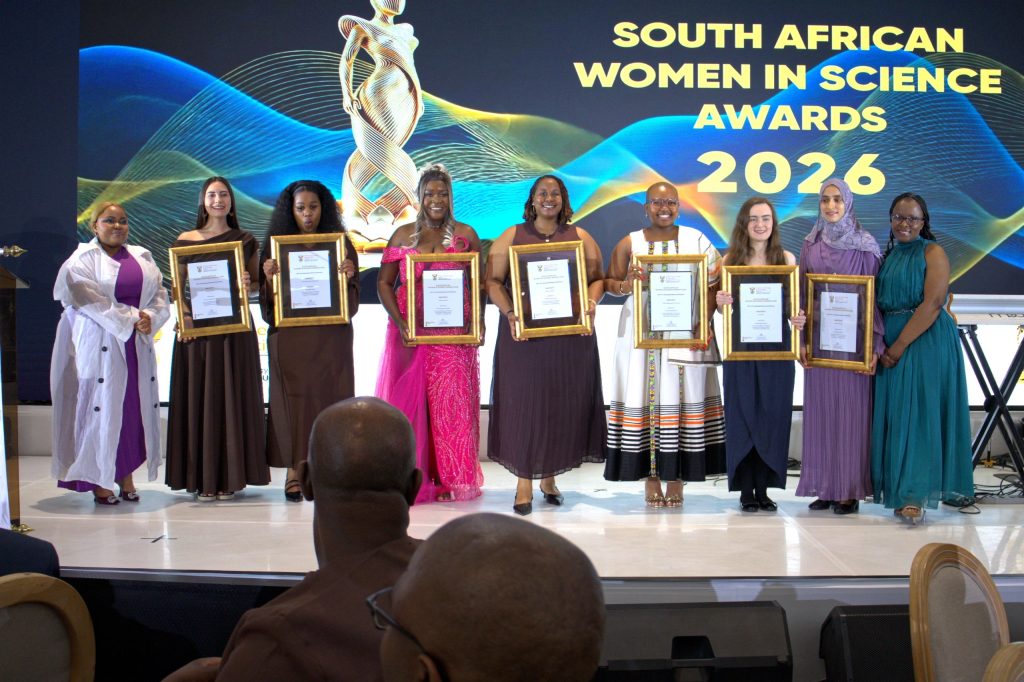
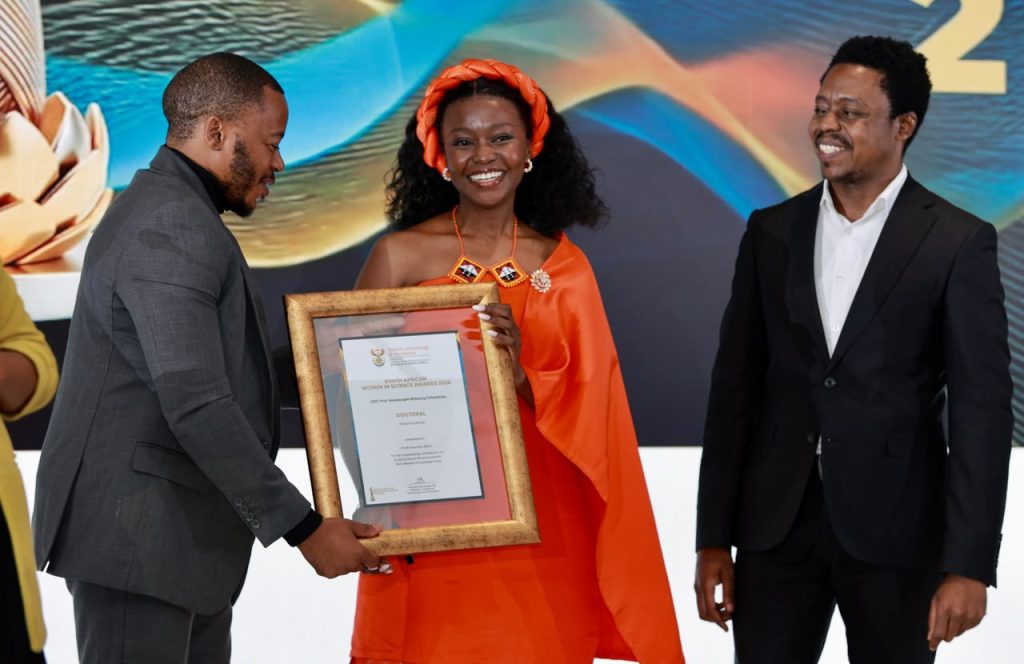 Nkosi is among seven emerging and established women researchers recognised through the Professor Keolebogile Shirley Motaung Fellowships for research addressing critical social, economic, environmental and scientific challenges facing South Africa. The awards, celebrated annually during Women’s Month, recognise excellence in science, technology and innovation (ST&I) and aim to inspire more women and girls to pursue careers in these fields.
The fellowships, renamed in honour of the late Professor Shirley Keolebogile Motaung, one of South Africa’s distinguished black women scientists and academics, support young women pursuing master’s and doctoral degrees. The awards recognise academic excellence and research potential while promoting innovation and mentorship.
At SMU, Nkosi’s research focuses on viral hepatitis and HIV, with particular attention to hepatitis B virus diagnostics and the detection of occult hepatitis B infection. She is optimising and validating HepaSure Diagnostics, a novel assay designed to enable rapid, decentralised and cost-effective disease detection, particularly in resource-limited settings.
Her work seeks to address limitations in existing hepatitis B screening approaches while improving access to inclusive diagnostic technologies. Nkosi believes the research could contribute to earlier disease detection, reduce healthcare inequalities and strengthen locally developed biotechnology solutions. She is also a patent holder for the diagnostic assay and has received several innovation and scientific awards.
Reflecting on the fellowship, Nkosi described the recognition as more than a personal achievement. “This accolade does not just belong to me. It belongs to every community, mentor, and family member who paved the path for me to step into the light.”
 She credited her family, particularly her mother, for providing the encouragement and resilience that shaped her scientific journey. “They invested their unwavering faith in me when all I had was an ambitious dream,” Nkosi said, describing her family as her “very first research funders”.
The fellowship adds to a series of achievements for Nkosi in 2026, following recognition through the CIPC IP Youth Award: Women Shaping IP, the Innovation Hub’s GAP Medical Awards and the Early-Stage Enactus South Africa National Exposition. She said these achievements were built on years of perseverance and lessons from setbacks.
Nkosi also acknowledged the contributions of the SMU community, including the Department of Virology, the Economic Activation Office (EAO), the Research and Innovation Office, the Technology Transfer Office, supervisors, mentors, and colleagues.
Her message to aspiring scientists is centred on perseverance, learning and confidence. “Your background does not define your limits. Your resilience matters. Your voice matters. Never be afraid to take up space in science.”
For SMU, Nkosi’s achievement reflects the university’s commitment to excellence, innovation and research that contributes to health and well-being. Her work demonstrates the institution’s broader role in developing scientific solutions with the potential to move beyond the laboratory and make a meaningful difference in communities.
By Tumelo Moila
by Lorato | Aug 26, 2026 | All News, Alumni, SMU Media, Student Media
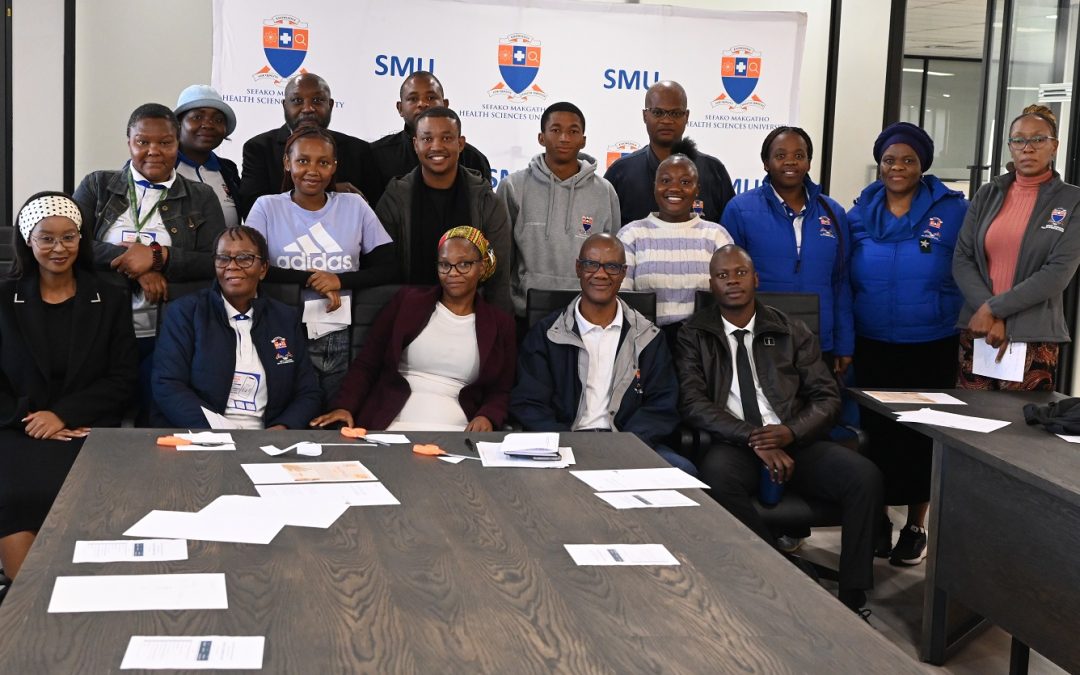
Sefako Makgatho Health Sciences University (SMU) used World Left-Handers’ Day 2026 to promote inclusion, awareness and understanding, bringing staff and students together to explore the everyday realities of living and working in a predominantly right-handed world.
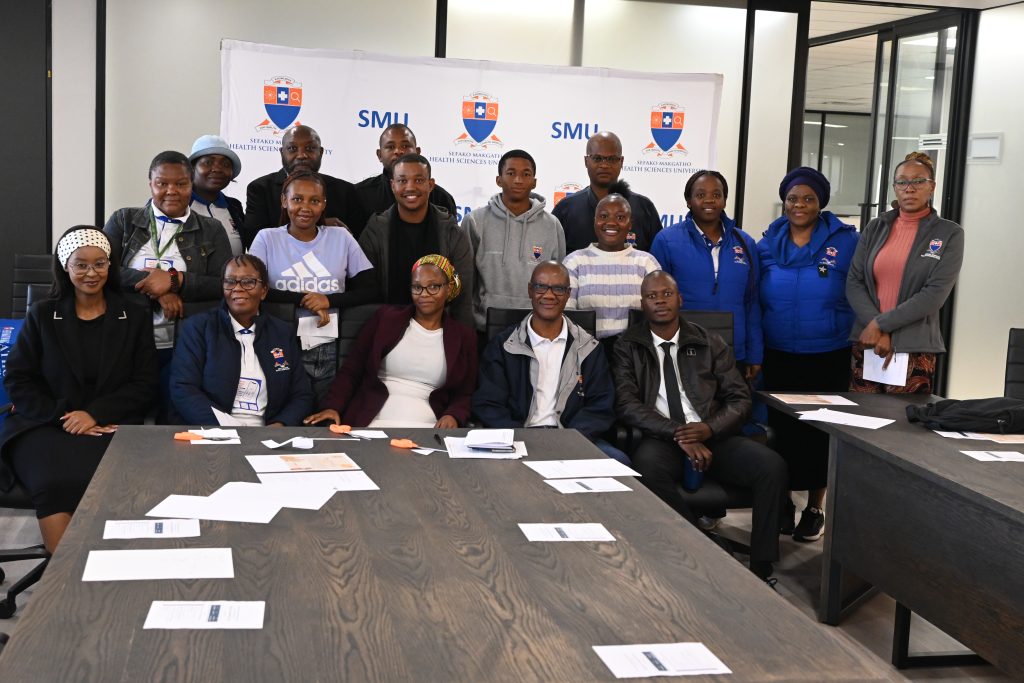 Hosted by Library and Information Services, the programme combined professional insight, personal testimonies and practical activities to highlight the experiences of left-handed individuals and the importance of creating environments that accommodate different ways of interacting with the world.
Patrick Motiang, Acting Senior Librarian: Information Services, welcomed attendees and introduced a programme focused on awareness, understanding and inclusion.
The guest speaker, Mahlako Makhubela, Lecturer in the Department of Occupational Therapy, provided an occupational therapy perspective on left-handedness. She explained that while left-handedness is not a limitation, many everyday environments, tools and activities are designed predominantly for right-handed users.
“Left-handedness is not a limitation; however, we need to recognise that many of the environments, tools and activities we use every day are designed with right-handed people in mind,” said Makhubela.
She noted that seemingly ordinary tasks, including writing, cutting with scissors and using certain equipment, can become challenging when environments are not designed to accommodate individual needs. From an occupational therapy perspective, she emphasised the importance of understanding how people engage with their everyday surroundings and adapting activities where necessary.
The “Living Left-Handed” testimony session provided staff and students with an opportunity to share personal experiences. Kwena Moloto, Librarian: Technical Services (Cataloguing), reflected on the social challenges he experienced growing up as a left-hander, including pressure from his family to navigate being different.
Second-year Physiotherapy student Success Baloyi offered a student perspective, highlighting the practical challenges of being left-handed, including her experience learning to drive. Her reflections reinforced the importance of recognising how everyday systems and activities can affect people differently.
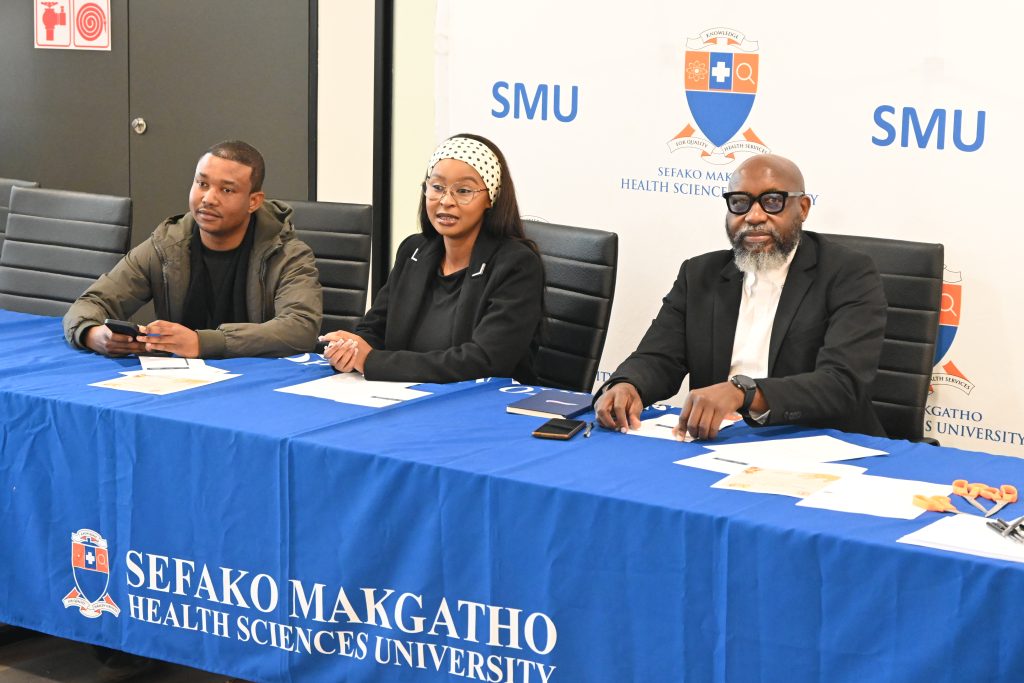 The programme then moved from discussion to practical engagement. Participants were challenged to perform familiar activities using their non-dominant hand, including writing, drawing and using scissors. The exercises demonstrated how seemingly simple activities can become difficult when approached in unfamiliar ways.
Facilitated by SMU alumni Moalosi Makoea and Bakang Tsubane, the interactive session encouraged participation while reinforcing the programme’s central message: inclusion requires more than recognising differences; it requires understanding and responding to them.
The commemoration concluded with closing remarks from Mittah Masilela, Senior Librarian in the Acquisitions Department, who thanked the speakers, participants and organisers for contributing to the programme.
For SMU, World Left-Handers’ Day provided an opportunity to advance its commitment to respect, diversity and an inclusive university community. By combining occupational therapy expertise with lived experiences and practical learning, the programme encouraged greater empathy and awareness of barriers that may otherwise go unnoticed.
The commemoration affirmed that creating an inclusive environment begins with recognising individual differences and ensuring that everyone can participate meaningfully. In doing so, SMU continues to promote a university culture grounded in respect, dignity, student-centredness and Ubuntu.
By Dimakatso Modise
by Lorato | Aug 26, 2026 | All News, Alumni, SMU Media, Student Media
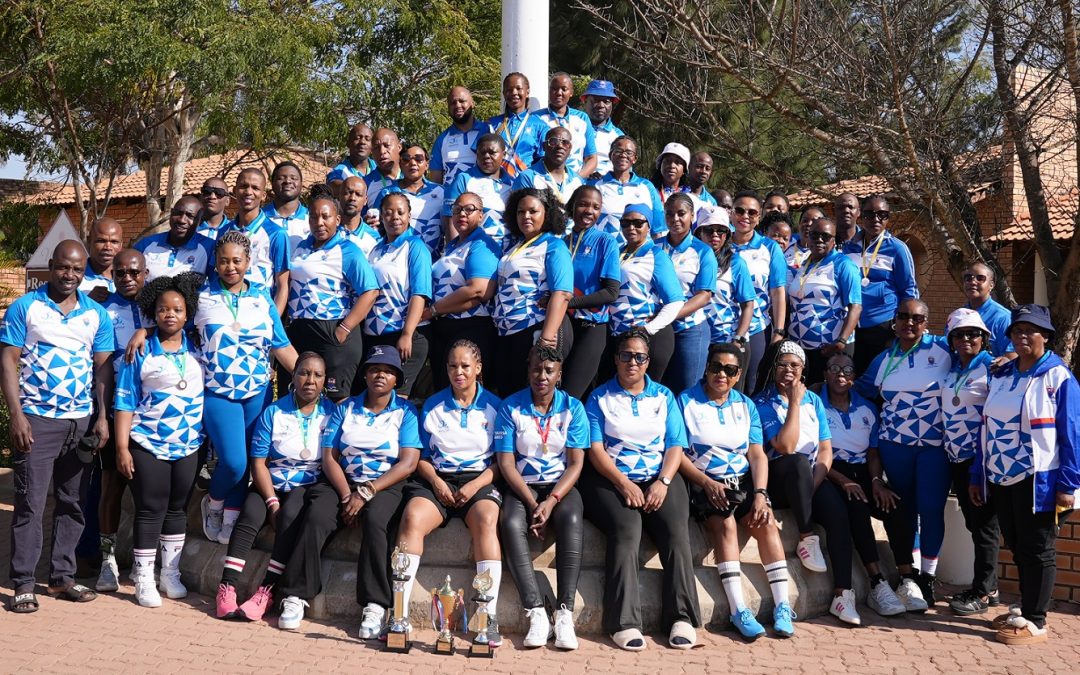
Members of the Sefako Makgatho Health Sciences University Staff Sports Association (SMUSSA) delivered impressive performances across multiple sporting codes at the 4th Annual Prof Mahlo Mokgalong Staff Sports Games, showcasing the University’s commitment to employee wellness, collegiality and institutional pride.
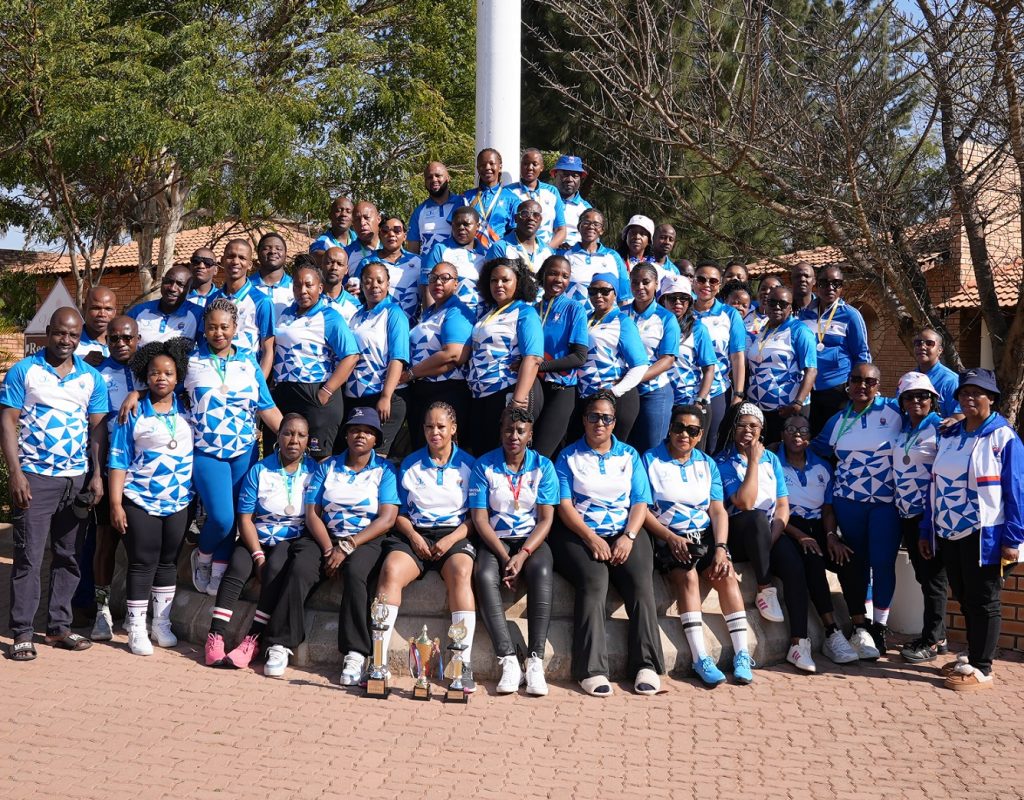 Hosted by the University of Limpopo Staff Sports Association (ULSSA) on 22 August 2026, the tournament was held at the Oscar Mpetha Sport Complex at the University of Limpopo and brought together staff teams from universities, government departments and other institutions across the province. The annual games honour the legacy of former University of Limpopo (UL) Vice-Chancellor Prof Mahlo Mokgalong while promoting healthy competition, social cohesion and professional networking.
SMUSSA fielded teams in athletics, aerobics, netball, volleyball, tennis, darts, football and super pool. Across the different codes, SMU staff displayed determination, discipline and sportsmanship, reinforcing the value of sport in building a healthy and connected university community.
The athletics contingent produced some of SMUSSA’s strongest results of the day. Lethabo Modau claimed first place in the 10km race, while Dimakatso Molokomme emerged victorious in the 5km event. The 5km race also saw Dorothy Ndou secure second place, followed by Minah Mogamme in third and Francinah Mmamabolo in fourth.
SMUSSA continued its strong showing in the team events. The aerobics team secured second position overall, while the netball team finished as runners-up behind ULSSA, with Glencore taking third place. In volleyball, SMUSSA claimed third position, finishing behind ULSSA and Botswana International University of Science and Technology.
The tennis team finished fourth with eight points, while the darts team also secured fourth position. Although the football and super pool teams did not progress to the knockout stages after finishing third in their respective groups, their participation contributed to SMU’s broad representation and competitive presence at the tournament.
 SMUSSA Chairperson Caroline Moeletsi, who also serves as Deputy Secretary General of the Southern Africa Universities Staff Sports Association (SAUSSA), praised the teams for their commitment and collective spirit.
“I was extremely pleased with the performance of our teams. What stood out for me was not only the results, but the commitment, unity and enthusiasm demonstrated by our staff throughout the games,” said Moeletsi. “These platforms are important because they promote wellness while creating opportunities for staff from different institutions to build meaningful professional and social connections.”
SMUSSA Public Relations Officer Kgomotso Tsiane similarly commended the teams for their resilience, discipline and sportsmanship, emphasising the role of staff sport in strengthening wellness and camaraderie across the University. Volleyball team manager Seipati Mabusela also welcomed the team’s third-place finish in a highly competitive field.
More than a sporting contest, the games provided an opportunity for staff from participating institutions to network, strengthen professional relationships and foster social cohesion. For SMU, the event also supported the University’s institutional values of excellence, respect, Ubuntu and effective leadership by creating opportunities for staff to connect beyond their usual professional roles.
The performances achieved by SMUSSA, particularly in athletics, aerobics, netball and volleyball, reflect the depth of sporting talent and enthusiasm among SMU staff. They also reinforce the University’s commitment to employee well-being as an important component of a vibrant institutional culture.
Through initiatives that promote wellness, collaboration and social cohesion, SMU continues to strengthen a connected university community while advancing its broader mission of excellence in health sciences education, innovative research and service to society.
By Dimakatso Modise
by Lorato | Aug 26, 2026 | All News, Alumni, SMU Media, Student Media
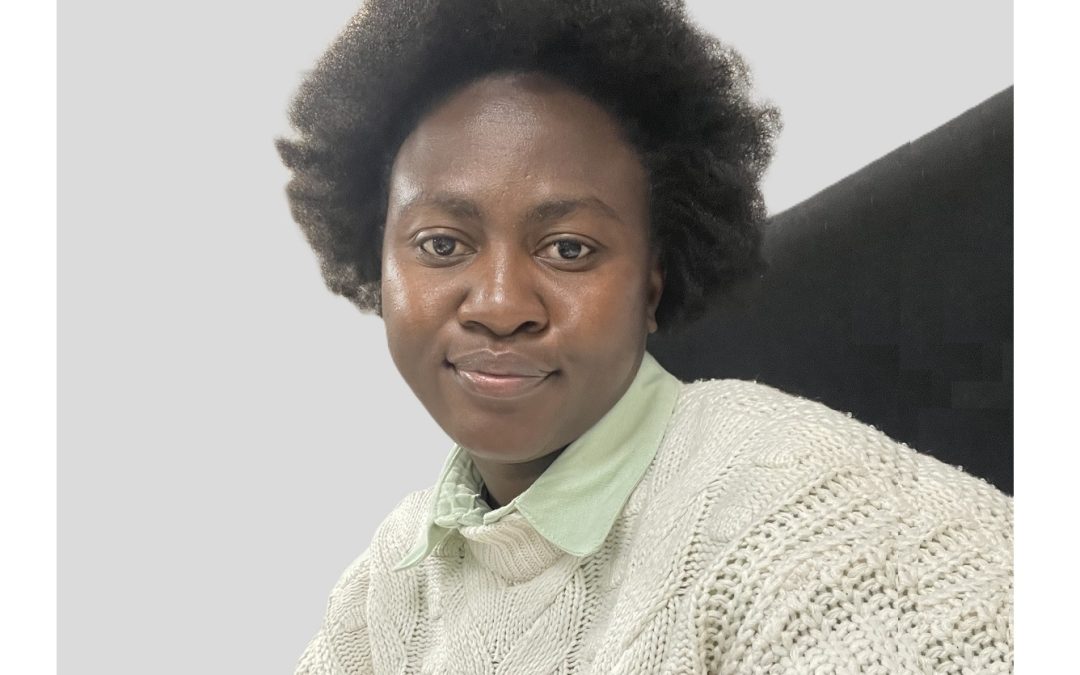
Sefako Makgatho Health Sciences University (SMU) has appointed procurement professional Tintswalo Elizabeth Makhubele as a Procurement Officer, strengthening its Supply Chain Management (SCM) team with effect from 1 August 2026.
 Makhubele joins SMU with experience in public-sector procurement, supplier management, sourcing, tender administration and SCM compliance. Her appointment adds further expertise to the team responsible for supporting the university’s procurement operations and ensuring responsible management of institutional resources. “We are excited to welcome her to the SMU community and believe she will be a valuable addition to our team,” said Walter Maleyana, Deputy Director: Supply Chain Management.
Makhubele brings several years of procurement experience gained in regulated public-sector and higher-education environments. Before joining SMU, she served as a Junior Buyer at the University of South Africa (UNISA), where she managed procurement requirements across areas including ICT, media, legal services, laboratories, conferencing and catering, stores, audio-visual services and university estates.
Her responsibilities included obtaining quotations, creating purchase orders, facilitating approvals, monitoring deliveries, conducting supplier sourcing and market research, and supporting tender and quotation evaluation processes. She also assisted stakeholders with procurement specifications and provided guidance on SCM procedures.
Her earlier role as a Supply Chain Management Intern at the Information Regulator South Africa provided additional experience in a regulated procurement environment. There, she sourced quotations from Central Supplier Database-registered suppliers, conducted supplier verification and compliance checks, processed purchase orders and coordinated deliveries.
Makhubele also gained experience in inventory management, tender administration, payment documentation, invoice and purchase order matching, and SCM recordkeeping. These responsibilities strengthened her understanding of procurement controls, accurate documentation and procedural compliance. “Effective procurement is not simply about purchasing goods and services. It is about ensuring that every procurement decision is properly supported, transparent and aligned with institutional requirements,” said Makhubele.
Her academic qualifications include a Bachelor of Commerce in Supply Chain and Operations Management, completed at UNISA in 2022, and a Bachelor of Commerce Honours in Business Management, completed in 2026.
 Her professional capabilities include strategic sourcing, supplier relationship management, contract administration, RFQ and tender administration, supplier evaluation, procurement reporting, inventory management, demand management and audit readiness. She is proficient in Oracle Procurement, SAP, LOGIS and I-Procurement, as well as Microsoft Office applications.
Makhubele’s appointment aligns with SMU’s institutional values of accountability, efficiency, integrity, and excellence. These principles underpin the university’s commitment to effective stewardship of resources and strong institutional governance. “As a health sciences university, SMU has a responsibility to ensure that its resources are managed efficiently and with integrity. Strong procurement practices contribute directly to creating an environment in which teaching, learning, research and healthcare-related initiatives can succeed,” said Makhubele.
Her appointment further supports SMU’s efforts to maintain efficient systems and sound governance in support of its core mandate. Through skilled professionals and effective institutional practices, the university continues to strengthen the foundations for excellence in health sciences education, research and healthcare in South Africa.
By Tumelo Moila
by Lorato | Aug 26, 2026 | All News, Alumni, SMU Media, Student Media
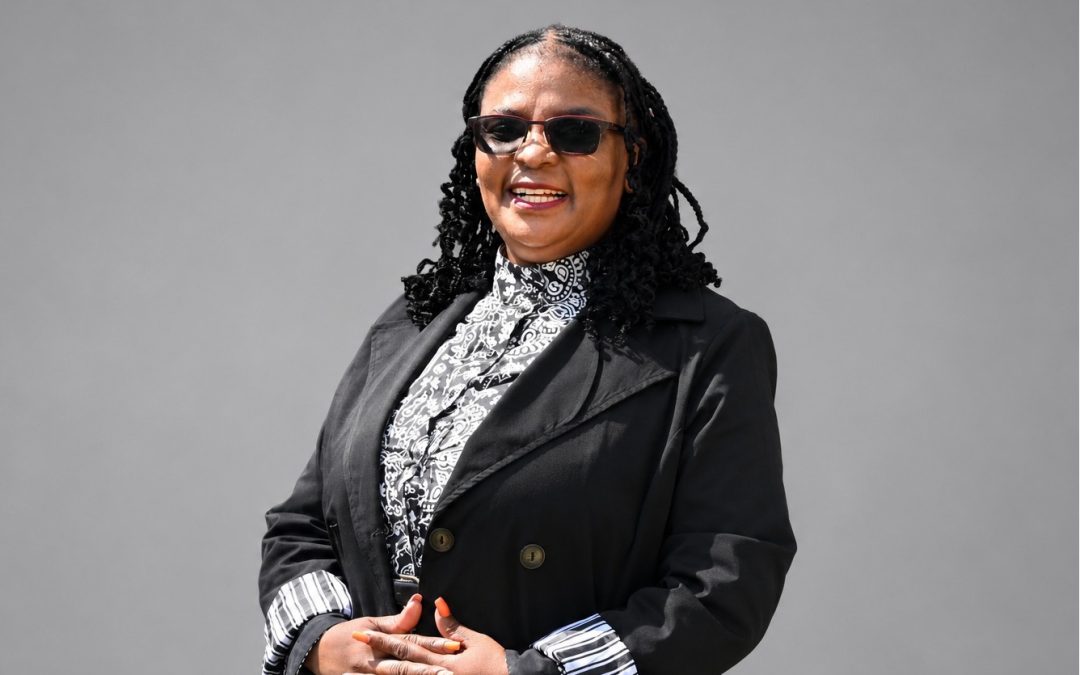
Sefako Makgatho Health Sciences University (SMU) has strengthened its governance, risk management and internal control capabilities with the appointment of Kolobetso Suzan Rankokwadi as Risk Management Specialist, effective 1 July 2026.
 Rankokwadi brings more than 25 years of professional experience spanning risk management, governance, compliance, financial management, internal controls and public sector administration. Her career includes strategic and managerial roles at the North West Department of Health, Gauteng Provincial Treasury, the Department of Justice, and private-sector organisations.
Before joining SMU, Rankokwadi served as Deputy Director: Risk Management at the North West Department of Health, where she led strategic and operational risk management initiatives. Her responsibilities included compliance monitoring, fraud prevention, enterprise risk management, and implementing and monitoring audit action plans.
Her appointment strengthens SMU’s capacity to anticipate and manage institutional risks while supporting sound governance, accountability and operational resilience. This is particularly important in higher education, where effective risk management is integral to sustainable institutional performance and informed decision-making.
Rankokwadi said her approach to risk management goes beyond compliance and should form part of an institution’s broader leadership and decision-making processes.
“Effective risk management is about creating an environment in which an institution can anticipate challenges, make informed decisions and pursue its strategic objectives with confidence,” she said. “It requires a culture of accountability, ethical leadership and continuous improvement.”
 Her expertise covers enterprise risk management, financial governance, budget management, policy implementation, stakeholder engagement, performance monitoring and regulatory compliance. These capabilities position her to contribute to SMU’s efforts to strengthen its governance architecture and institutional resilience.
Rankokwadi holds a Postgraduate Diploma in Health Systems Management from the University of Pretoria, a Postgraduate Diploma in Risk Management from the University of South Africa (UNISA), a Postgraduate Diploma in Public Financial Management from North-West University and a Bachelor of Commerce degree from North-West University.
She is also an Associate Member of the Institute of Risk Management South Africa (IRMSA). She has completed professional development programmes in areas including effective risk management, ethics in the public service and the Public Service Senior Management Service Pre-Entry Programme.
For Rankokwadi, joining SMU provides an opportunity to apply her experience at a specialised health sciences university that contributes to the development of health professionals and the advancement of health sciences.
“I am excited to join SMU and to contribute to an institution whose work has a direct bearing on the development of health professionals and the advancement of health sciences,” she said. “I look forward to working collaboratively with colleagues to strengthen risk management practices further and contribute towards a culture of sound governance and accountability.”
Tshepo Mofokeng, SMU Director: Internal Audit and Risk Management, welcomed the appointment, saying Rankokwadi’s experience would strengthen the directorate’s capacity.
“We are excited about Kolobetso’s appointment and the experience and expertise that she brings to the team,” said Mofokeng. “Her extensive background in risk management, governance and public sector administration will strengthen our capacity to identify and mitigate institutional risks while supporting sound decision-making across the university.”
Mofokeng added that risk management is most effective when embedded in an organisation’s everyday culture, rather than treated solely as a compliance function.
Rankokwadi’s appointment reinforces SMU’s commitment to accountability, integrity and operational excellence as it advances its mandate as a specialised health sciences university. By strengthening governance and risk management, the University is creating a sound institutional foundation to support excellence in health sciences education, research and healthcare advancement.
By Dimakatso Modise

by Lorato | Aug 20, 2026 | Accolades and Achievements, All News, Alumni, SMU Media, Student Media
Sefako Makgatho Health Sciences University (SMU) medical student Thapelo Mthimunye represented the university and South Africa at the prestigious 22nd South American Business Forum (SABF), held recently in Buenos Aires, Argentina.
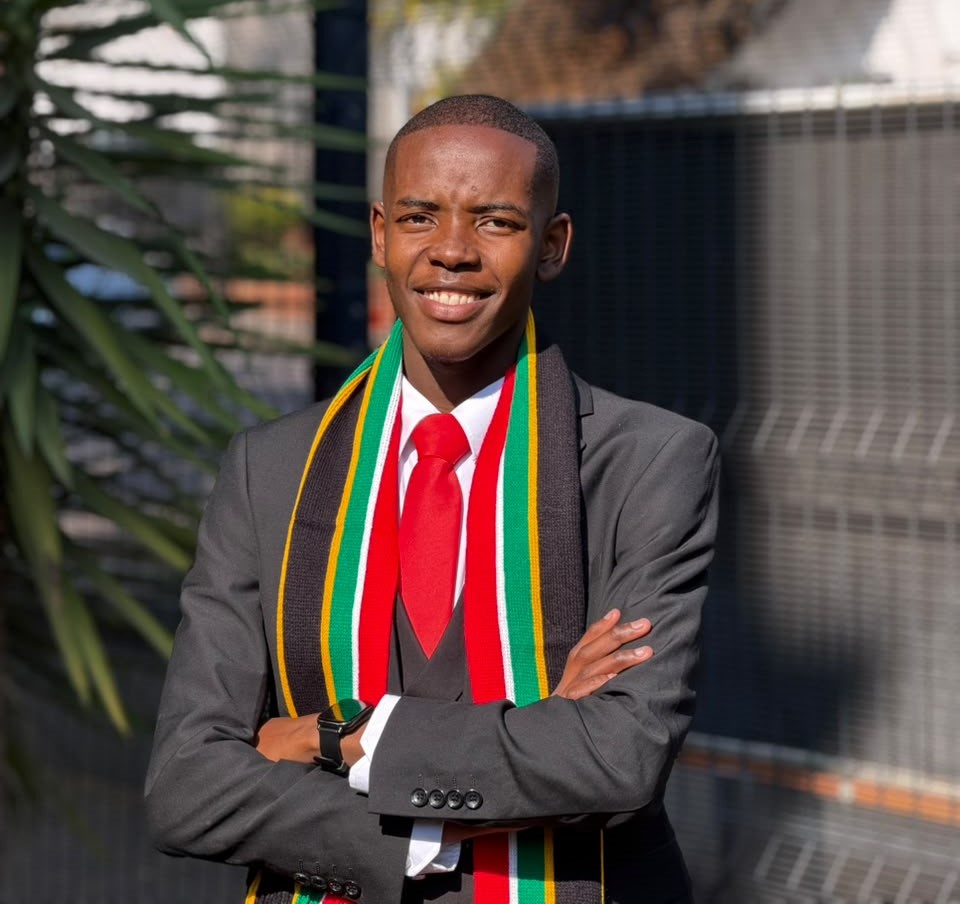 A fourth-year Bachelor of Medicine and Bachelor of Surgery (MBChB) student, Mthimunye was selected as one of only 100 delegates from around the world following a competitive selection process that assessed academic excellence, leadership potential, extracurricular achievements and commitment to social impact.
Hosted annually by students of the Instituto Tecnológico de Buenos Aires (ITBA), SABF brings together young leaders, entrepreneurs, academics, innovators and students to engage with contemporary global challenges. This year’s forum, themed “Designed to Desire”, explored how design, innovation, technology, business and leadership can shape human behaviour and society.
For Mthimunye, the forum provided an opportunity to bring a South African and healthcare perspective to an international platform while engaging with delegates from diverse disciplines and backgrounds. “As a medical student, my interest in attending the forum extended beyond healthcare. I recognised that many of today’s global challenges require collaboration across multiple disciplines,” Mthimunye said.
The trip was also a personal milestone, marking his first international journey. Travelling from Johannesburg via Dubai and Rio de Janeiro, he described the experience as both exciting and transformative. His arrival in Buenos Aires exposed him to a different cultural and linguistic environment, where Spanish meant he had to rely on translation apps and other communication methods.
At SABF, Mthimunye participated in keynote sessions, workshops, student presentations, debates and collaborative discussions on innovation, entrepreneurship, artificial intelligence (AI), sustainability, leadership and the future of society.
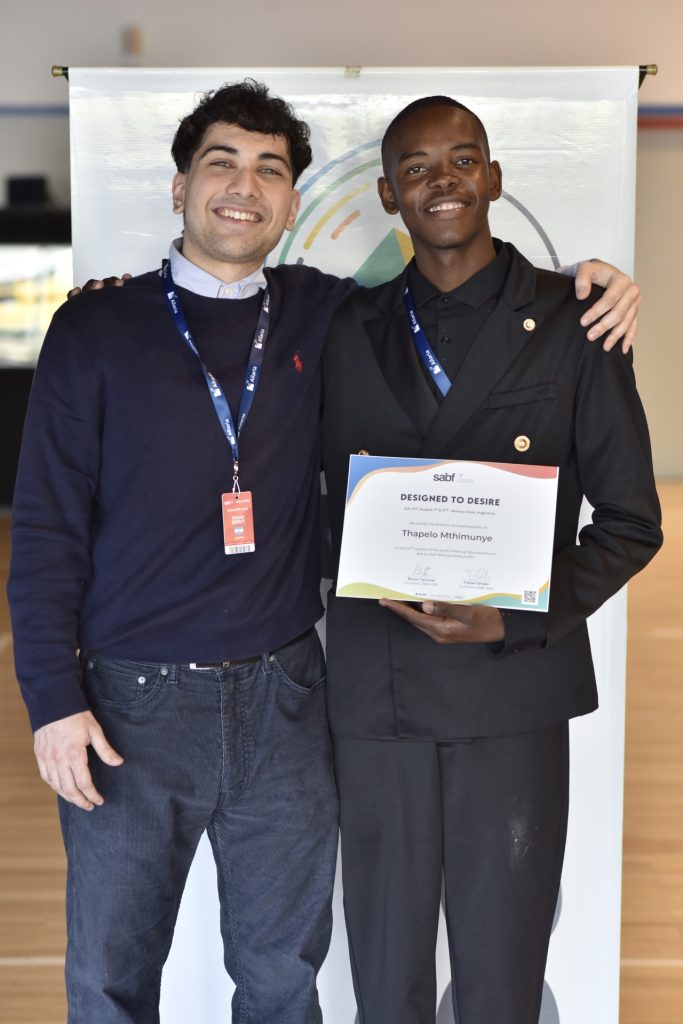 The programme challenged delegates to examine how innovation and technology can be applied responsibly to address human needs. Among the discussions was Sintoniza, a prototype that enables deaf people to experience music by converting musical notes into tactile vibrations, demonstrating how human-centred innovation can address barriers experienced by communities.
Mthimunye also participated in a debate on whether patents and copyrights should be prohibited for work primarily produced with AI assistance. He argued for continued intellectual property protection while recognising AI as a tool that can support human creativity, emphasising the need for appropriate legal and ethical frameworks.
The experience reinforced his view that complex challenges, particularly in healthcare, require collaboration across disciplines. “The conference demonstrated that healthcare professionals must work alongside experts from different sectors to develop innovative and sustainable solutions,” he said.
The forum also enabled Mthimunye to establish connections with young leaders from countries including Tanzania, Ghana, the United Kingdom, Singapore, Brazil, Argentina, Chile, Peru, Russia and the United States of America. “Participating in discussions, asking questions, contributing to debates, and sharing my perspectives with delegates from around the world gave me confidence that students from SMU and South Africa can contribute meaningfully to global conversations,” he said.
Mthimunye plans to share his experience with fellow students through report-back sessions, encourage innovation and critical thinking, promote awareness of international opportunities and explore potential collaborative projects through his international network. “Many students possess the potential to compete internationally but may hesitate due to self-doubt or lack of awareness. I hope that sharing my experience will inspire others to believe in themselves and pursue similar opportunities,” he said.
His participation demonstrates SMU’s commitment to student development and internationalisation. Mthimunye expressed appreciation to the Office of Internationalisation, led by Dr Carlien Jootse, and the Student Affairs Department for their support.
His achievement underscores SMU’s role in preparing future healthcare professionals to engage confidently beyond the clinical environment and contribute South African perspectives to global conversations on innovation, leadership and sustainable solutions.
By Dimakatso Modise

by Lorato | Aug 20, 2026 | Accolades and Achievements, All News, Alumni, SMU Media, Student Media
Sefako Makgatho Health Sciences University (SMU) is strengthening its international partnerships through academic engagements that translate institutional agreements into practical opportunities for teaching, research, professional development and community engagement.
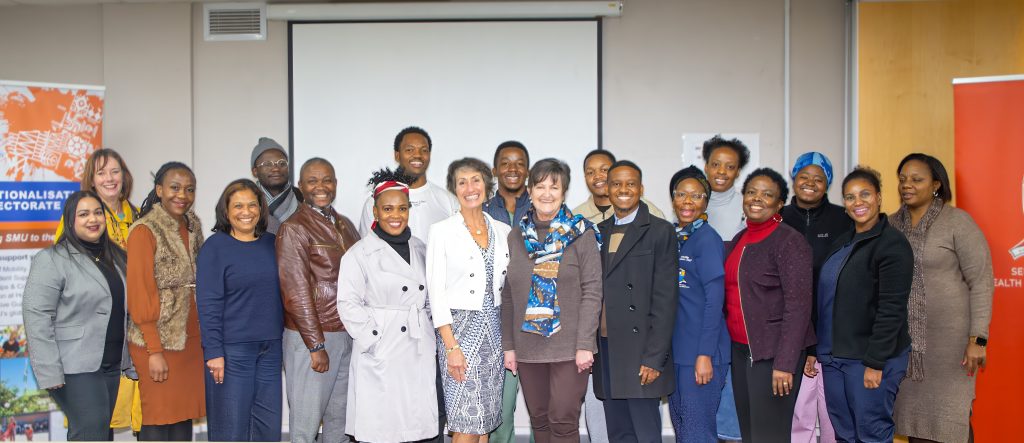 Recently, SMU’s Internationalisation Directorate welcomed Professor Mary Lou Galantino from Stockton University in the United States for her second visit to the university. The engagement formed part of ongoing efforts to operationalise the Memorandum of Understanding (MOU) signed between SMU and Stockton University earlier this year.
Prof Galantino is a Distinguished Professor of Physical Therapy at Stockton University, where she coordinates an interdisciplinary Integrative Health Minor. She is also a Specialist Fulbright Award recipient whose research focuses on mitigating disability associated with HIV and cancer through collaborative research. She is a visiting professor at the University of the Witwatersrand and has contributed extensively to her field, with more than 100 publications and over 250 professional presentations to interdisciplinary audiences.
Her visit to SMU comprised a dual-focus programme involving the Interprofessional Education and Collaborative Practice (IPECP) Unit, its coordinators and student champions, and the Department of Physiotherapy.
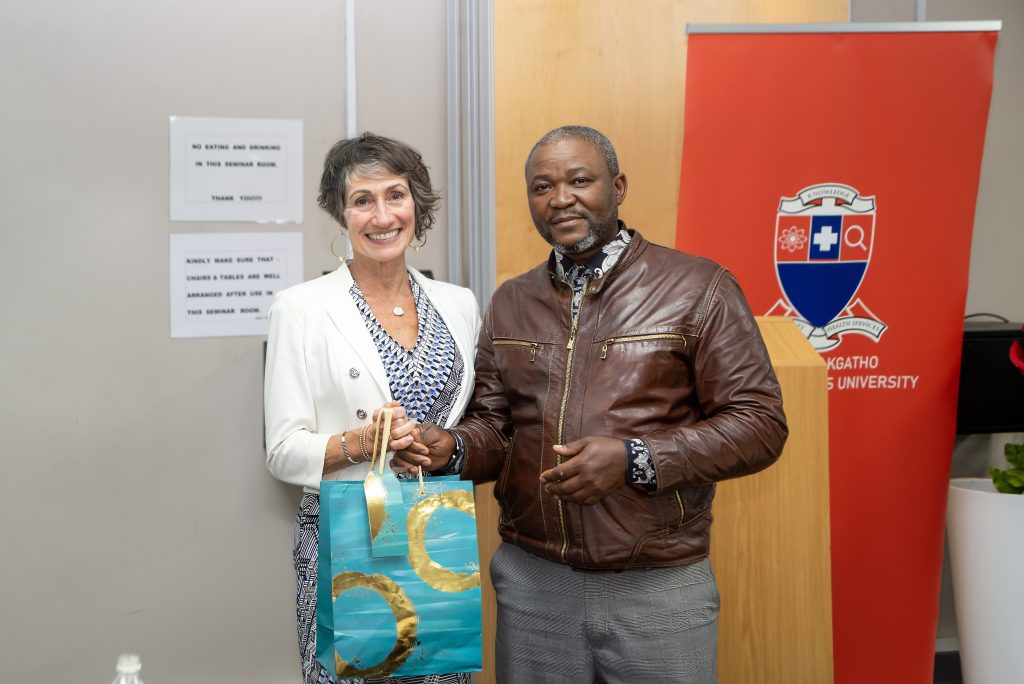 The engagement with the IPECP Unit provided an opportunity for robust discussions on interprofessional education and collaborative practice. Participants exchanged perspectives and explored opportunities to strengthen interdisciplinary approaches to health sciences education and professional practice.
Prof Galantino also engaged with the Department of Physiotherapy, where she delivered a presentation on physiotherapy, service learning and community engagement. The presentation stimulated discussions on the role of community physiotherapy and the importance of preparing health professionals to respond effectively to healthcare needs beyond traditional clinical environments.
The discussions also addressed the ongoing re-curriculation of the Physiotherapy programme, including opportunities to strengthen postgraduate education. One area explored was the potential development of a coursework Doctor of Physiotherapy programme in South Africa.
Reflecting on the engagements, Prof Galantino said the discussions provided a strong foundation for continued collaboration. “We had robust discussions at every level, and I am happy to assist as we advance further together with our MOU and plans articulated at our engagements,” she said.
The visit also demonstrated the value of the university-wide MOU between SMU and Stockton University. The agreement provides for joint educational, training and research activities; the exchange of scholars for lectures, visits and knowledge sharing; participation in conferences, symposia and seminars; the exchange of information in areas of mutual interest; and the exchange of faculty, research personnel, and undergraduate and postgraduate students for study and research.
Discussions towards the MOU began during Prof Galantino’s first visit to SMU last year. Following the initial engagement, the Internationalisation Directors of both institutions continued discussions, culminating in the signing of the agreement earlier this year.
Dr Carlien Jooste, Director: Internationalisation at SMU, emphasised that university-wide agreements should create opportunities for collaboration across different academic areas. “Activities like this allow for MOUs to become operational and a living document on a campus. As a university-wide MOU, we look forward to assisting other staff in engaging with Stockton University,” said Dr Jooste.
The partnership provides Schools and Departments with opportunities to identify areas of mutual interest and develop collaborative initiatives with Stockton University. This approach ensures that internationalisation is embedded across the university rather than being limited to a single academic discipline.
Prof Galantino’s second visit represents an important step in strengthening the partnership and creating opportunities for knowledge exchange and collaboration in physiotherapy, interprofessional education, cultural exchange, research and community engagement.
As SMU expands its international footprint, partnerships such as this demonstrate the university’s commitment to building mutually beneficial relationships that support academic excellence, innovation, and the advancement of health sciences education and practice.
By Dimakatso Modise

by Lorato | Aug 20, 2026 | All News, Alumni, SMU Media, Student Media
Sefako Makgatho Health Sciences University (SMU) student leader and Diagnostic Radiography junior researcher, Enos Motaka Malatji, is set to represent the university at the Pan African Youth Conference 2026 on Health, Innovation, and Agenda 2063, scheduled to take place from 2 to 4 September 2026 in Addis Ababa, Ethiopia.
 Hosted by the African Union, the conference will bring together young leaders, innovators and professionals at the African Union Headquarters to advance youth-led approaches to health equity, technological innovation and sustainable development. Participants are expected to contribute to policy frameworks, digital health initiatives and efforts to accelerate universal health coverage.
Malatji, who serves as a National Student Representative for the Society of Radiographers of South Africa (SORSA), said the opportunity was both a personal milestone and a platform for contributing to discussions shaping the continent’s future. “I have always possessed a mentality of appreciation for everything because I’ve seen the Grace carrying me throughout. Even this one, I appreciate. But everyone must know that what comes out is a product of what you have put in,” he said. For me, it is not a matter of luck; it is dedication and hard work that open such great doors.”
At the conference, Malatji intends to present two scientific papers addressing important issues in healthcare. His studies focus on the role of artificial intelligence in improving health outcomes and the evaluation of system determinants of preventable patient deaths.
The opportunity is supported by several structures within SMU, including the SMU Internationalisation Directorate, the School of Medicine and the Radiography Department. Their support reflects the university’s commitment to creating opportunities for students to participate in international academic and professional platforms.
“The SMU Internationalisation Directorate believes that by supporting local students in having an international experience, we assist the university in graduating global citizens, able to work anywhere in the world. Mr Malatji will be presenting at an international conference, which is an achievement to be celebrated. He has shown a commitment to sharing his academic curiosity not only with the world, but also on our campus. This is evident from his 2025 achievement at our SMU Research Days, where he was awarded 1st Prize,” said Dr Carlien Jooste, Director of Internationalisation at SMU.
Malatji’s involvement extends beyond research. He co-founded the SMU Radiography Student Organisation and chaired its advisory committee, while his national role with SORSA has positioned him as a student voice within the Radiography profession. He has also been involved in victim empowerment, anti-violence campaigns and campus student ministry.
His upbringing in rural Limpopo has shaped his journey to the international stage. Malatji said his background taught him that circumstances should not determine the limits of a person’s ambitions. “Whatever you do best, you can become a star. That is regardless of who gave birth to you, where and when,” he said. “I also come from a dusty village in rural Limpopo. Like many African children, I had no secondary school in my village, so I had to travel every day to Manoke for education. Despite the economic challenges, I still made it this far, so it is possible.”
Malatji has previously presented an undergraduate case report on the effect of patient autonomy on successful diagnosis and treatment at the SORSA-IAFR Congress in Cape Town and has helped organise professional development and continuing professional development symposia that connect students with medical imaging professionals.
His participation in the Pan African Youth Conference aligns with SMU’s commitment to excellence, innovation, student-centred development and the training of health professionals equipped to contribute to society. The university’s mission emphasises excellence in teaching, learning and innovative research, while its vision centres on transforming health services through excellence and innovation.
As Malatji prepares to bring his research interests and student leadership experience to the African Union platform, his journey demonstrates the potential of young South African health professionals to contribute to continental conversations on healthcare, technology, and sustainable development.
By Tumelo Moila.