by Lorato | Feb 19, 2025 | All News, SMU Media, Student Adverts
Demonstrating its commitment to student well-being and healthcare excellence Sefako Makgatho Health Sciences University (SMU) hosted a high-impact Sexual Reproductive Awareness Campaign. Over three days, students engaged in vital conversations on sexual health, mental well-being, and disease prevention—reinforcing SMU’s position as a leader in health sciences education and holistic student support.
 Led by Campus Health and Counselling, the campaign was a bold initiative designed to equip students with essential knowledge about sexual and reproductive health, ensuring they make informed decisions about their well-being. More than just an educational exercise, the event provided free, on-site healthcare services, offering students tangible support beyond the classroom.
SMU’s impact was amplified through strategic collaborations with internal and external health organisations, including Ga-Rankuwa Young Adults Against HIV/AIDS, Syked, MIET Africa, Phedisong 4 Clinic, Phedisong 6 Clinic, and COSUP. These partnerships not only strengthened service delivery but also ensured that students received professional guidance from healthcare specialists.
- HIV testing and PrEP access – Students were encouraged to know their status and take preventive measures, an essential step in the fight against HIV/AIDS.
- Contraceptive services – Long-term options such as Implanon, injectable contraceptives, and oral contraceptives were made available, ensuring that students had control over their reproductive health.
- Pap smear screenings – Early detection of cervical cancer was prioritised, highlighting SMU’s proactive approach to women’s health.
- Comprehensive health checks – Blood pressure, glucose levels, height, and weight assessments provided a broader view of student wellness, reinforcing the link between reproductive and overall health.
- Substance abuse awareness – Educational sessions on alcohol and drug misuse tackled the impact of substance abuse on both mental and physical well-being.
The campaign’s interactive format ensured maximum student participation, with many embracing the opportunity to engage with healthcare professionals in a safe and stigma-free environment.
Breaking stigmas and empowering students
 Beyond medical screenings, the initiative fostered open and candid conversations on topics often considered taboo, breaking long-standing stigmas surrounding sexual and reproductive health. Students not only accessed healthcare but also received evidence-based guidance on safe sexual practices, STI prevention, and family planning.
Student testimonials reflected the campaign’s profound impact. One student remarked, “I attended to learn more about sexual health and safe practices. The information was easy to understand, and I even got tested for HIV because I wanted to know my status.” Another student called for broader awareness, stating: “I feel more informed about sexual and reproductive health after attending. There were no challenges in accessing services, but more promotion a week in advance would help reach even more students.”
Recognising the interconnectedness of mental and physical health, Syked, an online wellness company, participated in the campaign to bridge the gap between mental wellness and reproductive health. Their counselling services reinforced the message that mental health is just as important as physical well-being. Bongiwe Gambu, a Therapist at Syked, emphasised the critical role of mental stability in academic success: “Mental wellness and being able to achieve your goals means you are able to accomplish better things, like improving your academic performance.”
By integrating mental health support into the broader health campaign, SMU is setting a national standard for holistic student healthcare—a reflection of its commitment to nurturing well-rounded health professionals and leaders.
The Sexual Reproductive Awareness Campaign was more than just a three-day event—it was a resounding statement of SMU’s proactive role in shaping student health and well-being. Looking ahead, SMU is committed to expanding its health education efforts, with plans for more frequent discussions, peer education programmes, and increased collaborations with healthcare organisations.
Health Promoter Kelebogile Nonkwelo encouraged students to utilise the university’s resources: “Students are urged to take advantage of the ongoing health services available at the Campus Health and Counselling Centre to ensure they make informed decisions about their health and well-being.”
SMU continues to lead the way in student-focused healthcare initiatives, ensuring that its graduates not only excel academically but also understand the critical importance of health advocacy, public awareness, and personal responsibility. By embedding health education, accessibility, and innovation into student life, SMU is not just educating future medical professionals—it is empowering them to be catalysts for change in their communities.
By Musa Msibi
Photography by Khanyi Nkosi

by Lorato | Feb 19, 2025 | Accolades and Achievements, All News, Alumni, SMU Media, Student Media
Sefako Makgatho Health Sciences University (SMU) reaffirmed its status as a premier institution in health sciences education by honouring academic and professional excellence at its prestigious Vice-Chancellor Excellence Awards ceremony. Held at The Maslow, Time Square Hotel in Menlyn, Pretoria, the event, themed “Celebrating Excellence in a Digital Era,” recognised outstanding individuals and teams driving innovation, research, teaching, and community engagement—further cementing SMU’s reputation as a leader in transformative education.
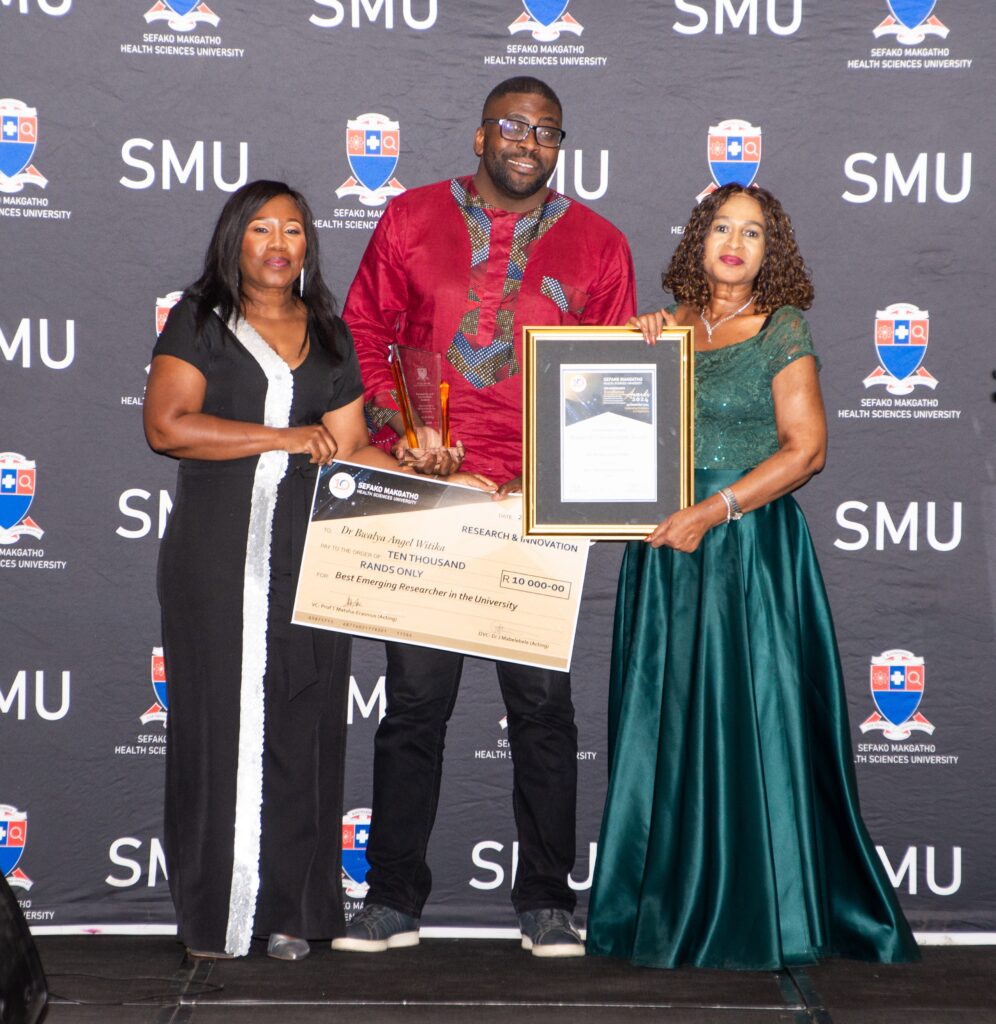 Beyond recognising individual achievements, the ceremony underscored SMU’s unwavering commitment to excellence, relevance, integrity, equity, ubuntu, and professionalism—core values that continue to shape the institution’s impact in South Africa and beyond.
Delivering a powerful opening address, Acting Vice-Chancellor Professor Tandi Matsha-Erasmus highlighted the pivotal role of innovation in positioning SMU as a 21st-century institution. “In this digital era, our ability to innovate, engage, and support our community depends on our unwavering commitment to excellence. Tonight, we honour the exceptional individuals who embody these values and drive SMU forward,” she stated, reinforcing the university’s role as a catalyst for change in health sciences.
Among the evening’s top accolades was the Excellence in Community Engagement Award 2024, presented to Jackson Mahlaba and his team for their groundbreaking Vaccination Catch-Up Campaign. Their efforts to bridge healthcare gaps in underserved communities exemplified SMU’s mission to integrate world-class education with meaningful societal impact. “This award belongs to every team member who worked tirelessly to bring health services to those who needed them most. It is a testament to the power of collaboration and dedication,” said Mahlaba, emphasising the spirit of ubuntu that underpins SMU’s commitment to public health.
Setting new standards in administration and support
SMU’s excellence extends beyond academia and research to a culture of exceptional service and leadership. The Administration and Support Category highlighted professionals who ensure the university’s operational efficiency matches its academic prestige.
- Elisa Segaile received the Exemplary Client-Centric Behaviour Award, setting a high benchmark for student and staff service.
- Theo Bhengu was recognised for Outstanding Leadership & Professionalism, a reflection of SMU’s commitment to fostering visionary leaders within its ranks.
- Mpho Mmako earned two accolades—the Collaboration and Teamwork Award and Best Support Employee Award—demonstrating the value of collective success.
- Busisiwe Sijora was named Best Administration Employee, a recognition of her dedication to operational excellence.
 A university positioned for global competitiveness
The 2024 Vice-Chancellor Excellence Awards ceremony was more than just an evening of recognition; it was a bold statement of the university’s trajectory in a digital world. By fostering cutting-edge research, impactful community engagement, and excellence in administration, SMU continues to establish itself as a globally competitive institution that not only educates future health professionals but actively contributes to shaping South Africa’s healthcare landscape.
The Teaching & Learning Awards recognised:
- “Beginner” Teaching Excellence Award: Dr Sabashnee Govender-Davies
- “Experienced” Teaching Excellence Award: Dr Kebiditswe Masike
Several impactful projects were honoured:
- Project: Vaccination Catch-up Campaign (School of Pharmacy) – Group Leader: Jackson Mahalaba
- Project: Korwee Multipurpose Centre (School of Dentistry) – Group Leader: Emma Musekene
- Project: Creating a Healthy School through Physical Education at a School in Mapobane, Gauteng (School of Health Care Sciences) – Group Leader: Ntombenkosi Sobantu
- Project: Mathematics Career Fair (School of Science & Technology) – Group Leader: Joseph Fatlane
- Project: Child Health in the Community (School of Medicine) – Group Leader: Debbie Barnard
SMU’s leadership in Research and Innovation was recognised through the following awards:
- Best Emerging Researcher: Dr Bwalya Witika
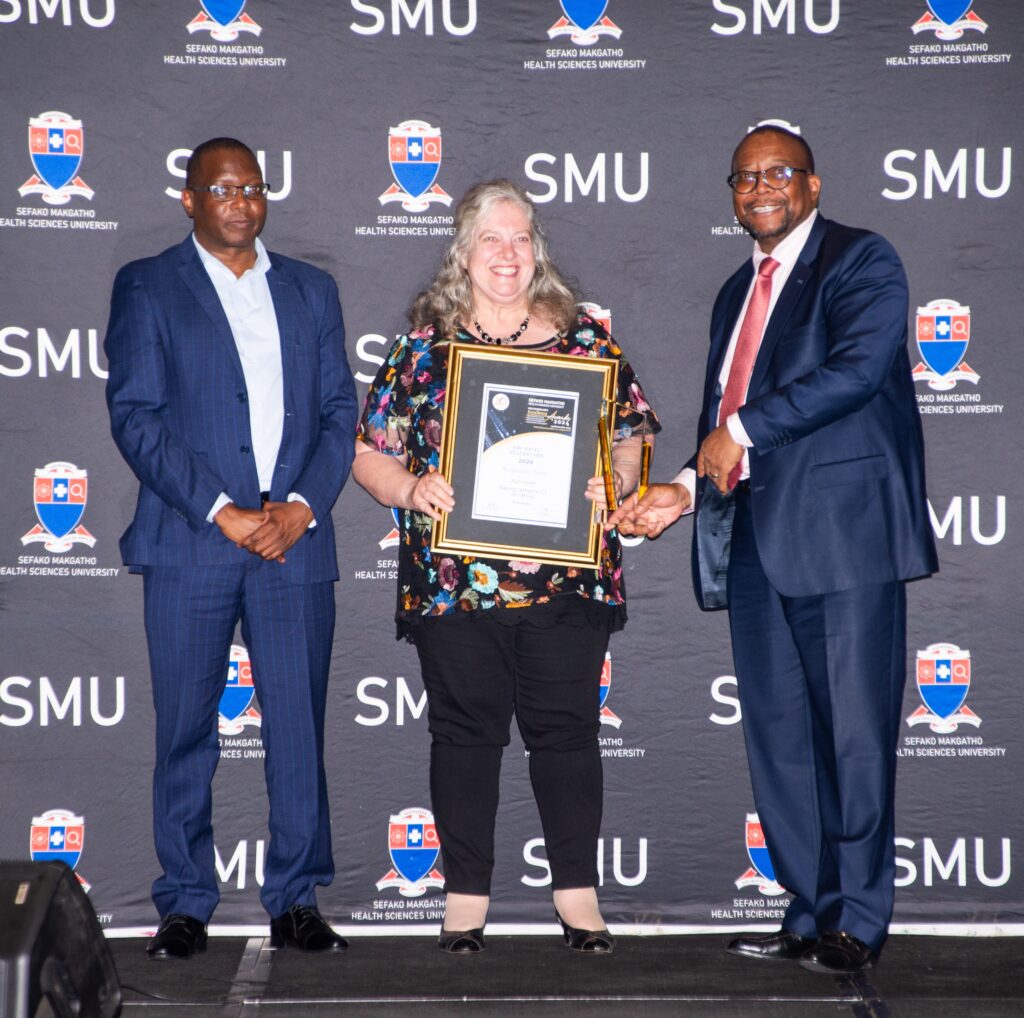
- Best Overall Female Researcher: Prof Hannelie Meyer
- Best Overall Research Supervisor: Prof Moliehi Matlala
- Best Established Researcher in the School of Health Care Sciences: Prof Mathilda Mpata Mokgatle
- Best Established Researcher in the University: Prof Hannelie Meyer
NRF Rated Research Recognition Awards
- Rating Category: C2: Dr X Siwe-Noundou
- Rating Category: C2 (re-rating): Prof A Oettlé
- Rating Category: Y2: Dr LO Jolaoso
- Rating Category: Y2: Dr V Thibane
- Rating Category: C3: Dr G Ugwunnadi
- Rating Category: C2: Prof Mathilda Mpata Mokgatle
- Rating Category: Y2: Dr Bwalya Witika
The awards ceremony was a proud moment for SMU, showcasing the university’s dedication to fostering academic and professional excellence. Matsha-Erasmus closed the event with a heartfelt message to the awardees: “Tonight, we celebrate not just individual achievements but the collective progress of our university and its profound impact on society.”
SMU continues to be a beacon of excellence in health sciences education, shaping future leaders and driving transformative change.
By Dimakatso Modise

by Lorato | Feb 14, 2025 | All News, SMU Media, Student Media
For the past decade, Sefako Makgatho Health Sciences University (SMU) has been at the forefront of medical and health sciences research, driving transformational change in healthcare, disease prevention, and scientific innovation. In an era where public health challenges demand urgent solutions, SMU has consistently delivered research with tangible societal impact, addressing issues from cancer diagnostics to environmental health risks, pharmaceutical advancements, and chronic disease management.
 As South Africa’s premier institution for health sciences, SMU’s research legacy is not just academic—it is shaping healthcare policies, influencing clinical practices, and improving lives across the nation.
Innovations in pharmaceuticals and public health interventions
In 2024, SMU researchers pioneered a game-changing breakthrough with the development of a child-friendly anti-infective gummy formulation—a revolutionary step in paediatric medicine aimed at improving medication adherence in children. Published in Drug Delivery and Translational Research, this innovation has the potential to reduce treatment resistance and improve health outcomes in underserved communities where adherence to traditional liquid and tablet medications remains a challenge.
Furthering its impact in oncological research, SMU researchers conducted a landmark study on prostate cancer diagnosis, comparing 68Ga-PSMA PET/CT imaging with 99mTc-MAG3 renography. Published in Diagnostics, this research enhances diagnostic precision and treatment strategies, bringing hope to thousands of men suffering from metastatic castration-resistant prostate cancer.
SMU’s public health researchers have also tackled health inequalities, particularly within marginalised communities. A 2023 study on mental health and healthcare access for men who have sex with men (MSM), published in the International Journal of Innovative Research and Scientific Studies, identified critical barriers to mental healthcare. The findings have provided evidence-based recommendations for addressing the mental health crisis within this vulnerable group, prompting urgent calls for inclusive healthcare strategies.
Pioneering environmental and epidemiological research
SMU has played a critical role in advancing environmental health research, exposing the devastating impact of pollution on South African communities. In 2020, SMU’s environmental scientists uncovered alarming levels of heavy metal accumulation in freshwater fish species from the uMgeni River. Published in Environmental Pollutants and Bioavailability, this study raised national awareness of environmental contamination, pressing policymakers to tighten water quality regulations and mitigate public health risks.
SMU’s work in infectious disease modelling has also broken new ground. In 2021, a study in the Alexandria Engineering Journal introduced a fractal–fractional order non-linear re-infection model, offering unprecedented insights into epidemic forecasting. This research has become a critical tool for disease control, allowing health experts to predict outbreaks and implement early intervention strategies.
Transforming medical training through research and data-driven insights
SMU does not only conduct research—it ensures that its findings translate into impactful education and medical training. A 2022 study in Pharmacy Practice examined career trajectories of pharmacy graduates, providing groundbreaking insights into the evolving pharmaceutical industry. The findings have shaped SMU’s curriculum development, ensuring students are equipped with skills that align with real-world industry demands.
Similarly, a 2019 study on the mathematical modelling of physiological fluid dynamics, published in Mathematical and Computational Applications, introduced a new method for solving the Boussinesq equation. This research has revolutionised medical simulations and biological system modelling, providing medical students and professionals with enhanced diagnostic tools.
SMU’s dedication to healthcare innovation extends beyond mathematical models and laboratory findings. In 2016, its public health researchers quantified the burden of air pollution on urban communities. Published in Environmental Health Perspectives, the study directly influenced national air quality policies, prompting action to mitigate respiratory illnesses and pollution-related health risks.
A legacy of excellence in health sciences research
SMU’s research achievements extend back a decade, with pioneering work in chronic disease management, neuroscience, and early childhood interventions. A 2015 study in The South African Medical Journal provided critical insights into hypertension in rural communities, influencing targeted healthcare interventions for better disease prevention and management.
In 2014, SMU’s nursing research advanced nurse-led interventions in chronic disease management, underscoring the vital role of nurses in strengthening South Africa’s primary healthcare system. That same year, a study on early childhood language disorders, published in The South African Journal of Communication Disorders, established evidence-based strategies for diagnosing and treating language delays, reinforcing the importance of early intervention in childhood development.
These milestones are not just academic victories—they have influenced national healthcare policies, transformed patient care, and improved medical education.
SMU is not merely a university—it is an institution shaping the future of healthcare. Through groundbreaking medical research, environmental studies, and public health initiatives, the university is solving real-world health challenges and producing globally competitive healthcare professionals.
The institution’s commitment to scientific innovation, research integrity, and community impact has cemented its reputation as a leader in health sciences. With each new study, each breakthrough, and each innovation, SMU is pushing the boundaries of medical science, improving lives, and redefining healthcare in South Africa and beyond.
As the university continues its relentless pursuit of excellence, one thing is clear—SMU’s research is not just changing academic discourse; it is changing the world.
By Dimakatso Modise
by Lorato | Feb 13, 2025 | All News, SMU Media, Student Media
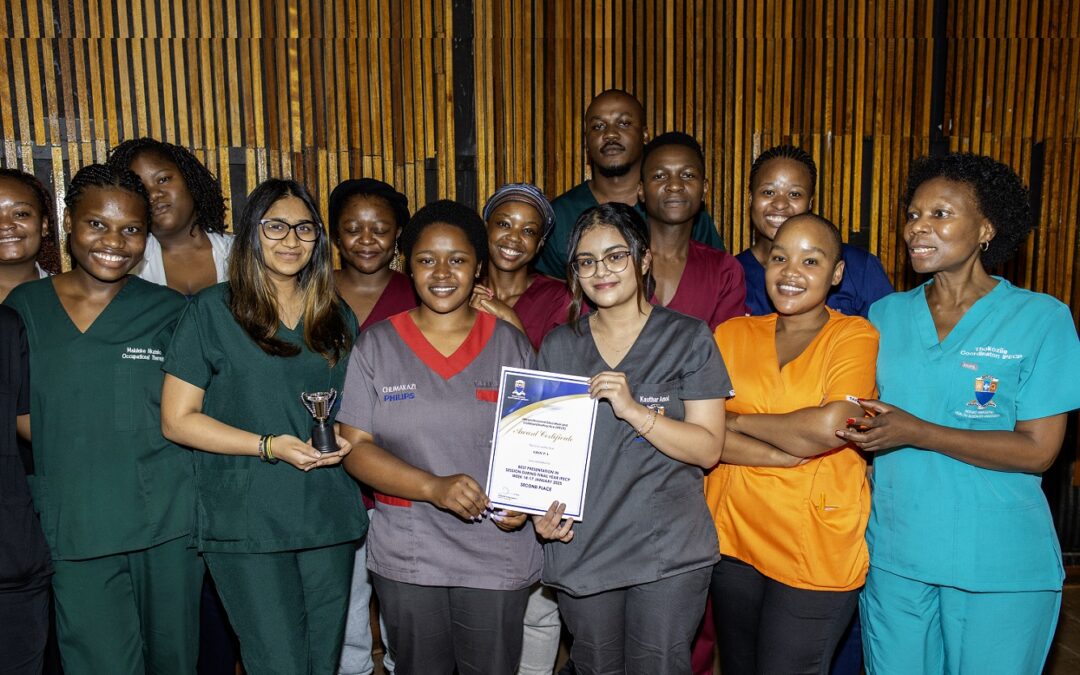
Sefako Makgatho Health Sciences University (SMU) is redefining healthcare education through its Interprofessional Education and Collaborative Practice (IPECP) Programme, a transformative initiative that equips final-year students with the collaborative and professional skills needed to thrive in multidisciplinary medical environments. With 360 final-year students from radiography, occupational therapy, physiotherapy, nutrition and dietetics, speech-language and audiology, and medical programmes, the week-long programme provided an immersive experience in team-based patient care, mirroring real-world healthcare settings.
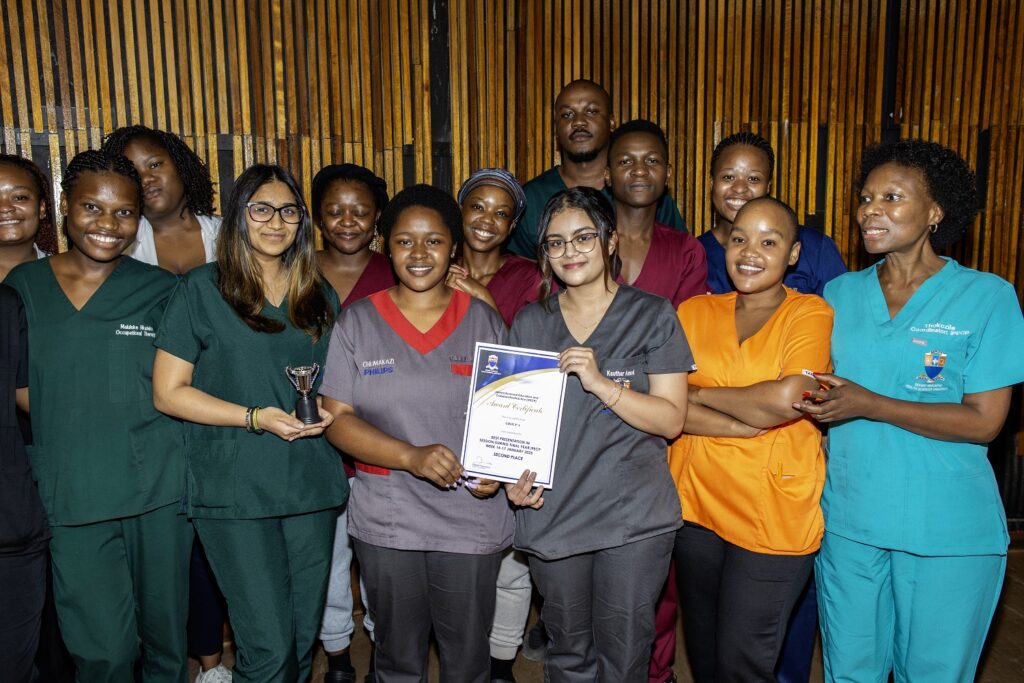 As a leading institution in health sciences, SMU is committed to producing competent, ethical, and team-oriented healthcare professionals. The IPECP programme embodies SMU’s core values—Excellence, Social Responsibility, Integrity, Ubuntu, and Scholarship—ensuring that graduates are not just specialists in their fields but also leaders in patient-centred, collaborative healthcare.
Student leader Samkele Jiyane, the face of the IPECP initiative, applauded the participants for embracing the programme. He encouraged them to consider IPECP as a valuable tool in their journey towards becoming compassionate and skilled healthcare professionals who uphold dignity, humility, and commitment in patient care—principles that align with SMU’s emphasis on Ubuntu and Integrity. “This programme is a game-changer for us as future healthcare professionals. It challenges us to think beyond our individual disciplines and work together for the betterment of patient care,” says Jiyane.
Throughout the week, participants engaged in a series of activities and presentations that highlighted the importance of interprofessional collaboration. Realistic case scenarios enabled students to explore the roles and responsibilities of various healthcare professions, fostering mutual understanding and respect. Workshops on professionalism and key assessments included life-saving practices essential during patient interactions. Students also addressed complex healthcare cases, honing their critical thinking, problem-solving, and teamwork abilities. Group discussions explored ethical dilemmas such as the right to life, patient versus professional rights, and the intersection of ethics with constitutional principles.
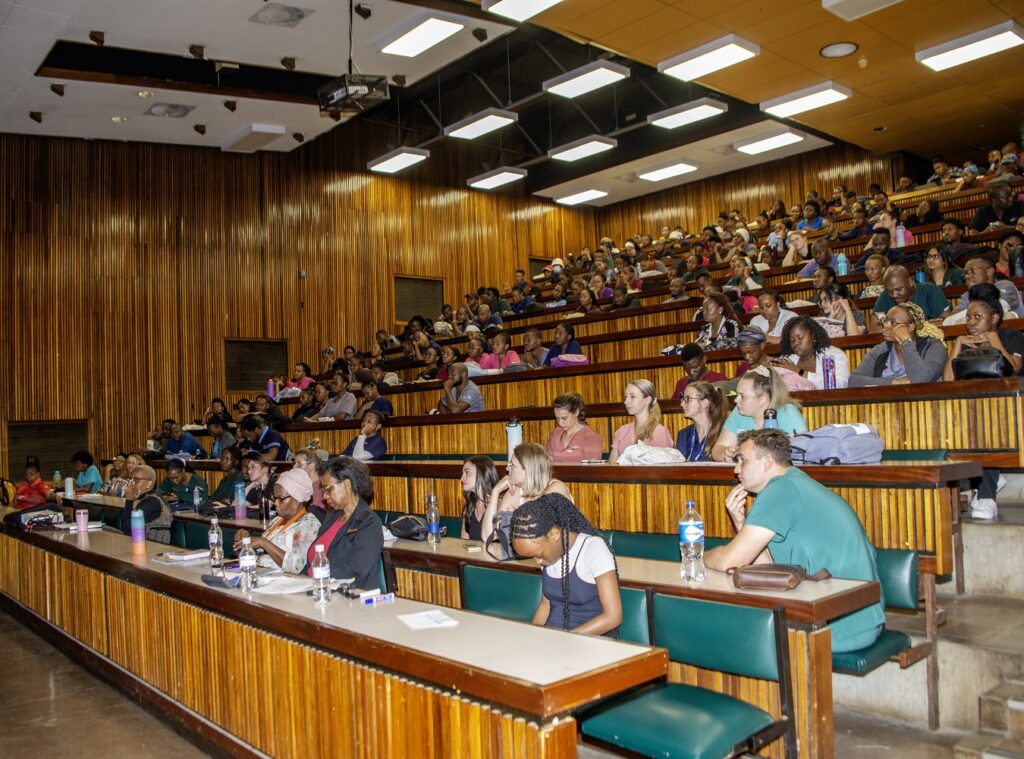 A highlight of the programme was a session on rare disease awareness led by Sr Kate Mills from the South African Haemophilia Foundation (SAHF). She commended the students for their dedication to advancing interprofessional collaborative healthcare practices and emphasised the transformative impact of compassionate, patient-centred care across the health promotion, preventative, curative, rehabilitative, and palliative spectrum. “It is inspiring to see future healthcare leaders embracing the principles of teamwork and ethical patient care. This is the kind of transformation that will change healthcare for the better,” says Mills.
Renowned speakers further enriched the learning experience. Dr Hanlie Pitout, a leading IPECP expert, delivered a compelling presentation on the “Five Ws and H” of interprofessional education and collaborative practice. Nurse specialists Sr Grace Nkgapele and Isabel Benninghof of V&A Private Company shared invaluable insights into patient-centred care, highlighting the repercussions of unprofessional conduct and the importance of accountability in healthcare.
Their message was symbolised by the acronym HEALTH, which resonated strongly with participants and highlighted key principles:
- H – Help patients with excellence.
- E – Act with precision and excellence.
- A – Show love in patient interactions.
- L – Foster trust through genuine care.
- T – Demonstrate humility in service.
- H – Uphold honesty in all professional conduct.
These principles align seamlessly with SMU’s values, serving as a powerful reminder of the ethos that underpins compassionate and professional healthcare.
The programme also emphasised the importance of 12 key assessments in saving lives, effective communication, and functional teamwork within primary healthcare settings. These lessons are especially pertinent in the context of South Africa’s National Health Insurance (NHI) and its alignment with the Sustainable Development Goals (SDGs).
Thokozile Kgongwana, the IPECP Programme Coordinator, highlights its significance in preparing students for professional healthcare practice in under-resourced systems. “This programme has been a resounding success, equipping our students with the skills and knowledge they need to excel in primary healthcare interprofessional teams,” she says. “Interprofessional collaboration is the future of healthcare, and SMU is at the forefront of instilling this mindset in our graduates.”
The IPECP programme is a cornerstone of SMU’s mission to be a leading African university in health sciences, strengthening its role in shaping future healthcare leaders. By the end of the week, participants had developed a deeper understanding of interprofessional dynamics, ethical decision-making, and the critical role of professionalism in patient care.
As SMU continues to champion interprofessional education, the IPECP programme remains a vital platform for fostering collaboration, professionalism, and patient-centred care. This transformative initiative not only prepares students for successful careers but also cements SMU’s impact on the healthcare sector both nationally and globally.
By Dimakatso Modise

by Lorato | Feb 13, 2025 | All News, SMU Media, Student Media
In a landmark achievement that exemplifies academic excellence and innovation, a team of final-year students from the Physiotherapy Department at Sefako Makgatho Health Sciences University (SMU) has earned the esteemed Best Undergraduate Research Project Award. The accolade was presented during the department’s internal research presentations, an event dedicated to recognising groundbreaking ideas and scholarly rigour among graduating students.
 The triumphant team—Phala Tiisetso, Molefe Boitshoko, Ralehlaka Kelebogile, Zander Collins, Chane Seipker, and Vilankulu Simphiwe—addressed a critical issue impacting their peers: stress and its profound effects on physiotherapy students. Guided by Dr Makwena Sibuyi, the Fourth-Year Coordinator and Head of the Paediatric Module, their research, titled Self-Reported Stress Levels Among Final-Year Physiotherapy Students, combined scientific precision with empathy, uncovering valuable insights into mental health challenges in healthcare education.
Motivated by their own experiences and observations, the team sought to explore the unique stressors affecting physiotherapy students during their demanding training. “We have all felt the pressure of clinical rotations, demanding coursework, and the uncertainty of what lies ahead after graduation. This research allowed us to delve deeper into those challenges and contribute meaningful insights to our field,” explains Zander Collins.
The study utilised a descriptive cross-sectional design, surveying 42 final-year physiotherapy students with the Student Stress Inventory (SSI). The findings revealed that stress levels ranged from low (57.14%) to moderate (42.85%). Female students were more prone to stress, often linked to greater emotional reactivity and societal expectations. Additionally, academic and environmental factors emerged as the leading stressors, with coursework, clinical responsibilities, and external pressures being the most prominent triggers. “Our findings show that stress levels among physiotherapy students are slightly lower than reported in similar studies, but this does not diminish the need for proactive mental health interventions,” remarks Phala.
The research not only illuminates the challenges faced by healthcare students but also underscores the urgency of developing targeted support systems. Sibuyi, the team’s mentor, praised their commitment, stating: “This study highlights the importance of addressing mental health issues in higher education, particularly in healthcare disciplines. Their findings pave the way for developing effective strategies to support student well-being.”
To improve student well-being, the team identified several actionable steps. Early identification of stress indicators is crucial, involving the monitoring of academic, physical, and interpersonal stressors to prevent burnout. Building emotional self-efficacy is another essential measure, with universities encouraged to offer stress management workshops and mentorship programmes, particularly for female students. Additionally, support from educators and peers plays a significant role in fostering a supportive environment; lecturers and clinical supervisors can help create a positive learning atmosphere, while peer mentorship strengthens community bonds and reduces isolation.
The team envisions their research as a stepping stone for future investigations. “We recommend extending this research to other health sciences disciplines to understand the broader implications of stress in healthcare education,” suggests Ralehlaka.
The journey was not without its hurdles. From balancing academic demands to navigating administrative approvals, the team displayed remarkable perseverance. Vilankulu reflects: “The process taught us resilience and the importance of collaboration.”
This study serves as a clarion call for stakeholders in education and healthcare to invest in student well-being. “Proactive measures are needed to address student stress and enhance academic performance,” urges Molefe.
The recognition of their work is a testament to the team’s dedication, intellectual curiosity, and resilience. Their success not only celebrates their academic journey but also inspires future cohorts to push boundaries and redefine possibilities in research.
Their award-winning project stands as a shining example of how student-led initiatives can significantly contribute to advancing knowledge and improving the educational experience for healthcare professionals of tomorrow.
By Tumelo Moila

by Lorato | Feb 13, 2025 | All News, SMU Media, Student Media
Sefako Makgatho Health Sciences University (SMU) is at the forefront of a revolutionary shift in medical education, equipping future healthcare professionals with the skills needed to navigate an increasingly complex and evolving healthcare landscape. Through its Practice of Medicine (POME) curriculum, the university has embraced Inquiry-Based Learning and Teaching (IBLT)—a dynamic educational model that fosters critical thinking, clinical reasoning, and self-directed learning. This progressive approach sets SMU apart as a leader in medical pedagogy, ensuring that its graduates are not only competent but also innovative and ethically grounded professionals.
 Inquiry-based learning: Redefining medical training
SMU’s adoption of IBLT moves away from traditional passive learning models, instead empowering students to take an active role in their education. This method, rooted in the philosophies of John Dewey and Jerome Bruner, encourages problem-solving and analytical thinking from the very first year. Gerda Botha, a medical education expert, emphasises that the success of IBLT hinges on facilitators guiding students rather than merely transferring knowledge, thereby fostering a culture of independent inquiry.
This model progressively shifts students from structured, guided learning to open, self-directed research, ensuring they develop the ability to critically evaluate information and adapt to real-world clinical settings. By the time students reach their third year, they are formulating well-structured research proposals, securing ethics clearance, and producing work suitable for publication—a testament to the curriculum’s emphasis on research excellence. Many SMU students have already had their research published in renowned journals such as the South African Family Practice and the Undergraduate Research in Health Journal.
At SMU, Evidence-Based Medicine (EBM) is seamlessly woven into the curriculum, equipping students with the skills needed to critique and apply medical research in clinical settings. Dr Kamelia Nashed and Dr Christian Saidiya, who oversee the integration of research methodologies, highlight how students progress from learning basic epidemiology and study design in their first year to applying EBM principles to real-world patient scenarios by their final years.
 According to Nashed, by the second year, students gain a sophisticated understanding of research methodologies, hierarchy of evidence, and proposal development. By the time they transition into their third year, they are expected to independently critically appraise research articles and apply their findings to clinical decision-making—a skillset that will define them as competent and research-savvy medical professionals.
SMU understands that competent medical practice is as much about ethical integrity as it is about clinical skill. Led by Professor Adegoke Adefolalu and Dr Nokufa Mnguni, the university’s ethics curriculum runs as a “golden thread” throughout the entire medical programme. From the first year, students engage with theoretical principles of medical ethics, later applying them in real-world clinical settings such as HIV patient care and service-learning initiatives.
Mnguni highlights how early exposure to real patients and multidisciplinary healthcare teams enhances students’ ethical reasoning, communication skills, and empathy. By embedding ethics into every stage of training, SMU ensures that its graduates uphold the highest moral standards in their medical practice.
Interdisciplinary collaboration: Training holistic healthcare professionals
Recognising the need for collaborative healthcare delivery, SMU places a strong emphasis on Interprofessional Education and Collaborative Practice (IPECP). Dr Nomsa Mogosetsi and Dr Suzan Nnanile Nyalunga highlight how the first-year medical module introduces students to various medical disciplines, fostering an appreciation for the interconnected nature of healthcare professions.
Through interactive workshops, role-plays, and problem-solving exercises, students engage in discussions around diversity, inclusivity, and healthcare disparities. This immersive learning approach encourages future doctors to understand the social determinants of health and develop cultural competence—an essential skill in South Africa’s diverse healthcare landscape.
SMU ensures that clinical reasoning is at the core of medical training. Dr Angelina Ulzen, an expert in this domain, describes clinical reasoning as the logical thread that ties together all teaching modules, guiding students towards sound diagnosis and management decisions.
By the third year, students are actively contributing to clinical discussions and diagnostic problem-solving, applying their knowledge of anatomy, physiology, and pathology in real-world healthcare settings. This approach bridges the gap between theory and practice, ensuring that SMU graduates emerge as competent and confident healthcare practitioners.
SMU recognises the importance of One Health, a multidisciplinary approach that connects human, animal, and environmental health. Introduced in the second year and expanded in the third year, this concept encourages students to consider the global impact of climate change, zoonotic diseases, and food security.
Adefolalu notes that by the end of their third year, students present their understanding of One Health concepts in peer-assisted learning sessions, where they propose solutions to pressing public health challenges. These collaborative projects refine students’ problem-solving skills, equipping them with the competence to address future health crises.
SMU’s vision for the future of medical education
The integration of Inquiry-Based Learning, ethical training, and interdisciplinary collaboration into the POME curriculum at SMU is reshaping the landscape of medical education. By fostering critical thinking, research excellence, and hands-on clinical reasoning, the university is ensuring that its graduates are not only skilled practitioners but also leaders in the field of healthcare innovation.
While the effectiveness of IBLT has been widely studied in high-income countries, there is limited research on its impact in Low- and Middle-Income Countries (LMICs), particularly in Sub-Saharan Africa. Given its fully mapped undergraduate health professions curriculum, SMU is uniquely positioned to lead global research efforts on the application of IBLT in LMICs.
By embedding research, ethics, and interdisciplinary training at the core of its medical programme, SMU is not only preparing students to meet the healthcare challenges of today but is also equipping them to shape the future of medicine in Africa and beyond.
By Tumelo Moila