by Lorato | Jun 25, 2026 | All News, Alumni, SMU Media, Student Media
On Wednesday, 24 June 2026, the Sefako Makgatho Health Sciences University (SMU) community, joined by leaders from higher education, government, the health sector, and partner institutions, gathered at the SMU Sports Complex for a memorial service honouring the life and legacy of Vice-Chancellor and Principal, Professor Tandi Matsha-Erasmus. A profound sense of reflection and collective gratitude marked the occasion as mourners paid tribute to a pioneering academic leader, renowned researcher, and the University’s first female Vice-Chancellor, whose vision, leadership, and service left an enduring mark on both the institution and South Africa’s higher education landscape.
 The memorial service brought together staff, students, alumni, family members, friends, and national and international stakeholders in a solemn yet celebratory atmosphere. It was a moment defined not only by grief but also by deep appreciation for a life marked by intellectual excellence, scientific contribution, and transformative leadership in higher education.
Opening the service, Acting Vice-Chancellor of SMU, Professor Dini Mawela, paid tribute to Matsha-Erasmus as a visionary leader whose impact is permanently embedded in the university’s identity and trajectory. “We are not only gathered to mourn a loss, but to honour a legacy that continues to define who we are as a university,” said Mawela.
She reflected on Matsha-Erasmus’ pivotal role in shaping SMU during its formative years, noting that her leadership provided stability, direction, and an uncompromising commitment to excellence.
“Professor Matsha-Erasmus led with conviction and quiet strength. She carried this institution with a sense of purpose that never wavered, even in the most challenging moments,” she said. Mawela emphasised that the late Vice-Chancellor set exceptional academic and institutional standards that continue to guide the university.
“She reminded us that building a university is not about structures alone, but about people, values and a shared commitment to excellence. Those standards remain our responsibility to uphold,” she added.
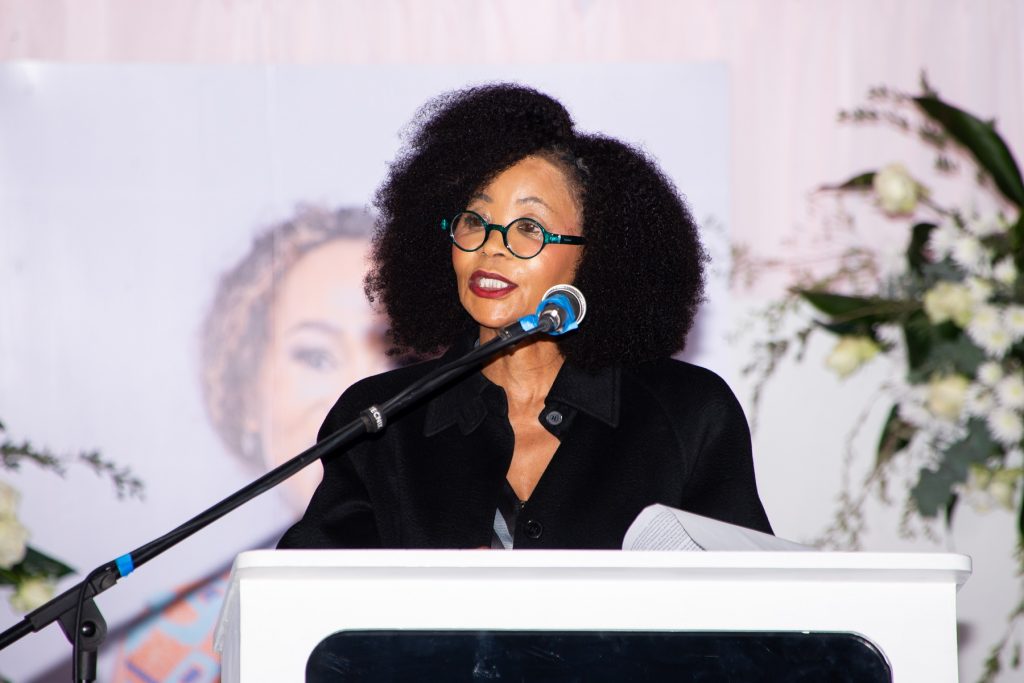 SMU Chancellor, Dr Penny Moumakwa, described her as a principled and resilient leader who ensured institutional stability while advancing a long-term vision for the university’s growth and sustainability.
The University Council acknowledged her strong governance leadership, highlighting her commitment to transformation, accountability, and institutional development. A distinguished scholar and internationally respected researcher, Matsha-Erasmus supervised and mentored more than 60 postgraduate and postdoctoral researchers, including honours, master’s, doctoral, and postdoctoral students—leaving a generational academic footprint across the health sciences field.
Her scholarly contribution was equally remarkable. She published over 180 peer-reviewed scientific papers, which have collectively received more than 43,000 citations, positioning her as a leading voice in cardiometabolic and vascular health research.
Beyond SMU, her research leadership extended across institutions. According to her husband, Emeritus Professor Rajiv Erasmus, she established the Vascular and Metabolic Health Study and the MRC Research Unit on Cardiometabolic Health at the Cape Peninsula University of Technology, strengthening South Africa’s research capacity in chronic disease and metabolic health.
Sectoral and stakeholder tributes further reflected her far-reaching influence. Universities South Africa (USAf), represented by CEO Dr Phethiwe Matutu, recognised her contribution to strengthening collaboration within the national higher education system. The University of Limpopo, represented by Vice-Chancellor Dr Jeffery Mabelebele, described her as a respected colleague whose collegial spirit strengthened institutional partnerships and advanced cross-university collaboration.
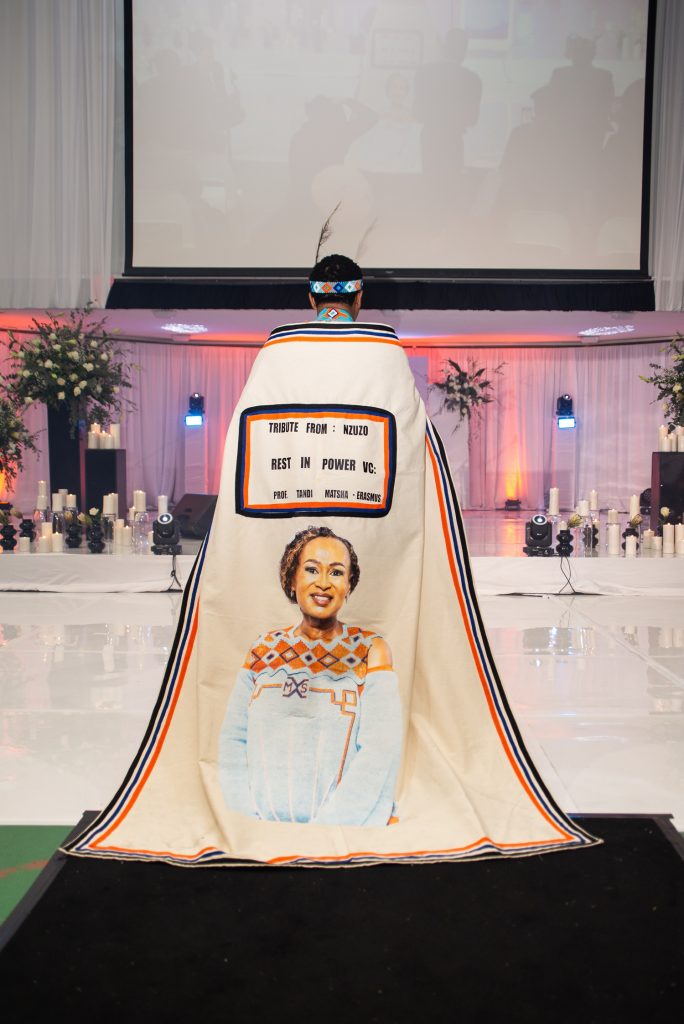 International tributes from Universidade Wutivi (UniTiva), delivered by Vice-Chancellor Dr Domingos Tivane, highlighted her role in advancing African academic cooperation. The Department of Higher Education and Training acknowledged her contribution to policy engagement and sector development.
The SMU Senate tribute, delivered by Professor Risenga Chauke, honoured her dedication to academic excellence and research advancement. The Institutional Forum, represented by Dr Abongile Bele, reflected on her inclusive leadership style and her commitment to participatory governance.
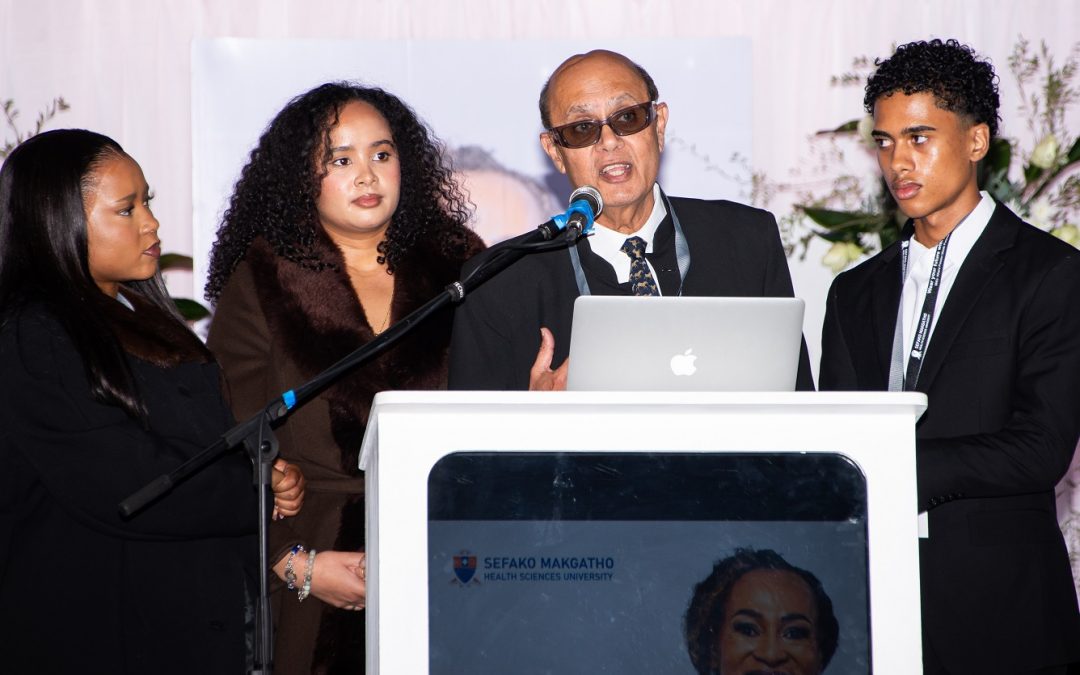
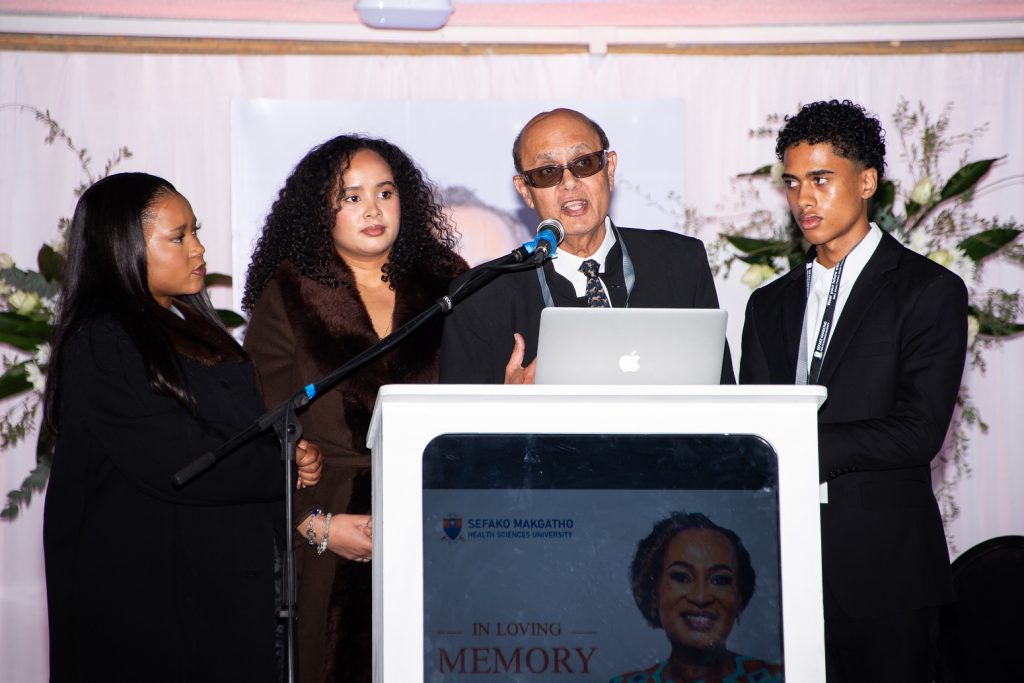
A deeply moving family tribute was delivered by Emeritus Professor Rajiv Erasmus, husband of Professor Tandi Matsha-Erasmus, who offered a personal reflection on her life beyond academia. “She was full of life,” he said, describing her as a woman of warmth, strength, humour, and deep devotion to family.
“To many, she was a Vice-Chancellor, a leader and a trailblazer. To us, she was a loving wife, mother, grandmother and the heart of our family.” His words revealed a deeply personal dimension of a leader widely admired in academia, leaving a lasting impression on all who attended.
Across all tributes, a consistent narrative emerged: the late VC was a transformational leader whose legacy is defined by both institutional impact and scientific excellence. Her contributions to research, mentorship, and higher education leadership continue to shape disciplines and institutions far beyond SMU.
As the university moves forward, her legacy remains firmly embedded in its identity, culture, and future direction. The foundations she built continue to guide SMU’s pursuit of excellence, innovation, and global relevance.
The Sefako Makgatho Health Sciences University extends its deepest gratitude to all who participated in the memorial service and to those who continue to honour her life and legacy. Professor Tandi Matsha-Erasmus leaves behind a legacy defined not only by leadership but also by knowledge, humanity, and an enduring contribution to science and society.
By Dimakatso Modise
by Lorato | Jun 20, 2026 | All News, SMU Media, Student Media
Sefako Makgatho Health Sciences University (SMU) Physiotherapy students gained invaluable practical experience at the 2026 Comrades Marathon, reinforcing the University’s commitment to academic excellence, experiential learning and community service. Through their participation in one of the world’s most prestigious ultramarathons, students applied their classroom knowledge in real-world settings while supporting athletes before and after the demanding race.
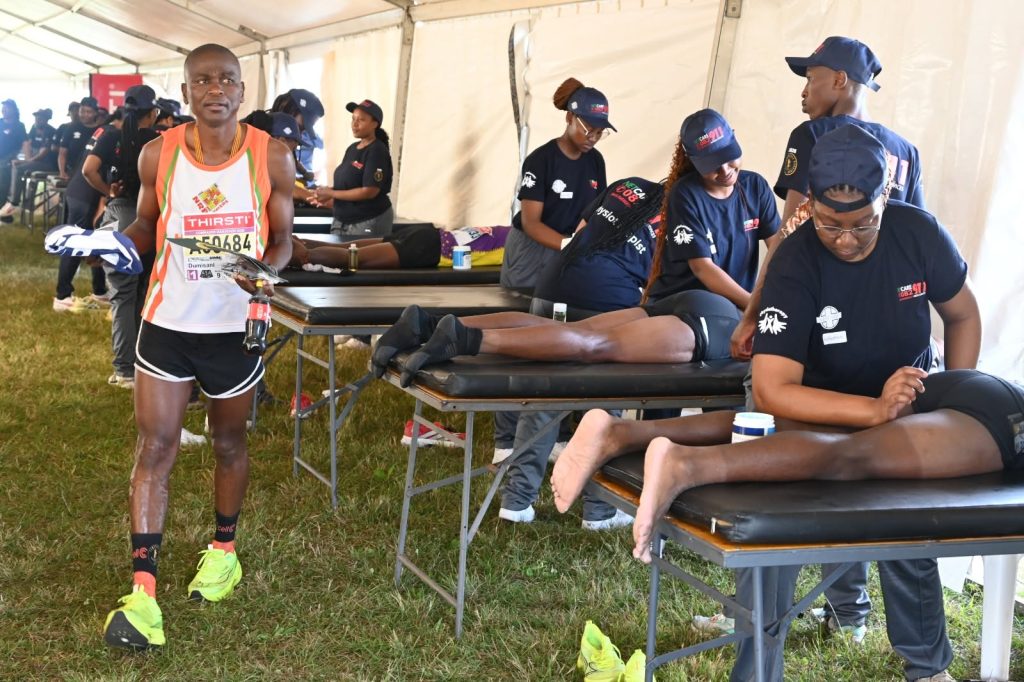 The students’ Comrades Marathon journey began at the Durban International Convention Centre (ICC), where they participated in the GEMS-sponsored pre-marathon massage station. Working alongside qualified healthcare professionals, the students assisted runners with pre-race preparation, providing massage therapy and support aimed at helping athletes perform at their best on race day.
The ICC activities formed an important part of the students’ work-integrated learning experience. By interacting with runners from diverse backgrounds and participating in a high-performance sporting environment, students gained valuable exposure to sports physiotherapy and athlete care. The experience also offered an opportunity to explore Durban and engage with the vibrant atmosphere surrounding the iconic event.
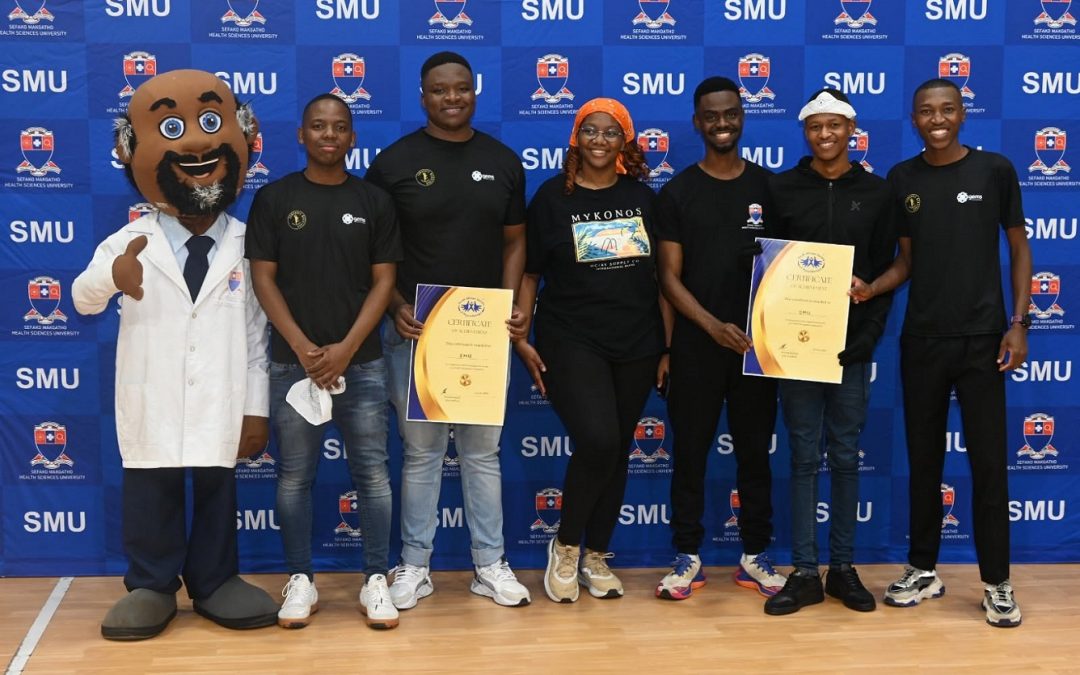
Adding to an already memorable experience, SMU students excelled in the South African Society of Physiotherapists (SASP) student competition. Their teamwork, professionalism and enthusiasm earned them an impressive third-place overall finish, while they also secured first place in the Spirit Award category. The achievement reflected the dedication and excellence that continue to distinguish the SMU Physiotherapy community.
Fourth-year Physiotherapy class representative Lebogang Mahlangu said the experience had a lasting impact on the student cohort.
“The trip was an incredible experience for our class. We had the opportunity to learn, gain practical exposure and work alongside professionals in a real sporting environment. Winning third place overall and receiving the Spirit Award at the SASP student competition made the experience even more special. The achievement boosted our confidence and brought the class even closer together. We are proud to have represented SMU and grateful for the opportunity to be part of such a prestigious event.”
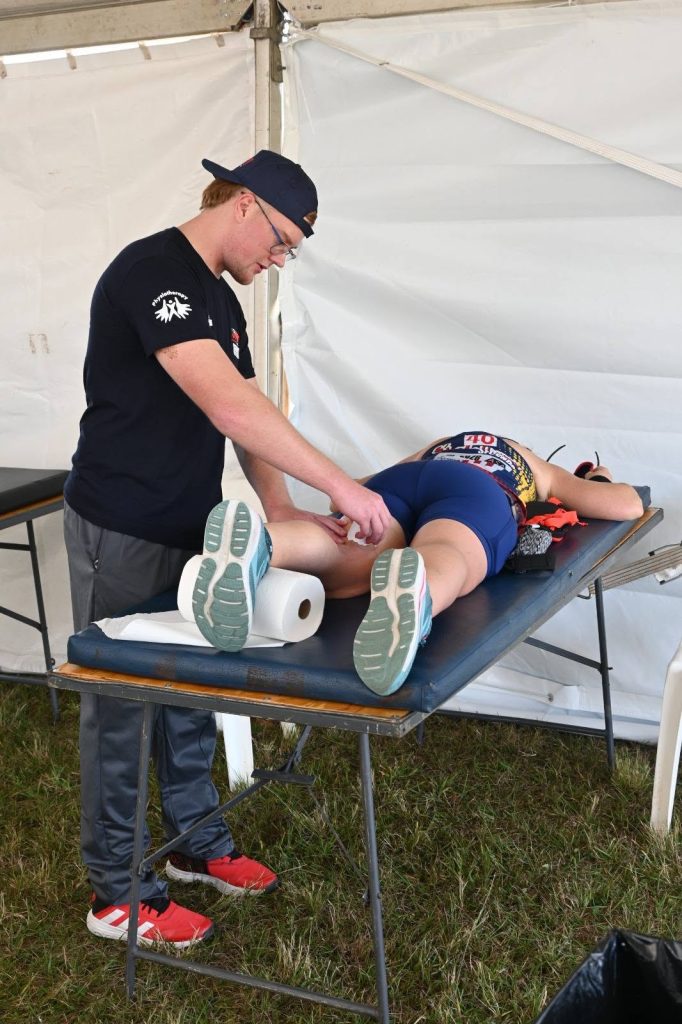 Race day marked the culmination of months of preparation and learning. From the early hours of the morning, SMU Physiotherapy students were stationed at the rub tent at the Hollywoodbets Scottsville Racecourse in Pietermaritzburg, where they provided post-race physiotherapy support to runners crossing the finish line. Working tirelessly alongside healthcare professionals, students assisted with recovery interventions and athlete care as participants completed the gruelling ultramarathon.
According to SMU Physiotherapy lecturer Karabo Raphokoane, the event provides a unique learning platform for future healthcare professionals.
“The Comrades Marathon allows students to experience the realities of physiotherapy in a major sporting event. It gives them exposure to athlete care, professional teamwork and the demands of working in a high-performance environment.”
Fellow lecturer Ntombenkosi Sobantu highlighted the value of experiential learning in preparing students for professional practice.
“Experiential learning opportunities such as the Comrades Marathon bridge the gap between theory and practice. Students gain confidence, develop clinical skills and learn the importance of teamwork while contributing to athlete wellbeing.”
The experience also contributed to a research initiative led by SMU Physiotherapy lecturer Moitheki Evah Molapisi, which seeks to evaluate the role and impact of SMU Physiotherapy students at the Comrades Marathon and assess the benefits of their involvement for both students and runners. In addition, the successful completion of the race by Mr Alfred Matlhasedi Makgato, SMU’s Acting Director: Built Environment, inspired students and staff through his demonstration of determination and resilience.
More than a sporting event, the 2026 Comrades Marathon served as a platform for learning, service, research and achievement. Through initiatives such as these, SMU continues to advance its mission of transforming health services through excellence, innovation and hands-on training, while producing healthcare professionals equipped to make a meaningful impact in communities across South Africa and beyond.
By Dimakatso Modise
by Lorato | Jun 11, 2026 | All News, Alumni, Research, SMU Media, Student Media
The School of Medicine at Sefako Makgatho Health Sciences University (SMU) continues to cement its position as a leading centre for medical education, healthcare training and interdisciplinary research, with a growing number of doctoral graduates contributing innovative solutions to some of South Africa’s most pressing health challenges.
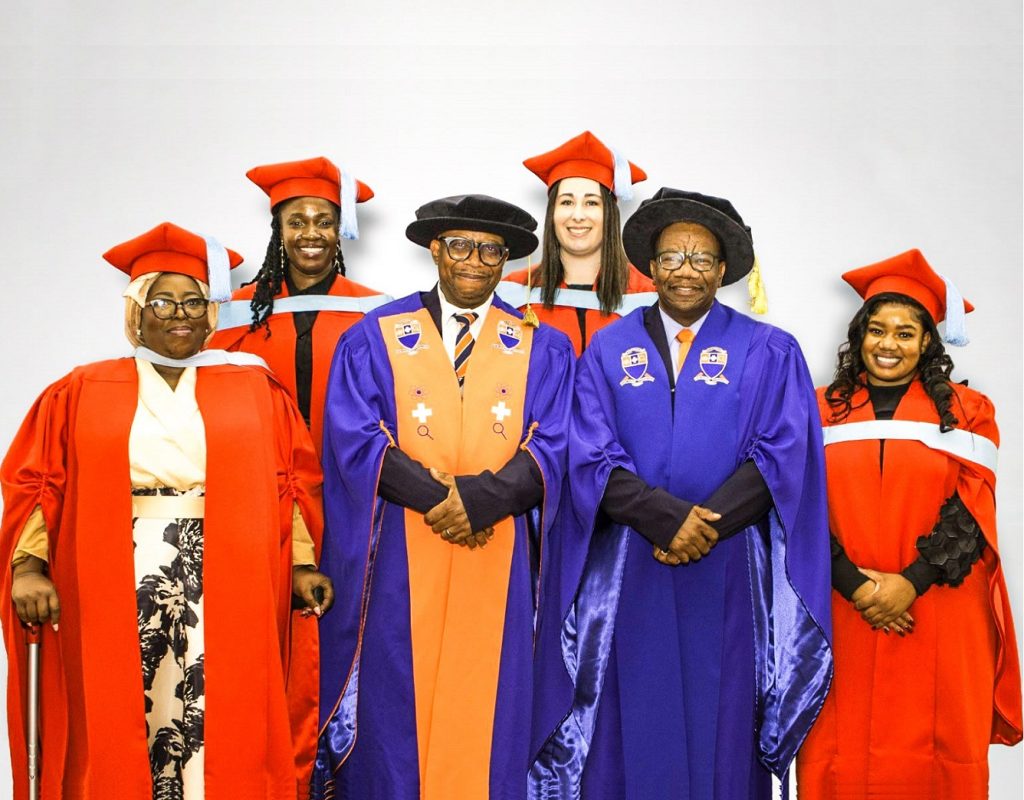 Comprising 39 academic and clinical departments, the School of Medicine plays a pivotal role in developing healthcare professionals, advancing scientific knowledge and addressing complex healthcare needs across South Africa and the African continent. Its strength lies in its ability to integrate expertise across disciplines and collaborate across the University’s five Schools, creating an environment where teaching, research and clinical practice intersect to drive meaningful impact.
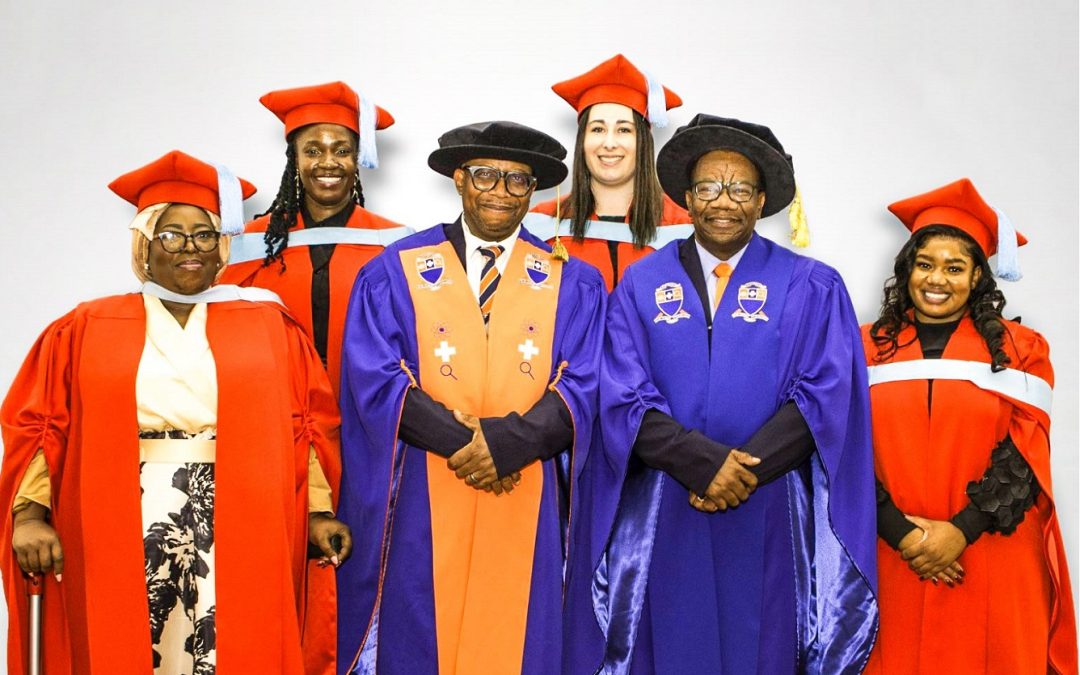
A significant milestone was achieved recently when five PhD candidates graduated from the School of Medicine, reflecting the institution’s expanding research capacity and commitment to developing highly skilled researchers. The growing number of staff members holding doctoral qualifications further aligns with SMU’s vision of transforming health services through excellence and innovation while strengthening the University’s research profile and academic standing.
“The growth in doctoral graduates demonstrates the School of Medicine’s commitment to producing research that is scientifically rigorous, socially relevant and capable of addressing real-world healthcare challenges,” said a School representative. “Our research agenda is increasingly interdisciplinary, collaborative and focused on improving health outcomes for the communities we serve.”
Among the departments contributing significantly to this success is the Anatomy and Histology Department, which provides foundational anatomical and histological training across numerous health sciences programmes while supporting interdisciplinary research in medical imaging, forensic sciences, dentistry, orthopaedics and biomedical sciences.
Recent doctoral achievements emerging from the Department highlight the breadth and relevance of research being undertaken within the School. Dr Vaughan Perry, who graduated in September 2025, investigated the combined effects of diabetes, chronic alcohol use and antiretroviral therapy on rat bone structure. His findings contribute to a deeper understanding of chronic disease and skeletal health, offering valuable insights into conditions that remain highly prevalent within South African healthcare settings.
Graduating on 13 May 2026, Dr Ruth Kobedi explored cephalometric variation in Black South African adults using conventional lateral cephalograms and cone-beam computed tomography. Her research established population-specific craniofacial standards that can improve orthodontic diagnosis, treatment planning and forensic identification.
“This study demonstrates the importance of developing locally relevant scientific data that reflects the diversity of South African populations,” said Dr Kobedi. “Such research has the potential to improve both healthcare delivery and forensic practice while strengthening collaboration across disciplines.”
Further showcasing the School’s research innovation, Daniële Kristen is set to graduate later this year following her investigation into knee joint morphology in South African populations using computed tomography and geometric morphometric analyses. Her work established population-specific standards with applications in forensic anthropology and orthopaedic implant development, creating opportunities for the future design of anatomically compatible implants tailored to local populations.
These achievements reflect the School of Medicine’s growing stature as a hub of academic excellence, research innovation and postgraduate development. Through interdisciplinary collaboration, impactful research and a commitment to addressing local healthcare needs, SMU continues to advance scientific knowledge while developing the next generation of health professionals and researchers. As the University pursues its vision of transforming health services through excellence and innovation, its contributions to education, research and healthcare remain central to improving lives across South Africa and beyond.
By Tumelo Moila
by Lorato | Jun 11, 2026 | All News, Alumni, SMU Media, Student Media
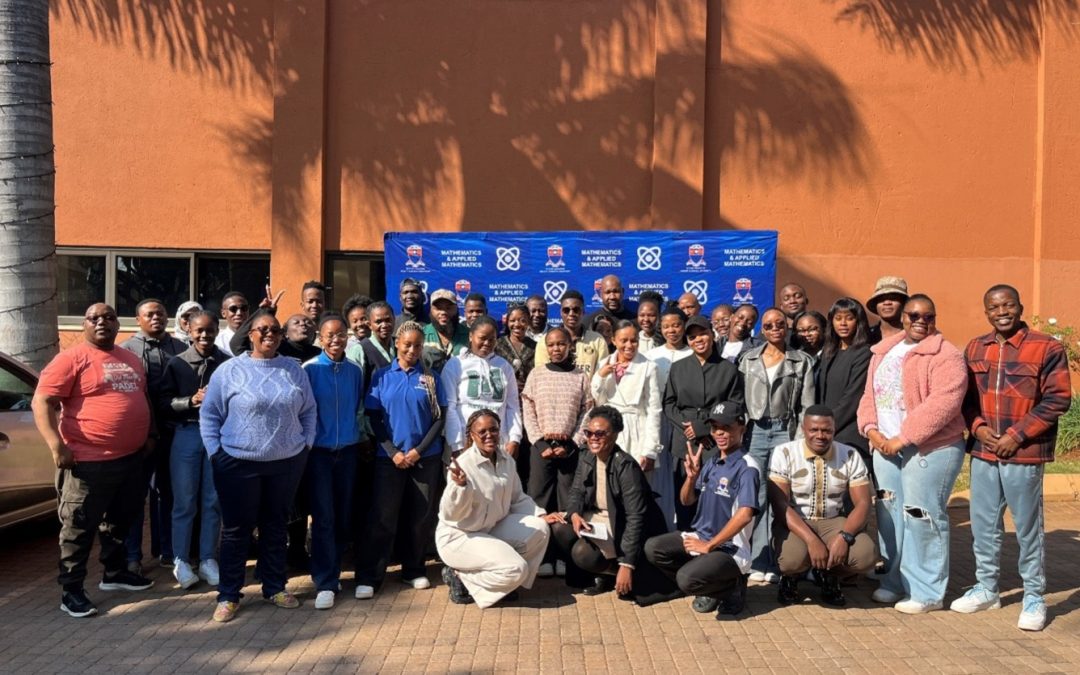
Sefako Makgatho Health Sciences University (SMU) reaffirmed its commitment to research excellence and innovation when its Department of Mathematics and Applied Mathematics hosted the “Optimal Control and Optimisation: Theory, Algorithms and Applications” research workshop recently at the Batter Boys Boutique Hotel in Pretoria. Supported by the DSTI-NRF Centre of Excellence in Mathematical and Statistical Sciences (CoE-MaSS), the workshop brought together postgraduate students, postdoctoral researchers, academics, and industry stakeholders to explore cutting-edge developments in mathematical sciences and their applications to real-world challenges.
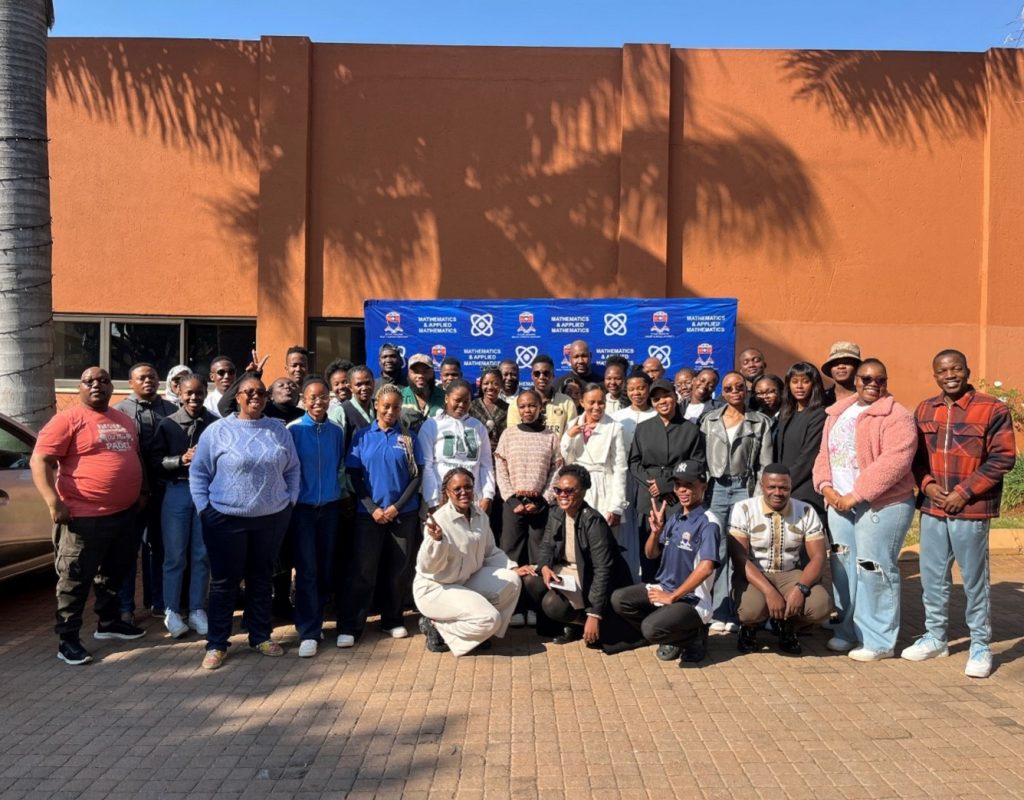 Opening the event, Professor Maggie Aphane, Head of the Department of Mathematics and Applied Mathematics, welcomed delegates and emphasised the importance of research collaboration, innovation, and academic excellence in advancing mathematical knowledge and its societal impact.
The first day focused on postgraduate research, providing emerging scholars with a platform to present their work and engage with experts in the field. The keynote address was delivered by Dr Simo Mthethwa, who presented a lecture titled The Lattice of Ideals and its Applications to Topology. His presentation introduced participants to key concepts in lattice theory and demonstrated their relevance to topology and broader mathematical thinking.
Highlighting the importance of linking theory to practice, Dr Mthethwa remarked: “If you define a mathematical concept and you cannot give an example, it does not exist.” His message resonated strongly with participants, reinforcing the value of applying abstract mathematical concepts to practical problems.
Research presentations covered a diverse range of topics, including optimisation theory, fixed-point theory, numerical analysis, mathematical finance, and machine learning. Presenters included Koketso Malebana, Malose Jim Mokonyama, Lerato Zelda Riba, Mbali Precious Phama, and Tumelo Fortunate Maloka, whose work reflected the breadth and growing impact of mathematical research within the department. Robust discussions following each presentation created opportunities for critical engagement, scholarly feedback, and professional development.
The second day shifted focus towards advanced research seminars and interdisciplinary dialogue. Doctoral candidates and postdoctoral researchers presented studies demonstrating the expanding role of mathematics across scientific and technological disciplines. Presentations explored applications in material science, metric space theory, optimisation algorithms, image restoration, variational inequalities, and computational mathematics.
Among the featured speakers were Tumisho Kekana, who examined topological indices of β12 borophene using mathematical modelling techniques, Anele Bokodisa, who presented new developments in bipolar quasi-metric spaces, Dr Austine Efut Ofem from the Tshwane University of Technology, and Dr Olawale Kazeem Oyewole, an NRF Postdoctoral Fellow at SMU, whose presentation highlighted contemporary advances in variational inequality theory.
A major highlight of the workshop was an interactive research dialogue involving Professor Aphane, Dr Mthethwa, academic staff, and postgraduate students. Discussions addressed research funding opportunities, publication strategies, academic career pathways, and the importance of collaborative research.
Dr Mthethwa encouraged students to build strong research networks and pursue interdisciplinary partnerships. He explained that collaboration strengthens research quality, expands access to funding opportunities, and creates pathways for international engagement and professional growth.
The workshop also provided valuable guidance on teaching and learning mathematics, emphasising conceptual understanding, problem-solving, analytical thinking, and proficiency in modern computational tools. Participants were encouraged to develop advanced software skills to enhance both their research capabilities and future employability.
Most presentations aligned with the workshop theme of optimal control and optimisation, showcasing how mathematical methods continue to drive innovation in fields such as finance, machine learning, computational modelling, and operations research.
The successful workshop highlighted SMU’s growing contribution to mathematical sciences research and its commitment to developing the next generation of scholars. By creating opportunities for knowledge exchange, collaboration, and professional development, SMU continues to strengthen its position as a leading institution advancing research excellence, innovation, and societal impact in South Africa and beyond.
By Tumelo Moila
by Lorato | Jun 11, 2026 | All News, SMU Media, Student Media
Sefako Makgatho Health Sciences University (SMU), in partnership with Dr George Mukhari Academic Hospital (DGMAH), has completed its first participation in the global May Measurement Month (MMM) campaign, reaching hundreds of people through blood pressure screening, education, and awareness activities aimed at tackling hypertension in local communities.
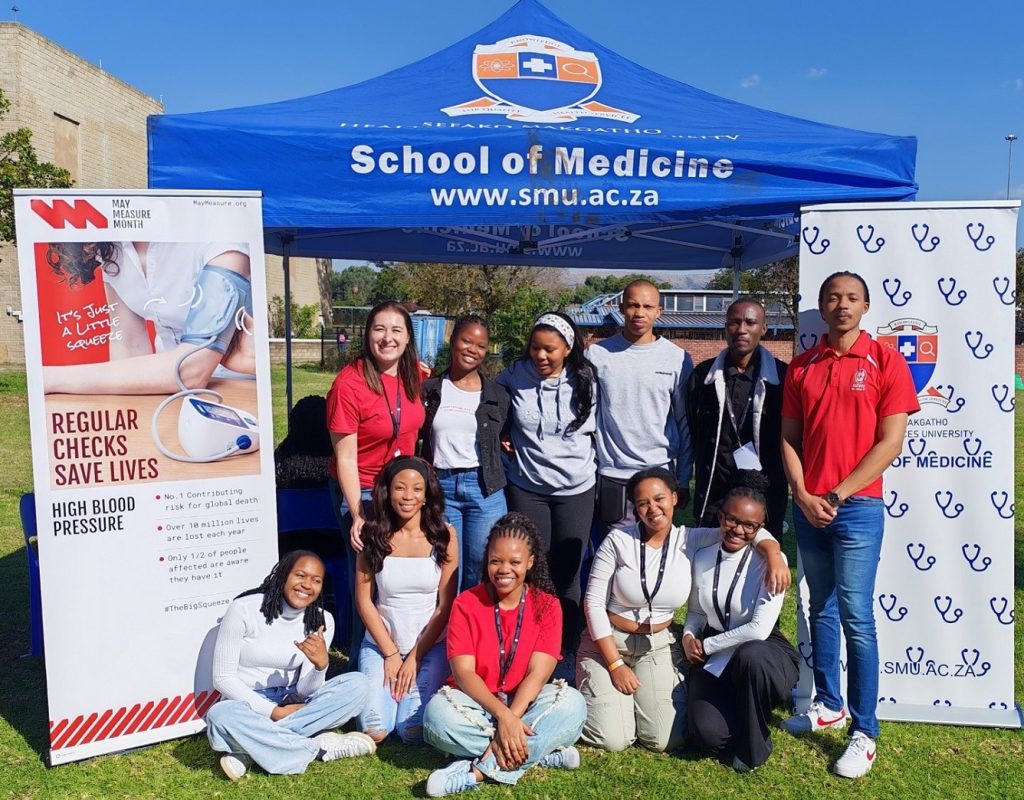 May Measurement Month is an international initiative led by the International Society of Hypertension to raise awareness of high blood pressure and improve access to screening worldwide. Since its launch in 2017, the campaign has become one of the largest public health awareness programmes globally, helping to identify undiagnosed cases of hypertension and encouraging early intervention to reduce the risk of cardiovascular disease, stroke, and kidney failure.
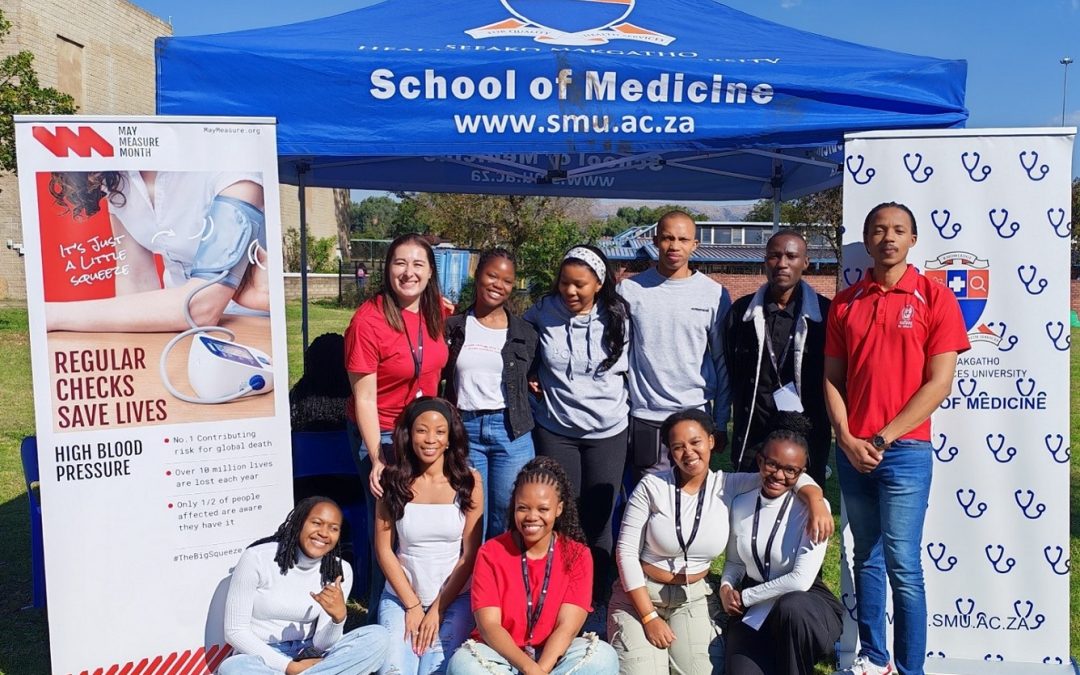
Throughout May 2026, SMU’s Department of Physiology and DGMAH’s Department of Family Medicine and Primary Health Care coordinated a series of screening and awareness activities across the university campus and the surrounding Ga-Rankuwa community. A total of 365 individuals, including students, staff, patients, and community members, participated in the initiative.
Screening activities were hosted at key locations on the SMU campus, including the Student Cafeteria Lawn and Library Lawn, while additional outreach took place at the DGMAH Hospital Clinic in support of World Hypertension Day. Participants received blood pressure assessments and educational information on hypertension risk factors, prevention, treatment adherence, and the importance of routine monitoring.
Dr Marilet van Hoogland-van Heerden, Co-Investigator and Site Coordinator from the Department of Physiology, said the campaign demonstrated the value of early detection and community engagement in addressing non-communicable diseases.
“Hypertension is often called the silent killer because many people are unaware that they have it until serious complications develop. Through this campaign, we were able to provide screening, education and practical health information to individuals who may otherwise not have had access to these services,” she said.
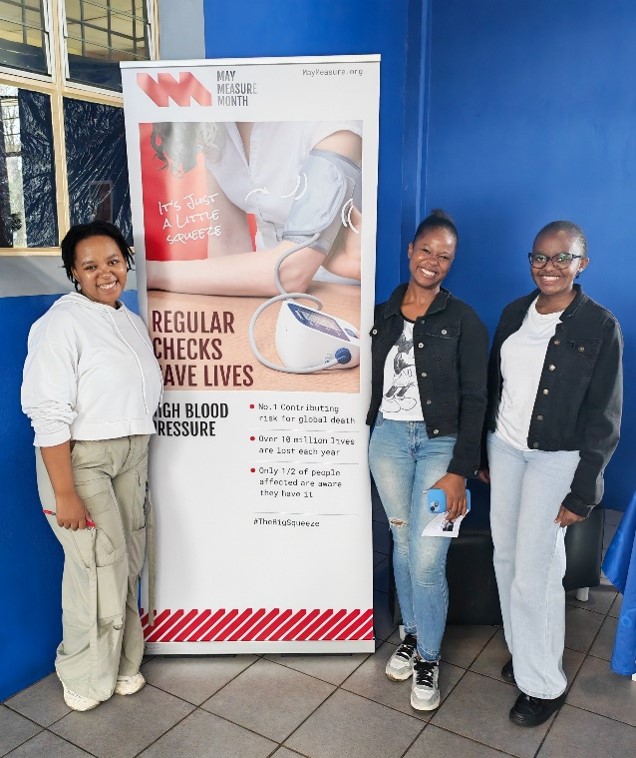 The initiative also highlighted the major lifestyle-related risk factors associated with hypertension in South Africa, including poor nutrition, physical inactivity, obesity, smoking, and excessive alcohol consumption. By focusing on prevention and awareness, the campaign aimed to empower individuals to make informed decisions about their health.
A dedicated team of postgraduate student volunteers and staff from the Department of Physiology played a central role in the campaign’s success. Their participation not only strengthened community outreach efforts but also provided valuable experiential learning opportunities aligned with SMU’s commitment to socially responsive education.
In addition to the screening programme, SMU hosted an online lunch-hour awareness session for staff on 27 May 2026. The event featured presentations by Dr Siluleko Mkhize on hypertension awareness, Dr Tsakani Rasakanya on treatment and management, and Sithabile Mathunjwa on dietary and lifestyle modifications.
Dr van Hoogland-van Heerden noted that collaboration was key to the initiative’s impact. “The support of our postgraduate students, university staff, DGMAH nursing personnel and community participants made this campaign possible. Their commitment reflects a shared responsibility to improve public health and promote healthier communities,” she said.
The success of MMM 2026 reinforces SMU’s growing role in advancing health promotion, community engagement, and preventative healthcare. As a leading health sciences university, SMU continues to contribute to national and global efforts to address non-communicable diseases while strengthening the link between education, research, and improved health outcomes for the communities it serves.
By Tumelo Moila
by Lorato | Jun 11, 2026 | All News, Alumni, SMU Media, Student Media
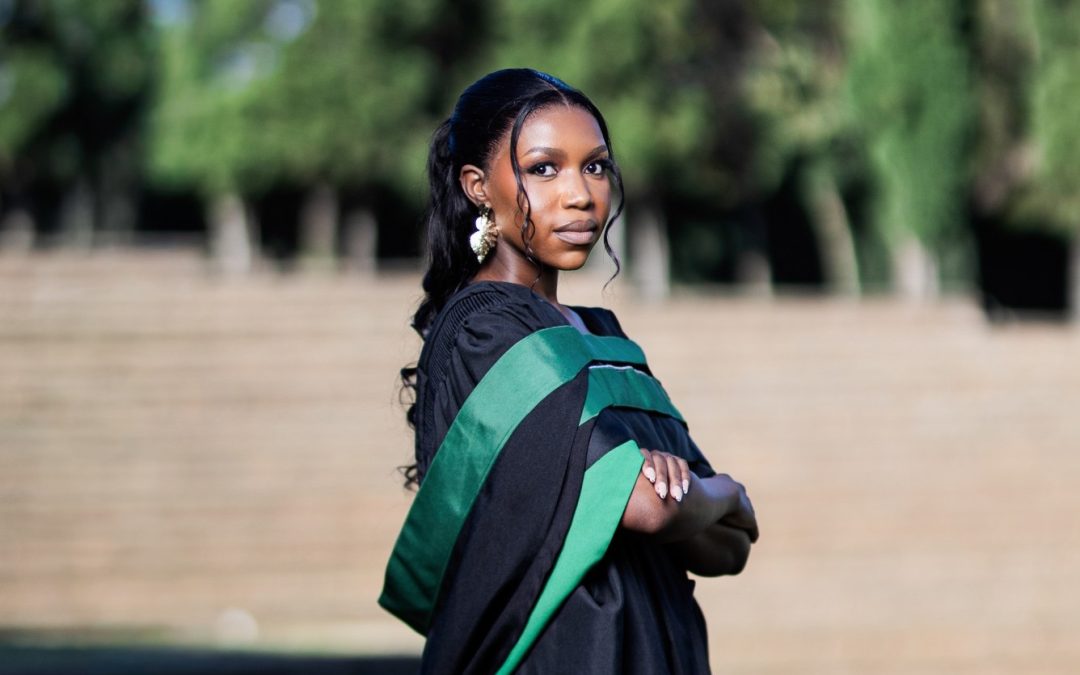
A passion for scientific discovery and a commitment to solving real-world energy challenges have earned Tshedza Rasilingwani a Master of Science in Physics degree cum laude from Sefako Makgatho Health Sciences University (SMU), where her groundbreaking research explored ways to improve the performance and longevity of next-generation solar cells.
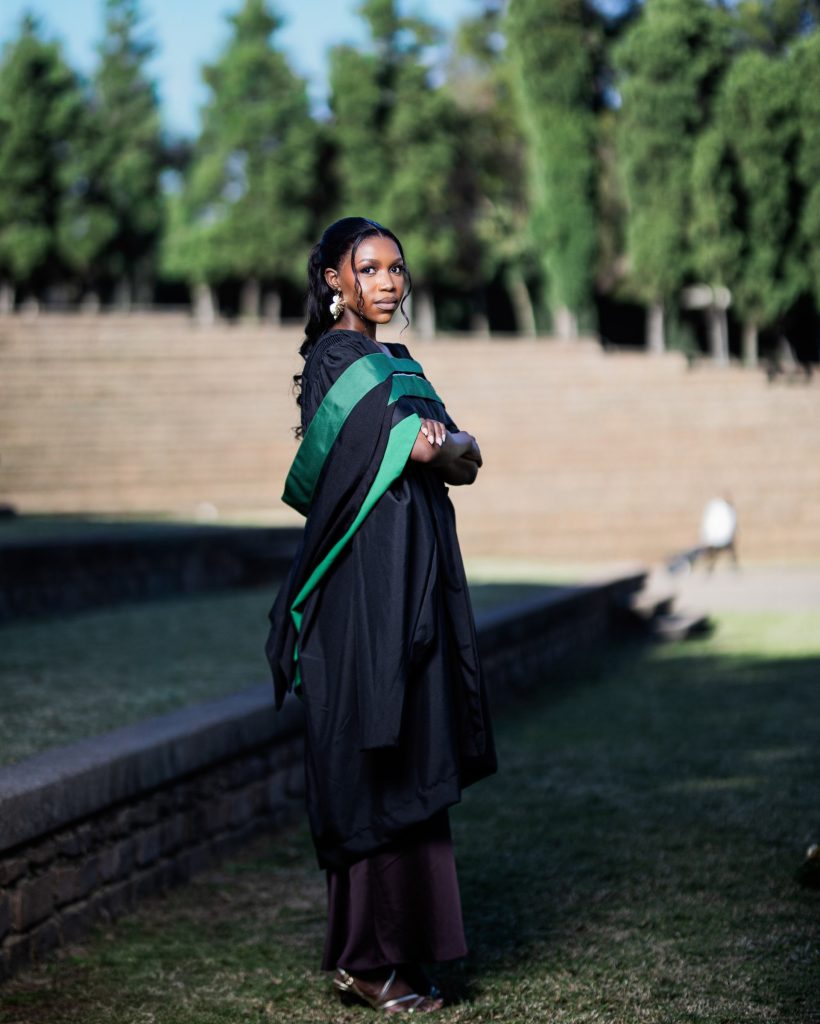 Rasilingwani’s MSc dissertation, titled Thermal stability/degradation of dye-sensitised solar cells with perovskite material, investigated one of the key challenges facing renewable energy technologies: the thermal instability and degradation of solar cells over time. Her research contributes to the growing body of knowledge aimed at improving the efficiency, durability, and commercial viability of solar energy systems.
Conducted through the Department of Physics at SMU, the study focused on dye-sensitised solar cells (DSSCs), a promising alternative to conventional solar technologies due to their relatively low production costs and high power-conversion potential. Despite these advantages, DSSCs continue to face limitations related to thermal degradation, which can significantly reduce their lifespan and performance.
“Renewable energy technologies are essential for addressing global energy demands and environmental challenges,” said Rasilingwani. “My research sought to understand how thermal conditions affect the stability of dye-sensitised solar cells and to identify ways of improving their performance through material optimisation.”
As part of the study, titanium dioxide (TiO₂) was synthesised using the sol-gel method and subjected to different annealing temperatures ranging from 450°C to 1200°C. Advanced analytical techniques, including X-ray diffraction, scanning electron microscopy, transmission electron microscopy, infrared spectroscopy, and photoluminescence analysis, were used to evaluate the structural and optical properties of the material.
The findings revealed that increasing the annealing temperature improved the crystallinity and structural properties of titanium dioxide, making it more suitable for photovoltaic applications. Rasilingwani also fabricated perovskite-sensitised solar cells using titanium dioxide annealed at 600°C and evaluated their performance under simulated solar illumination.
“The results demonstrated that annealing temperature plays a significant role in enhancing the properties of titanium dioxide used in solar cell fabrication,” she explained. “This knowledge could contribute to the development of more stable and efficient photovoltaic devices in the future.”
Beyond her academic achievements, Rasilingwani gained extensive research experience during her postgraduate studies. Through her MSc research, she developed strong competencies in cleaning, transforming, and analysing experimental datasets, identifying patterns and trends, and producing clear visual reports to support scientific interpretation. She also served as a part-time laboratory demonstrator, mentoring undergraduate students, facilitating practical experiments, and contributing to the development of future scientists.
 Her academic journey reflects a consistent record of excellence, having completed a BSc in Physics, followed by a BSc Honours degree in Physics, before progressing to her MSc studies. Throughout her training, she developed strong analytical, problem-solving, communication, and research skills that position her well for a future career in scientific research and innovation.
Rasilingwani said achieving her MSc cum laude serves as motivation to continue contributing to research that addresses pressing societal challenges. “I am passionate about advancing scientific knowledge and developing solutions that can make a meaningful impact,” she said. “This achievement encourages me to pursue further opportunities in research and innovation.”
Her success highlights the growing contribution of SMU graduates to scientific advancement and underscores the university’s commitment to excellence in teaching, learning, and innovative research. Through graduates such as Rasilingwani, SMU continues to strengthen its reputation as a leading health sciences university that produces skilled researchers capable of addressing national and global challenges through science and innovation.
By Tumelo Moila